
Something was very special about the vintage kitchens, and it was much more than mere cooking utensils. Most of the past appliances were durable, creative, and well-designed, offering a more enjoyable experience. When compared to modern appliances, which are preoccupied with time- and convenience-saving features, older products tended to address functionality and craftsmanship in conjunction with an individual touch and character. Since time immemorial, kitchen staples, such as hand-powered implements and elaborate machines, have enabled individuals to make in-cautious meals in the kitchen.
Ice Cream Makers that are not electromechanical.
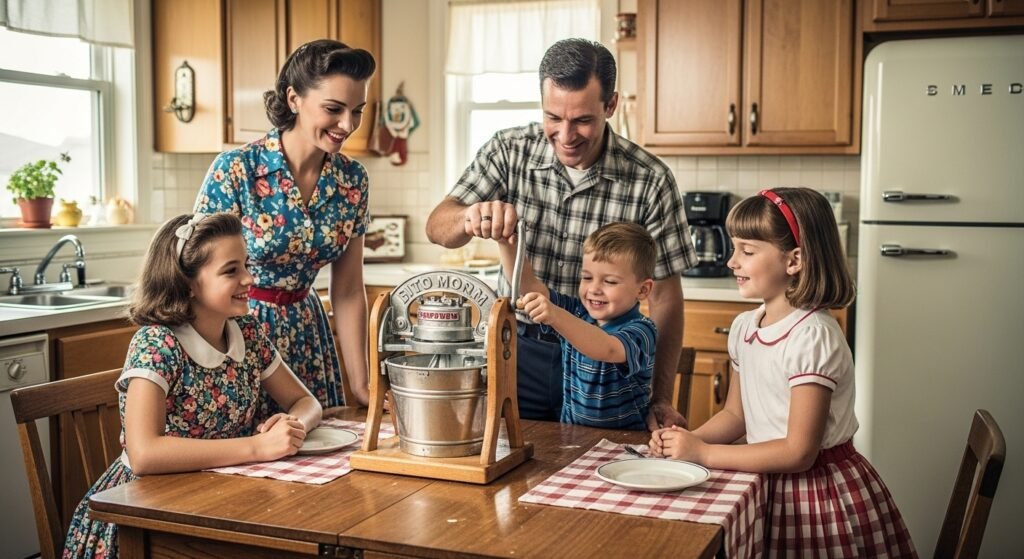
When compact electric machines were yet to be popularized, the hand-cranked ice cream makers were a household favorite. There would be the family getting together and cranking the handle and gradually reducing fresh ingredients into smooth desserts. It was a slow and gradual process, though the accomplishment was personal and satisfying. These machines also promoted teamwork and made the preparation of desserts a part of the job instead of another kitchen task.
Built-In Flour Sifters

Most kitchens of the mid-century had flour sifters built into the cabinetry or counter. Cooks could easily measure and sift flour by a mere turn of the handle as opposed to drawing out an independent measuring gadget. This design made use of space and maintained a clean space in baking. It was a smart attribute that made the baking very easy and put all things together efficiently.
Stove-Top Coffee Percolators
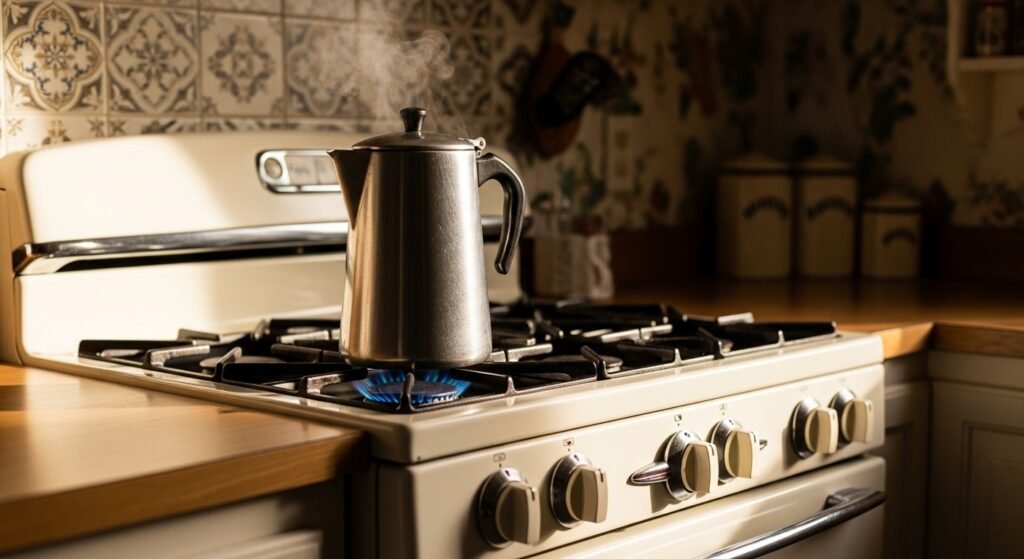
Stove-top percolators were the order of the day long before the trend of modern coffee machines took over kitchens. The coffee grounds were brewed slowly in water and gave out a full flavor to the kitchen. It was also refreshing because it became a relaxing morning routine out of an ordinary drink. The unique bubbling sound, which was used to alert the people that the coffee was almost ready, is something that many people still remember.
Mechanical Egg Beaters
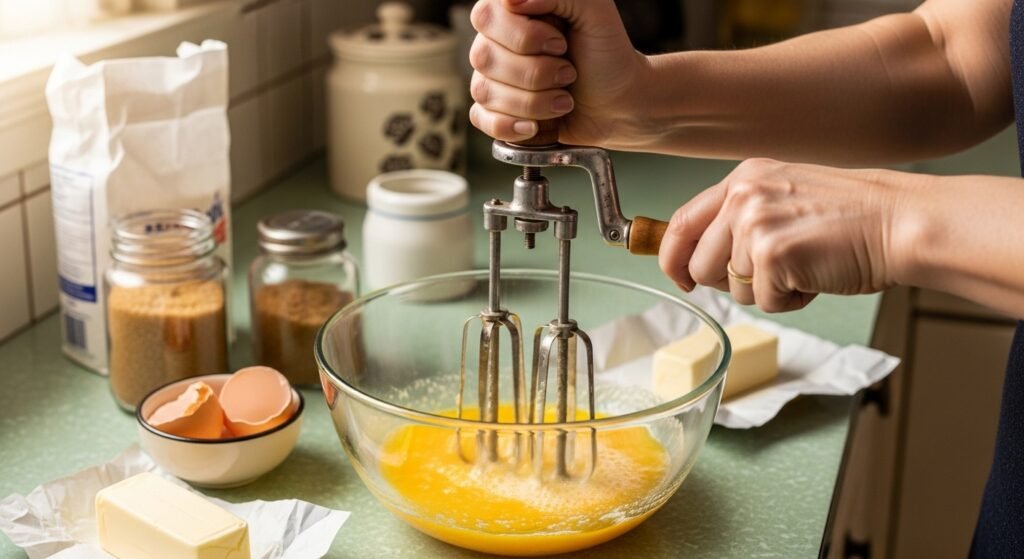
Mechanical egg beaters used to be a necessity in baking and cooking. They were made to whip eggs, cream, and batter, without the use of electricity, with a hand crank. The design was lightweight, thus easy to use, clean, and store. However, despite being very simple, they were the most dependable tools and frequently stayed in the family kitchens for decades.
Countertop Bread Slicers
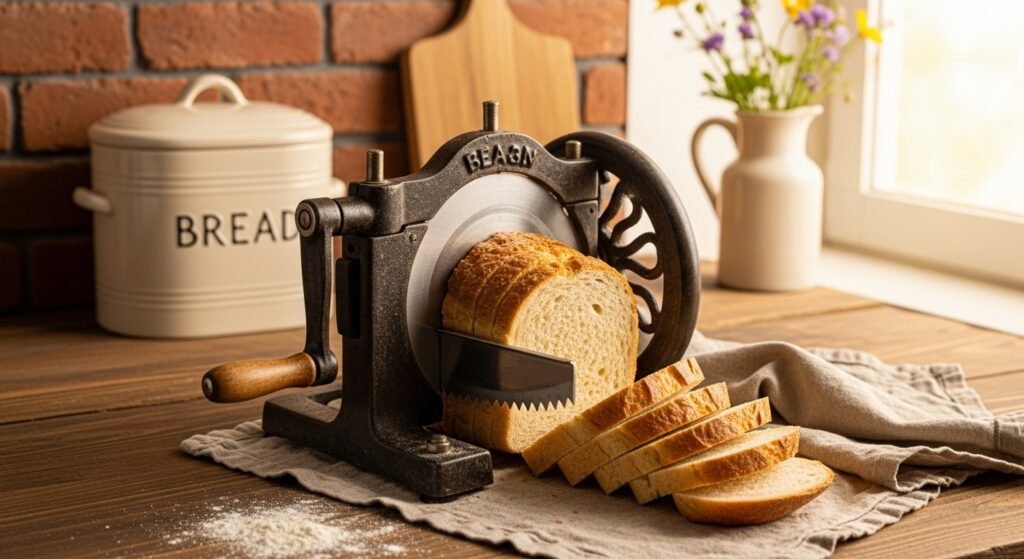
Until pre-sliced bread was commonplace, countertop bread slicers assisted households in getting even cuts. These metal instruments helped a knife move across flawless areas of the sandwiches and toast, making them very convenient. They particularly worked well with freshly baked bread, so that the loaves were unruffled, and the warm interior of self-made bread kept soft.
Electric Food Warmers
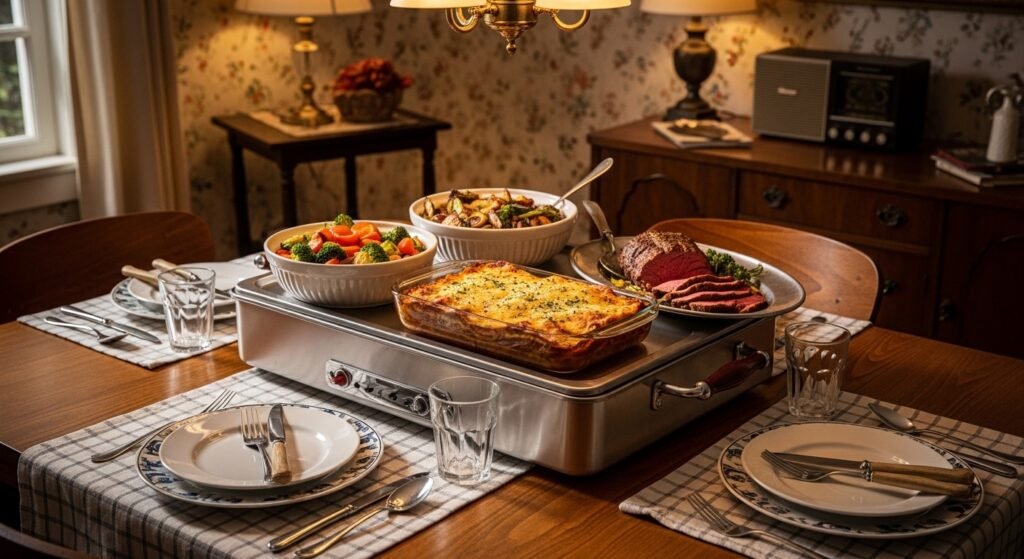
Antique electric food heaters were created with the aim of maintaining serving dishes at the appropriate temperature in various social events. Cookers could use plates or trays on the heat surface instead of reheating the meals over and over again. This machine was particularly needed when having a family dinner or a celebration, so that people could receive hot food without the constant visits to the cooker.
Retro Stand Mixers

Stand mixers developed in the early parts were heavy and sturdy to cope with hard mixing jobs. They were stable motored and their metal construction ensured years of reliable service in the kitchen. In addition to the functional aspect, most of these mixers were painted with bright colors and were sleek in design, and were characterful to kitchen countertops and were therefore functional and stylish.
Built-In Plate Warmers
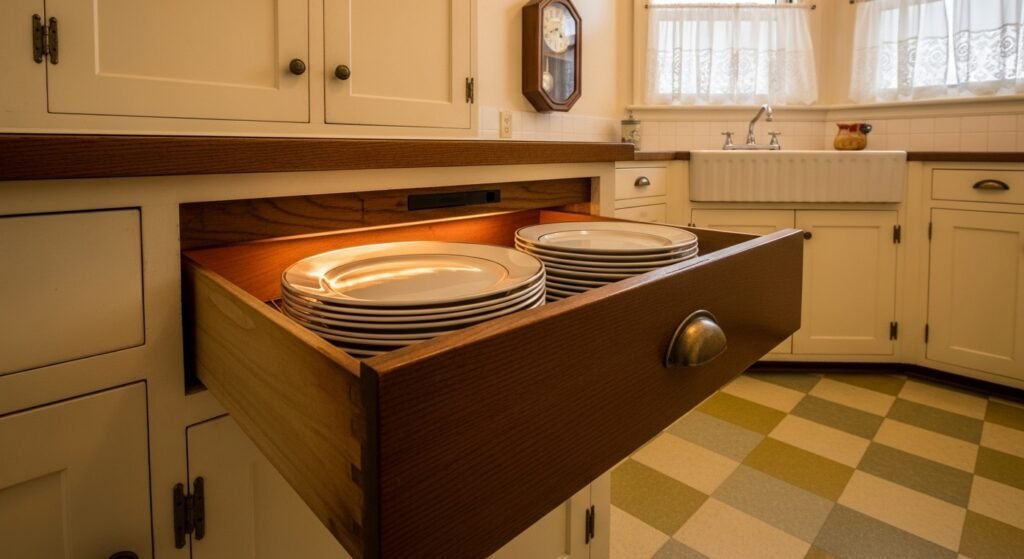
Plate warmers had been a luxury item in numerous old-fashioned kitchens. They could be placed in drawers or cabinets and heated to warm dishes to be served during meals. This minor feature brought a major change, which contributed to dishes remaining longer at a certain temperature and increased the dining process. It demonstrated how careful design was applied even to minor divisions of the preparation of a meal.
Manual Dish Drying Cabinets

There are older kitchen structures that had slotted racks in cabinets located above the sink so that dishes could dry naturally once washed. The water merely dripped into the sink below, and so there was no need for separate drying racks. This clever design did not waste the counter space, and the dishes remained in place and could be used.
Electric Sandwich Presses
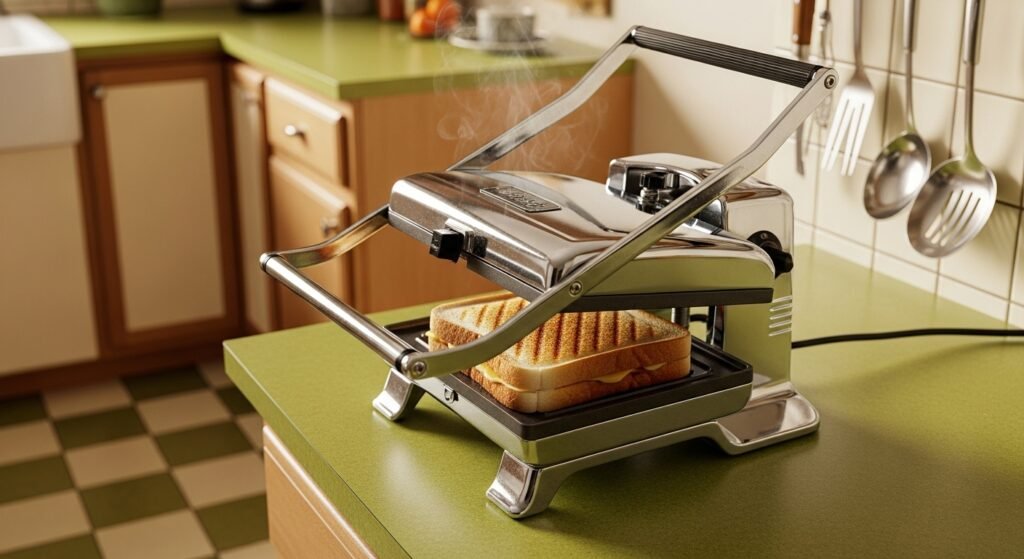
Vintage sandwich presses were crude appliances that made hot, crispy sandwiches fast. They were sturdy and simple to use and clean, with heavy metal plates and simple controls. These presses streamlined lunch time and were very satisfying as they turned average ingredients into a warm toasting meal with very little effort.
