
Imagine that the brain’s part which drives you to pursue success also, secretly, keeps you out of trouble? Motivation is not only a matter of going after the gain but also knowing when to quit, avoid discomfort, or shift direction. Researchers in neuroscience have found out that a tiny but very active area in the brain is responsible for both functions at the same time by mixing the lust for pleasure with the instinct for self-preservation. This amazing overlap gives a clue as to why the decisions we make are often influenced by our desires and our fears equally. Let’s take a closer look at the how the hidden motivation hub works and what it reveals about the forces that guide our daily conduct.
Meet the Striosome: The Motivation Hub
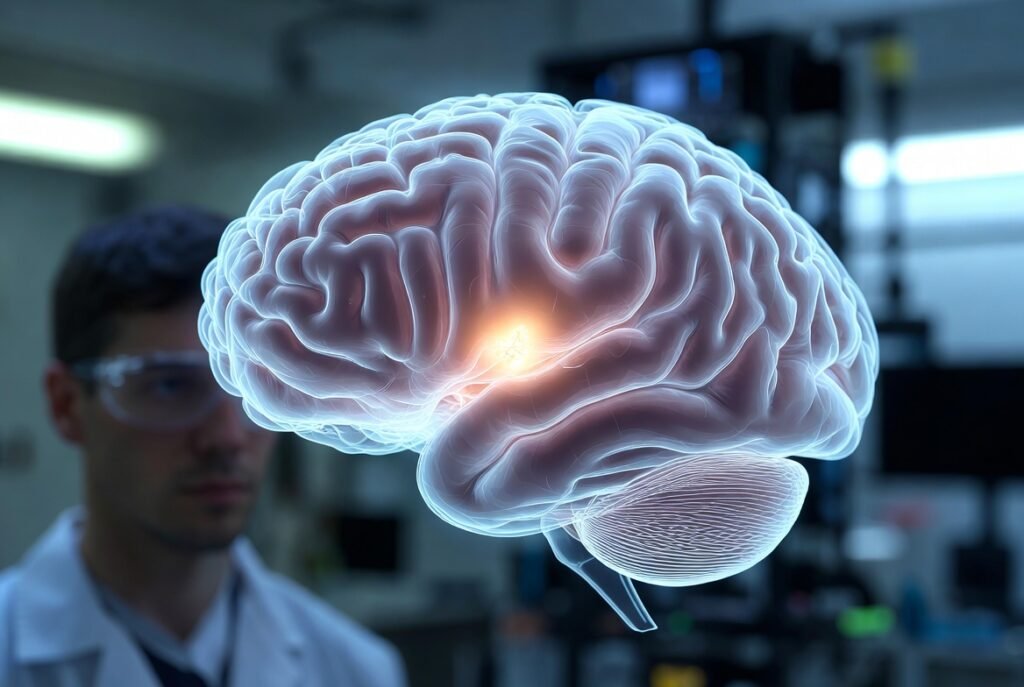
Nestled in the dorsal striatum, the striosome acts like a complex processing center for motivation. Early views pegged it mainly for reward-chasing, but newer work shows it’s way more versatile, handling both positive drives (go get that treat!) and avoidance learning (steer clear of trouble).
Neurons That Do Double Duty

Researchers spotted two types of neurons in the striosome: some fire up for pursuing rewards, while others drive negative reinforcement basically, learning to act in ways that avoid bad outcomes like shocks or air puffs. This dual role means the same region motivates approach and escape behaviors.
From Reward to Punishment Avoidance

In experiments, mice learned tasks where actions led to water rewards or dodged unpleasant puffs. Striosomal neurons lit up for both proving this spot isn’t just about chasing dopamine hits but also about survival instincts to evade harm.
Why It Matters for Mental Health

Impaired motivation processing shows up in conditions like depression (low drive for rewards) or anxiety/addiction (overactive avoidance or pursuit). Understanding striosome function could pinpoint circuits gone wrong, offering clues for better treatments.
Balancing Pleasure and Pain Signals

The brain skilfully employs excitatory (glutamate) and inhibitory (GABA) neurons to modulate responses such as reward-seeking by suppression and punishment-evading by activation. This is a smart method to measure the danger and let us live without the fear of being constantly scared or chased.
Links to Broader Reward Circuits

The striosome has connections with other regions, such as nucleus accumbens and ventral pallidum that are connected with the bigger motivation network driven by dopamine. Disruptions in this network might be one of the explanations for apathy or risky behavior in some people.
Future Insights from Ongoing Research

With advanced tools for mapping these neurons, scientists hope to decode how striosome interactions guide everyday decisions. It might even shed light on why we procrastinate under threat or push through for rewards, super relevant for psychology and beyond.
