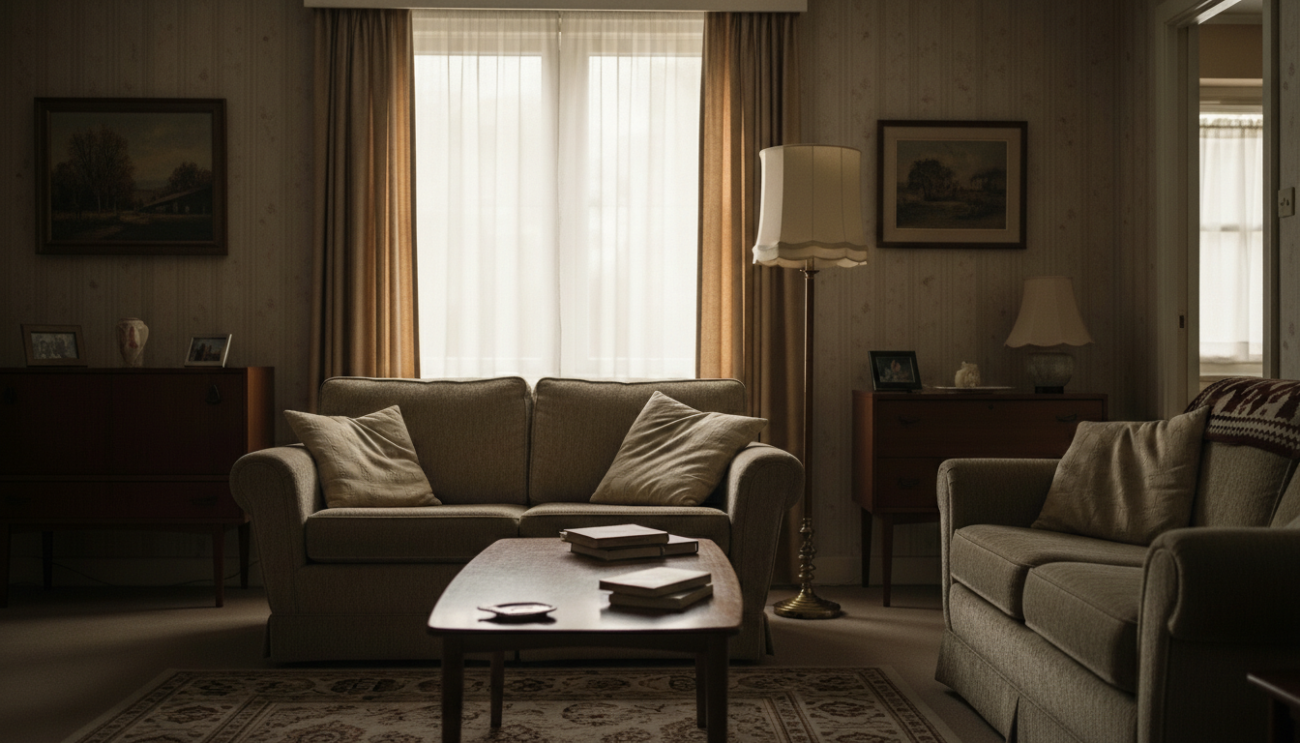
Step inside a household during the eighties, and familiar things fill every room. Not flashy, just useful – things like pots, toys, or a clock on the wall – were part of each day. Now look around, some of those spots stay empty. New gadgets fill the space where blenders once hummed. Life changed without loud announcements about extinction.
Rotary or Corded Landline Telephones
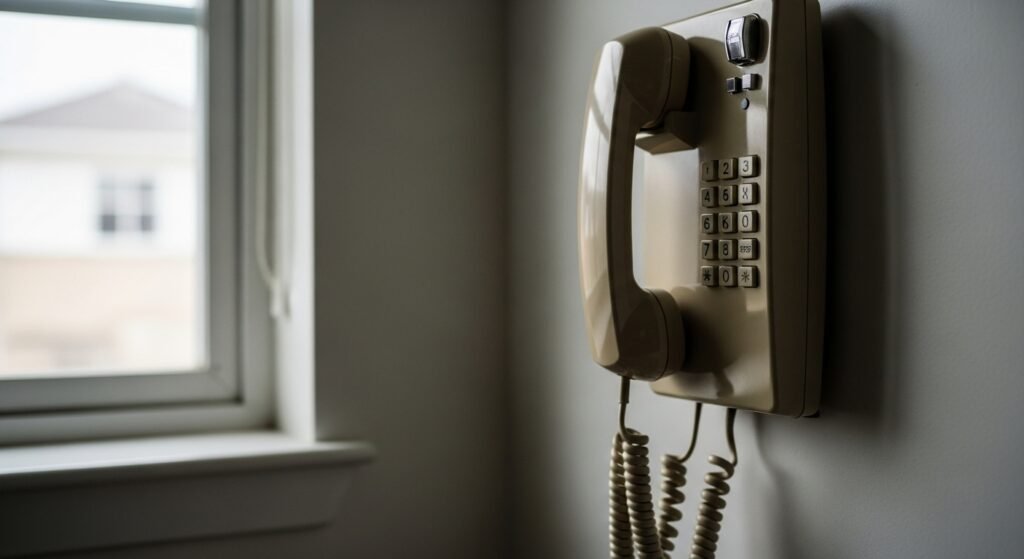
Most houses had a wall-mounted or counter phone, tangled in wires. Sharing meant waiting your turn and coordinating talks to avoid interruptions. For privacy, they needed to time it right or face disputes over who answered first.
Encyclopedias on a Living Room Shelf
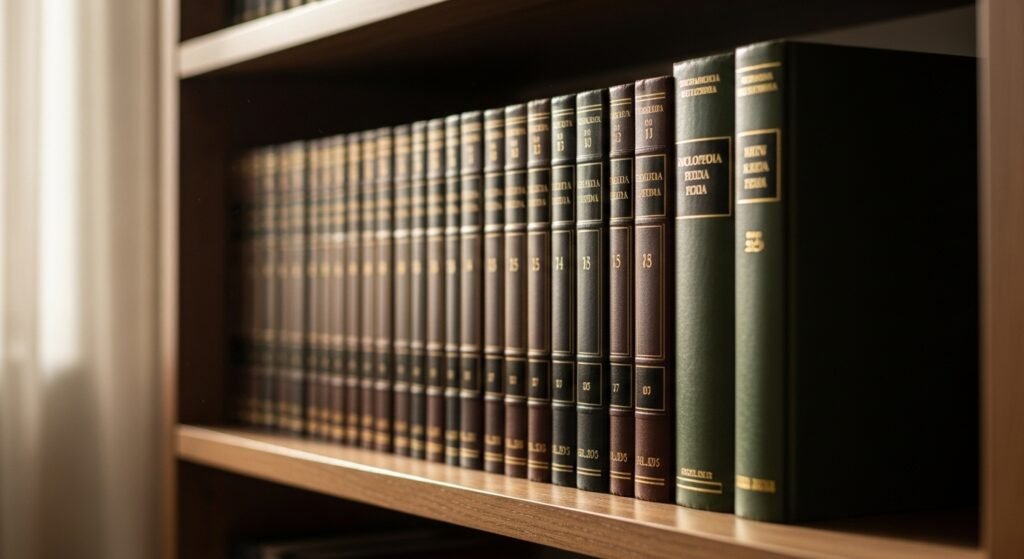
Once prized in every home, thick encyclopedia sets now feel like relics. Back then, kids stacked them tall while working on homework. Grown-ups opened pages just to check what was true. With a click of a button these days, answers appear fast – no shelf space needed.
VHS Tape Collections
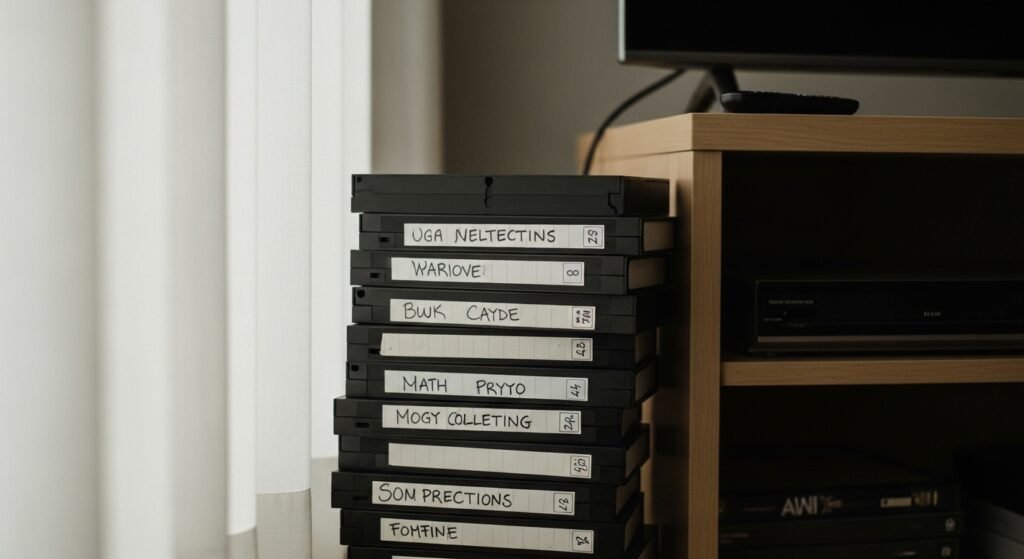
Stacks of thick VHS tapes usually sat around, some marked by hand. Watching movies meant sorting through steps one at a time. Now apps do most of it, leaving stacks of old media tucked away in closets.
Photo Albums Filled With Printed Pictures
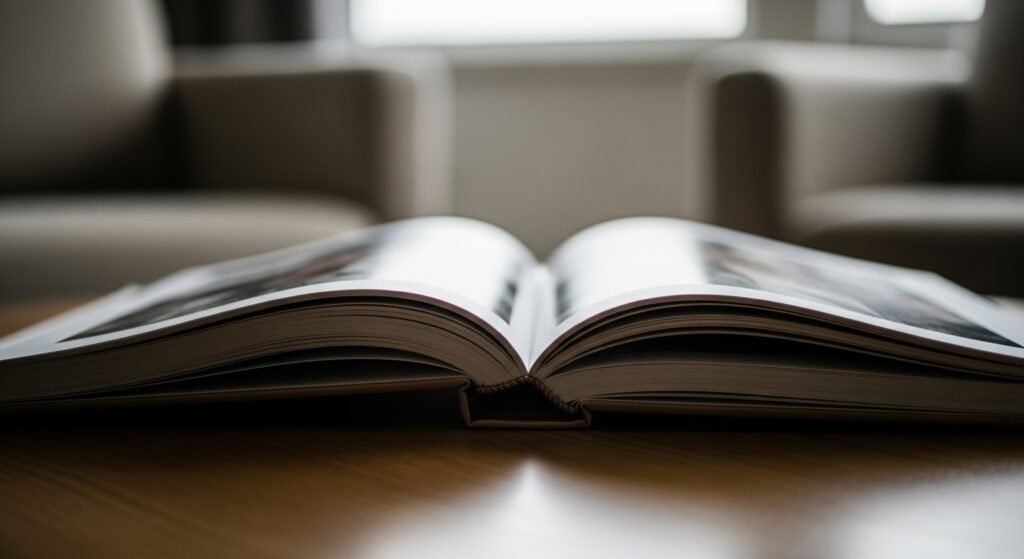
Families kept thick albums full of printed photos, carefully arranged and sometimes labeled with dates. These albums were brought out during gatherings. Today, most family photos live unseen on phones or cloud storage.
Alarm clocks sit ready by each bed.
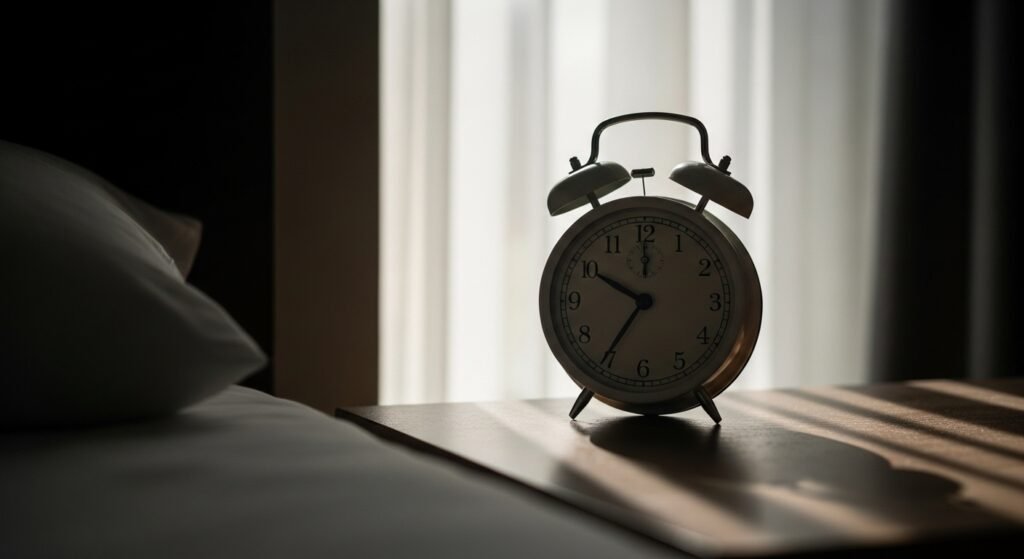
Long before phones took over, real alarm clocks did the job. Back then, households kept plenty of stand-alone models – each making its own noise or standing out in character. These days, mobile gadgets handle wake-up duties far more often than separate gadgets ever did.
Record Players and Vinyl Cabinets
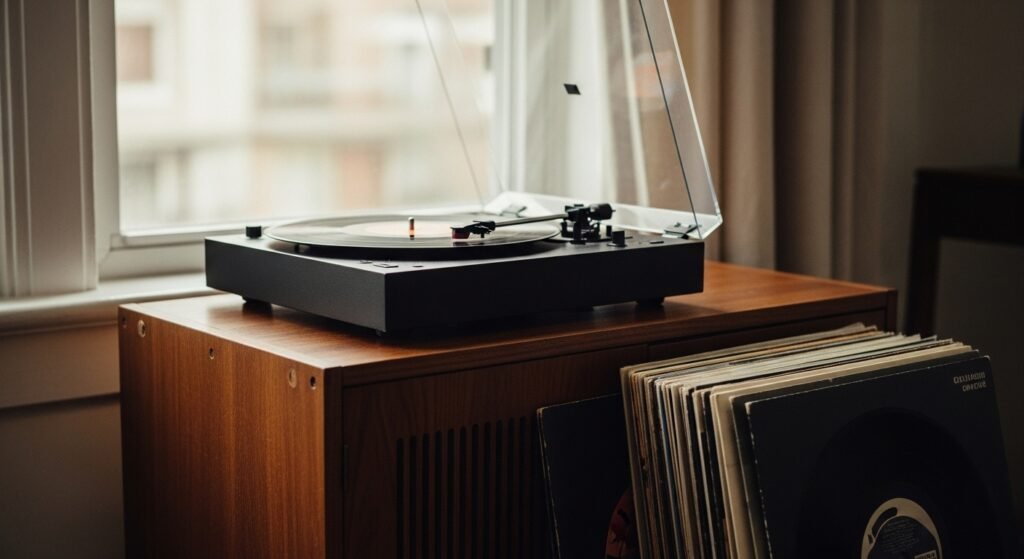
Record players filled many houses, wood cabinets packed with spinning discs. Back then, people listened together in kitchens and hallways, without screens in pockets. Though vinyl now finds some fans, it does not live in most homes today.
Handwritten Address Books
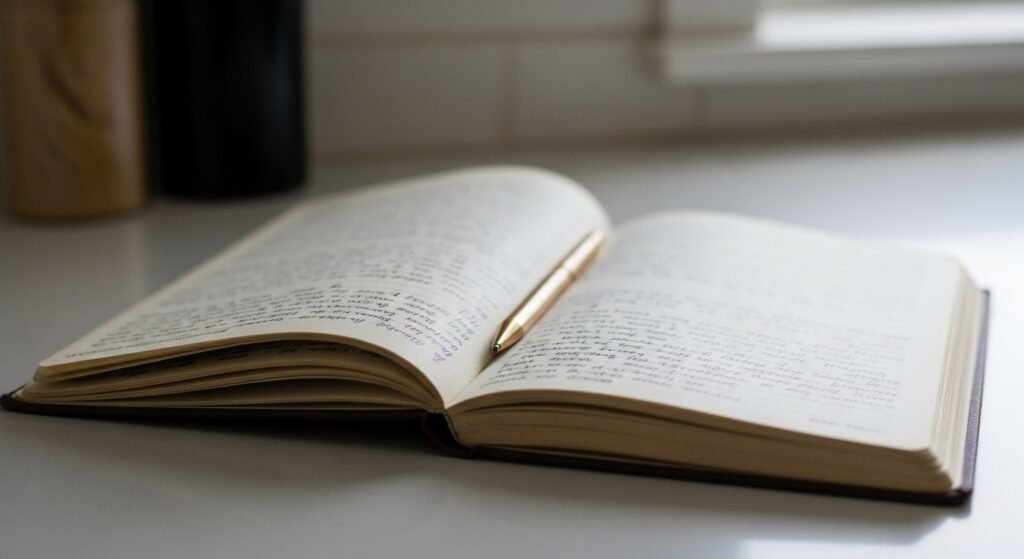
People carried paper pads where phone numbers and postal spots were scribbled by themselves. When someone vanished from that list, it caused real shock. Now those collections sit inside phones and computers, changing on their own without much effort.
Typewriters
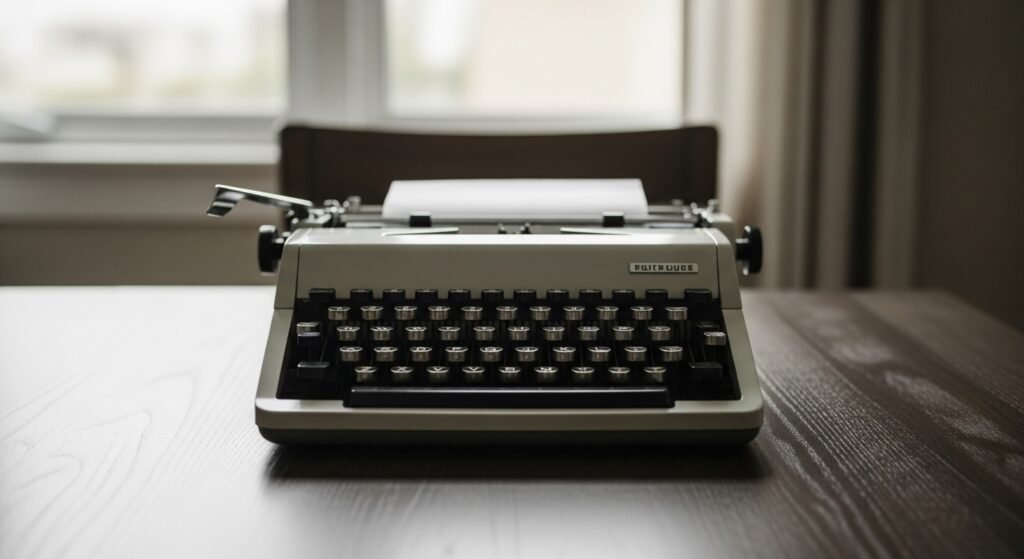
Nowhere was the clack of keys more common than in kitchens after dinner. Machines with rolling ribbons served children writing essays, parents filling tax forms, siblings drafting flyers. Then came devices that hummed on desks, replacing those noisy tools without warning.
Television Guides or Printed Schedules
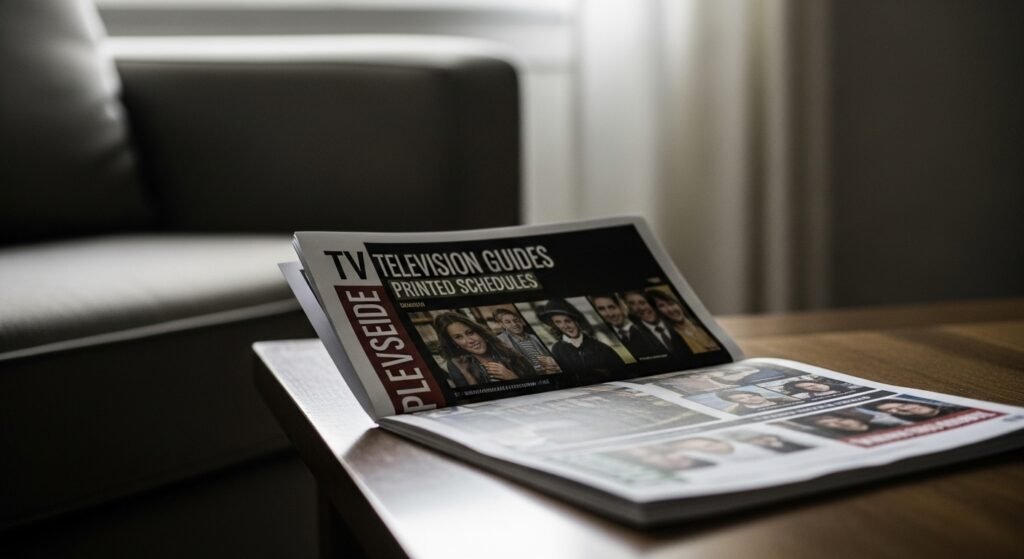
Long before streaming took off, people used paper TV schedules or checked newspapers for what was on. Showing up meant paying attention to air times because missing meant waiting. Now, nobody always agrees on when to watch.
Answering Machines
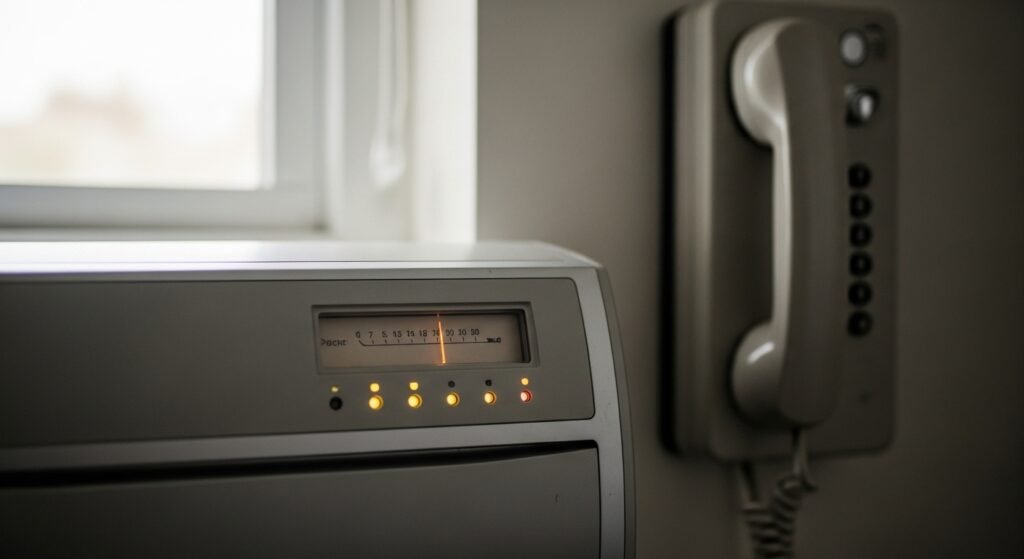
Over by the wall, phones shared space with beeping answer machines – small, lit up with red. People took turns hearing notes, sometimes scrubing them clean. Now those roles fall to voicemail, texts slipping through silence instead.
Film Cameras
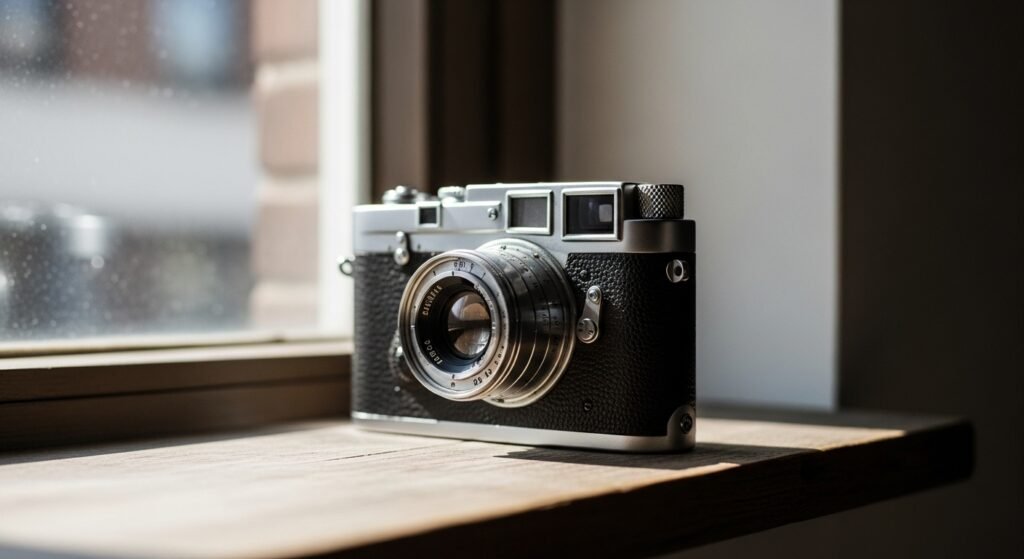
Out here, camera clubs still gather around film gear – each shot adds up fast when you need to send it off. Seeing results often meant waiting longer than expected. These days, most homes barely keep a film camera around – screens do the work now.
Rolodexes
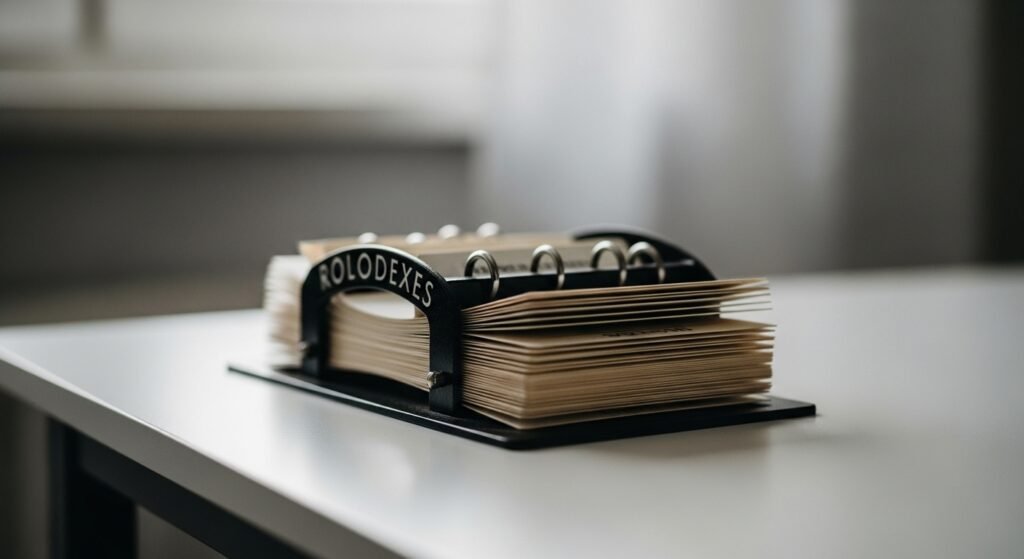
By the desk, under a lamp, card trays neatly listed coworkers and neighbors for after-hours help. You could find them in the kitchen too, tucked beside jars or magnets. Most people ignore them now since phone apps do the same job more efficiently and don’t occupy counter space.
Clock Radios
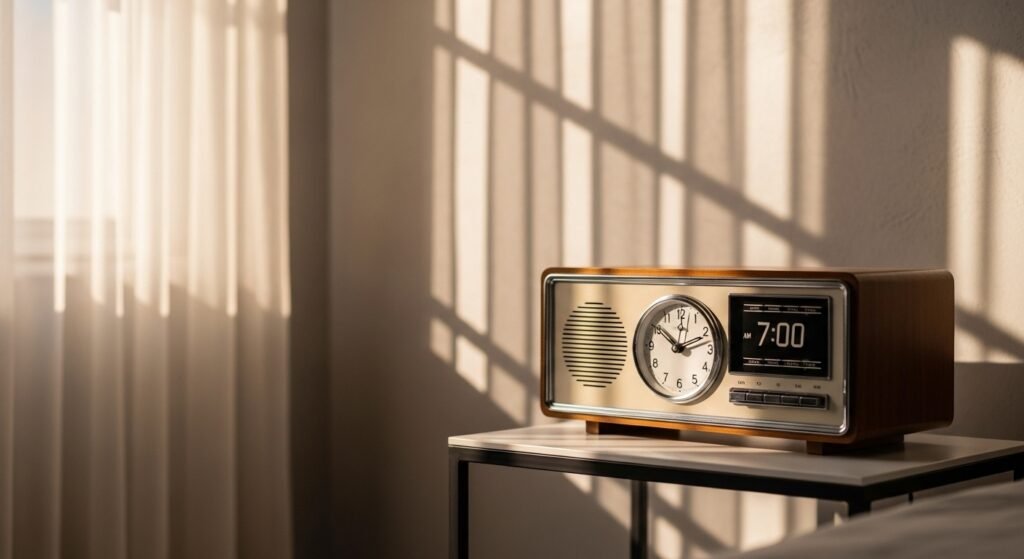
Some homes started each morning to the sound of radio voices. Clocks played music while also guiding daily rhythms. Now, phones and voice assistants do most of what those old gadgets used to handle.
Paper Calendars With Notes
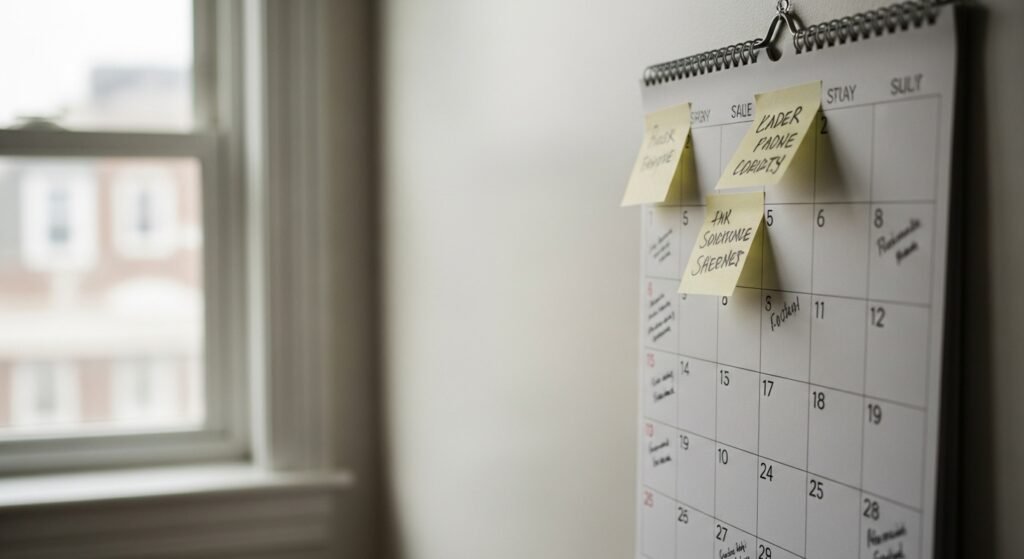
A corner desk holds an old grid calendar, pages cracked from use, where Mom once blocked vacation time. Appointments were scrawled in red ink and shared at dinner every night. Back then, one schedule ruled the household. These days, most people keep their plans locked behind phone screens.
Physical Map Books
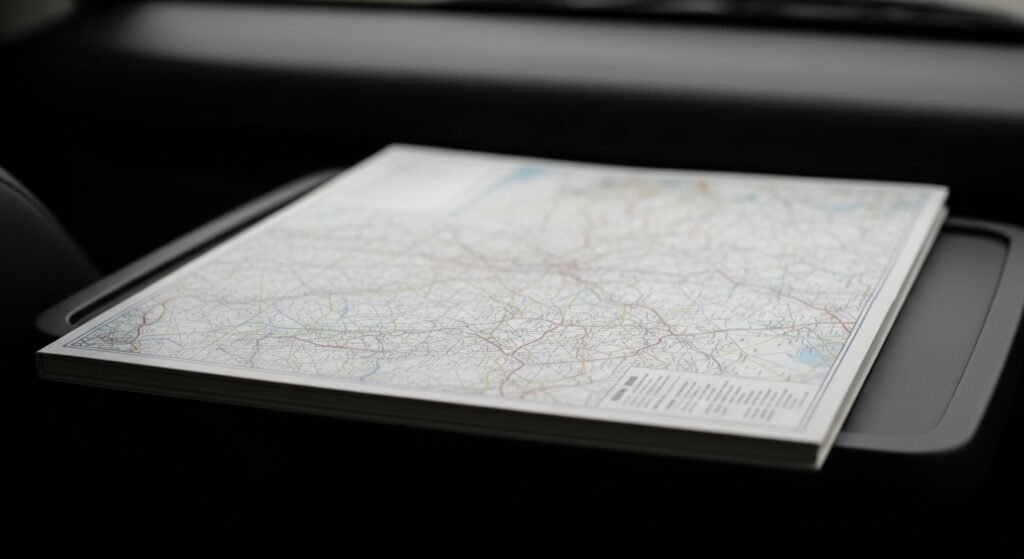
Folding road guides once filled backseats, sometimes replaced by bulky atlases. Being unsure where to go actually added fun. Now screens glow inside windshields, pushing real paper maps into storage silence.
