
Language is more than a tool for communication. It carries history, emotions, and identity within it. The words we choose reflect who we are, where we come from, and how we connect with others. Across cultures and generations, language has always played a central role in bringing people together, shaping relationships, and creating shared meaning.
Language as a Carrier of Culture
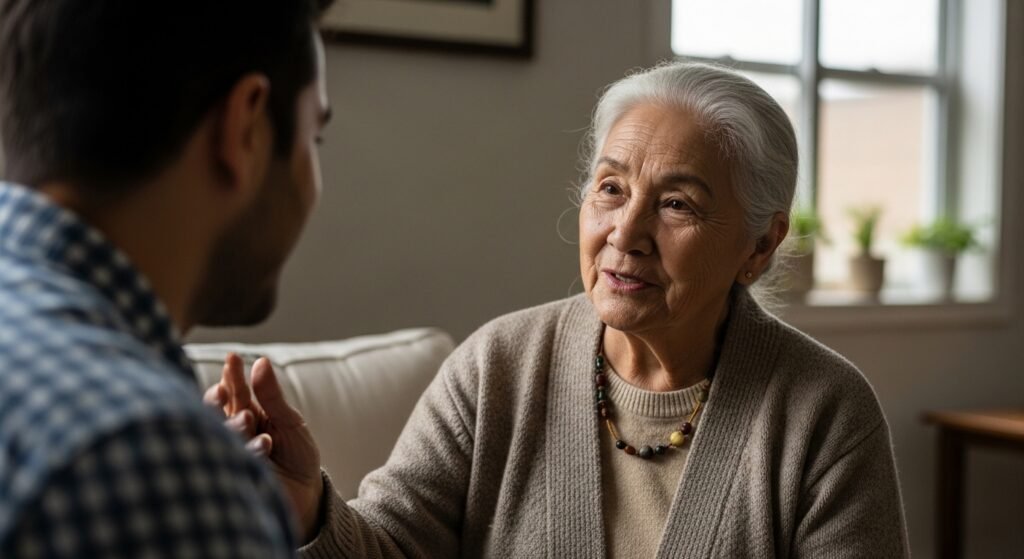
Every language holds the values and traditions of the people who speak it. Idioms, expressions, and sayings often reveal how a culture views family, time, respect, and emotions. Through language, cultural knowledge is passed down without needing formal lessons.
Words Shape How We See the World

Language influences perception. The words available to describe emotions or experiences affect how we understand them. Different cultures emphasize different concepts, shaping how people interpret reality and interact with their surroundings.
Shared Language Builds Belonging

Speaking the same language creates an immediate sense of connection. It allows people to feel understood and included. Even accents or regional phrases can spark familiarity and warmth between strangers.
Language Preserves Identity

For many communities, language is tied closely to identity. Losing a language can feel like losing a part of oneself. Preserving native languages helps protect cultural roots and strengthens personal and collective identity.
Stories Connect Generation
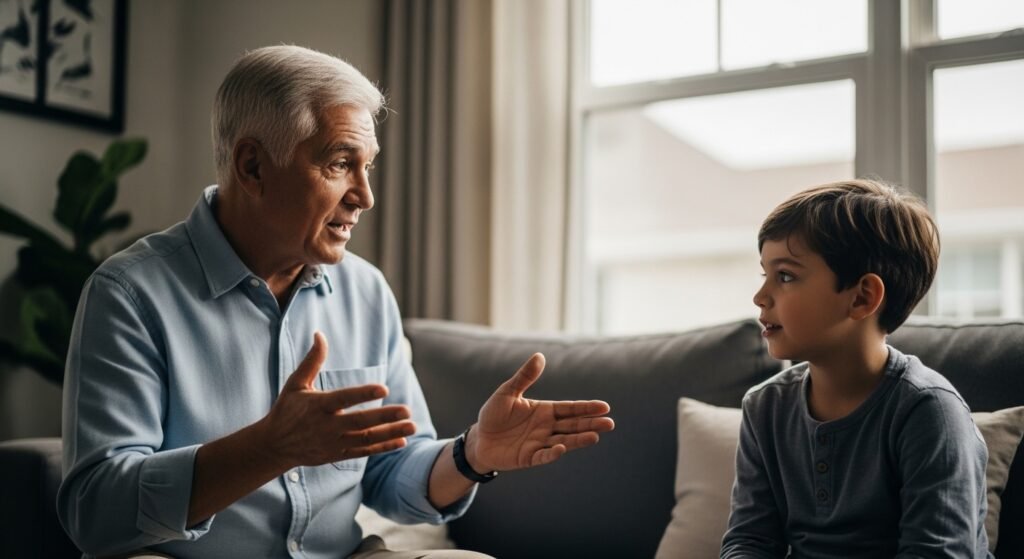
Storytelling relies on language to bridge generations. Through stories, elders share experiences, wisdom, and history. These narratives help younger generations understand where they come from and what values matter most.
Language and Emotional Expression

Words allow us to name our feelings. When emotions are expressed clearly, understanding deepens. Language gives people the ability to comfort, support, and empathize, strengthening emotional bonds.
Learning New Languages Expands Empathy

Learning another language opens the door to understanding different cultures. It teaches patience, humility, and respect. Through language learning, people often develop deeper empathy for perspectives different from their own.
Language Evolves With Society

Language is not static. New words emerge as society changes. This evolution reflects shifting values, technologies, and social awareness. Shared language growth helps communities adapt together.
Miscommunication Highlights the Power of Words

When words fail, misunderstandings arise. These moments remind us of how powerful language is. Careful listening and thoughtful expression can repair connections and rebuild trust.
Words Create Shared Human Experience

Despite cultural differences, language allows people to share joy, grief, hope, and love. Through conversation, writing, and expression, words connect human experiences across borders and backgrounds.
