Cultural practices usually have a practical motive, and they are influenced by the needs and technology of their time. However, over the years, there have been various routines that are still maintained due to tradition instead of being useful. Back in the United States, there are a number of daily routines that previously used to be logical that no longer seem to be with the changing times in the form of lifestyles, work environments, and communication patterns. While these behaviours aren’t new, they were directly correlated with contemporary values of convenience, sustainability, work-life balance and personal productivity. Knowing the trends, people will reconsider habits, invest less and less time in unnecessary actions and welcome smarter living. The following eleven habits of the Americans are no longer very compatible with the current requirements and expectations.
Writing Paper Checks
However, paper checks are still used in most locations, but electronic payments are quicker, safer and more traceable. Mobile banking and instant transfer remove time wastage, less form filling and enhance clarity in finances among both households and businesses.
Carrying Large Wallets
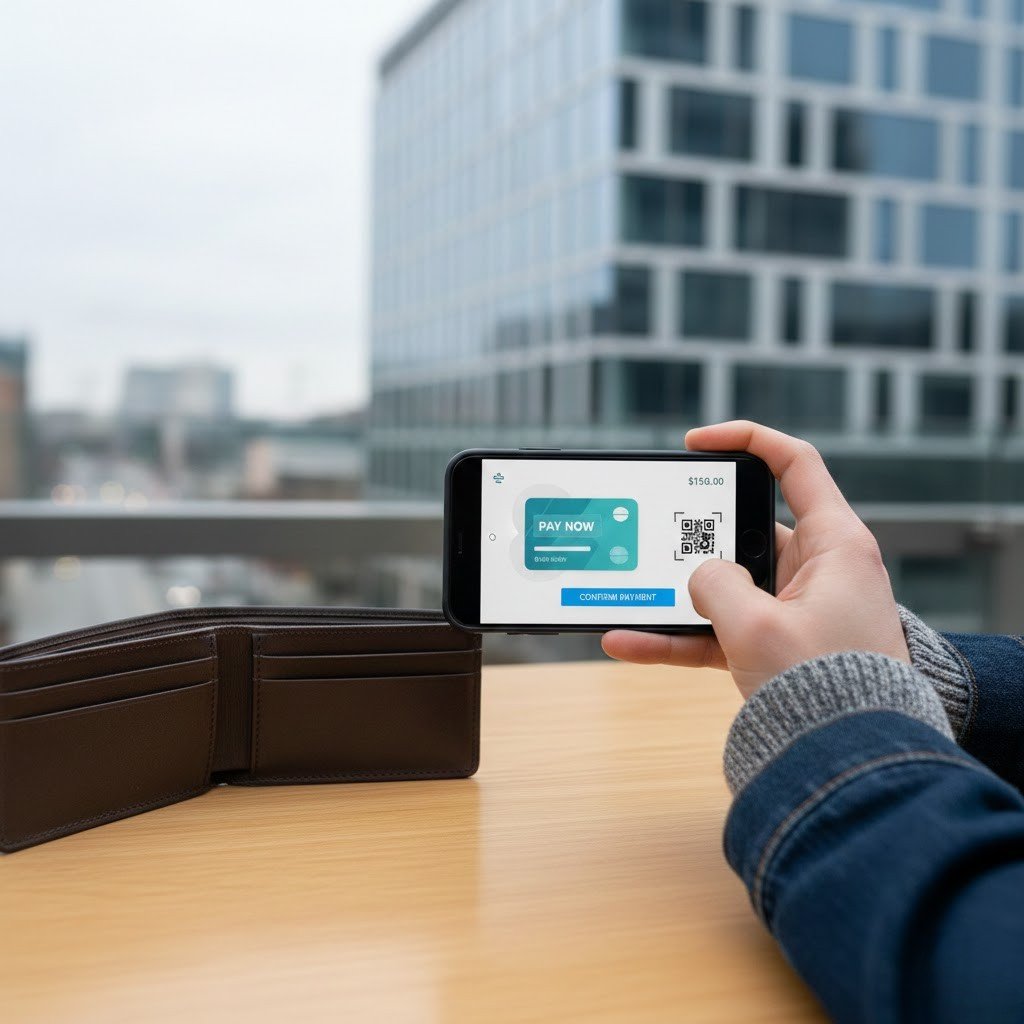
In past times, cards, receipts and cash used to be placed in bulky wallets. Now there are mobile payment applications and electronic IDs, which will lessen the necessity of storing physical wallets, and phone-based applications are more convenient and comfortable.
Traditional Cable Subscriptions

In the past, cable television was the sole source of entertainment at home. Streaming sites have become more flexible in viewing, customised in content and more accessible across platforms, thus long-term cable contracts are not as attractive to many homes as they used to be.
Printing Important Documents
The papers were of significance and were normally printed and stored. Cloud storage, encrypted mail and digital signatures are much faster, superior back-up and easier to organise without the mess of the real files.
Daily Commuting to Offices

Remote and hybrid work arrangements enable workers to be effectively employed from their residences. This saves time on travelling, cash on transport and environmental effects and enhances individual timetables and productivity as well.
Paper Receipts for Every Purchase
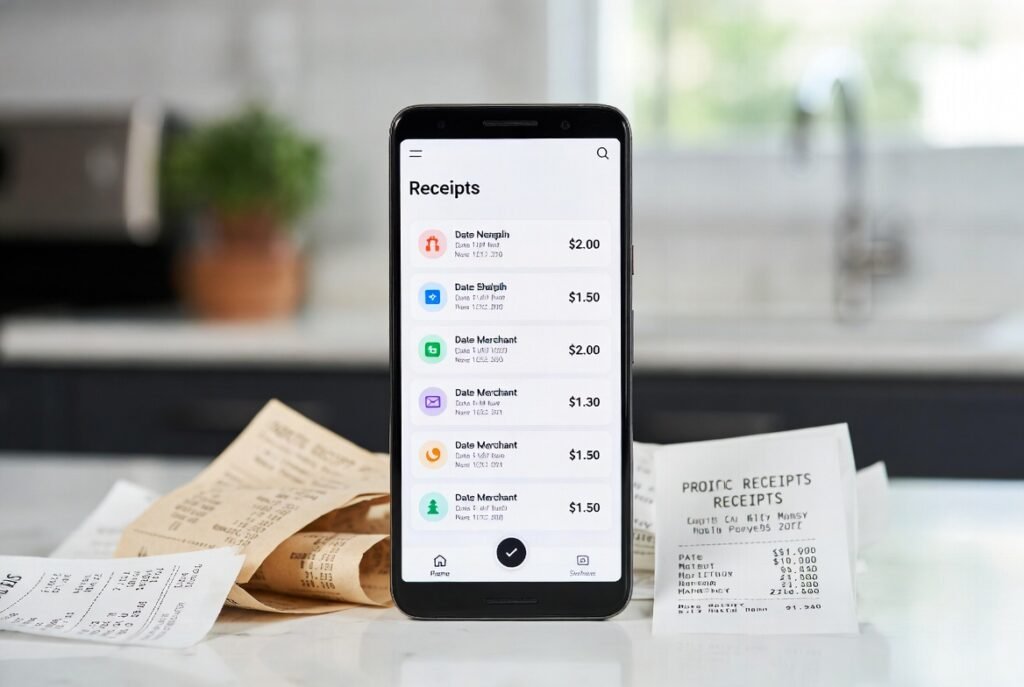
Paper receipts are lost, tattered, and worn. The benefits of digital receipts are long-term records, waste reduction and ease in tracking expenses in personal budgeting and professional reporting purposes.
Manual Bill Payments
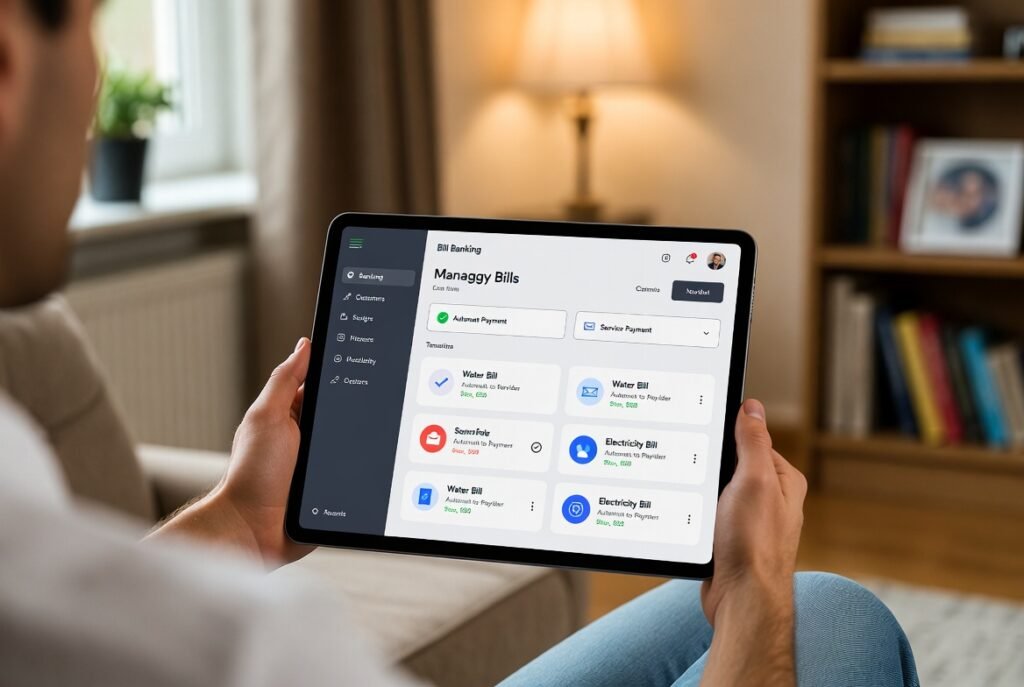
Checks sent by mail and payment centres will need extra effort. The internet-based bill payment systems have features of automatic reminder, real-time confirmation, and improvement in managing monthly payments.
Using Physical Maps
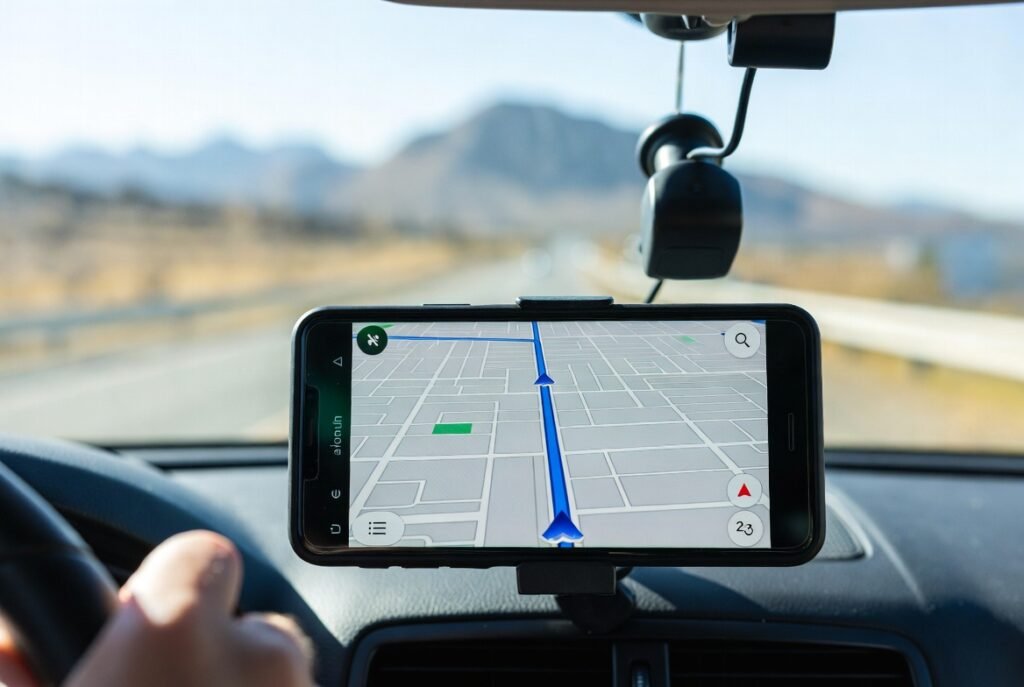
Every road trip used to be directed by printed maps. GPS navigation has become available with real-time route directions, traffic updates, and other features that have made travelling safer and efficient.
Storing Media on Discs
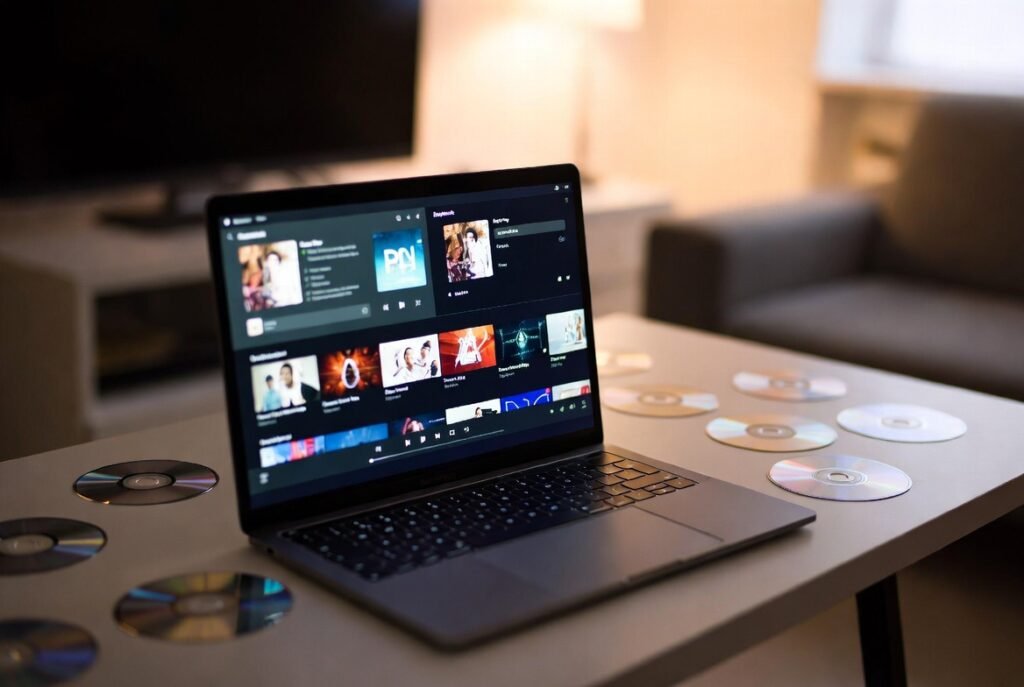
CDs and DVDs used to be a necessity in entertainment and the storage of data. Cloud systems and streaming services are now also much faster, more portable, and less storage-intensive.
Filing Paper Tax Returns
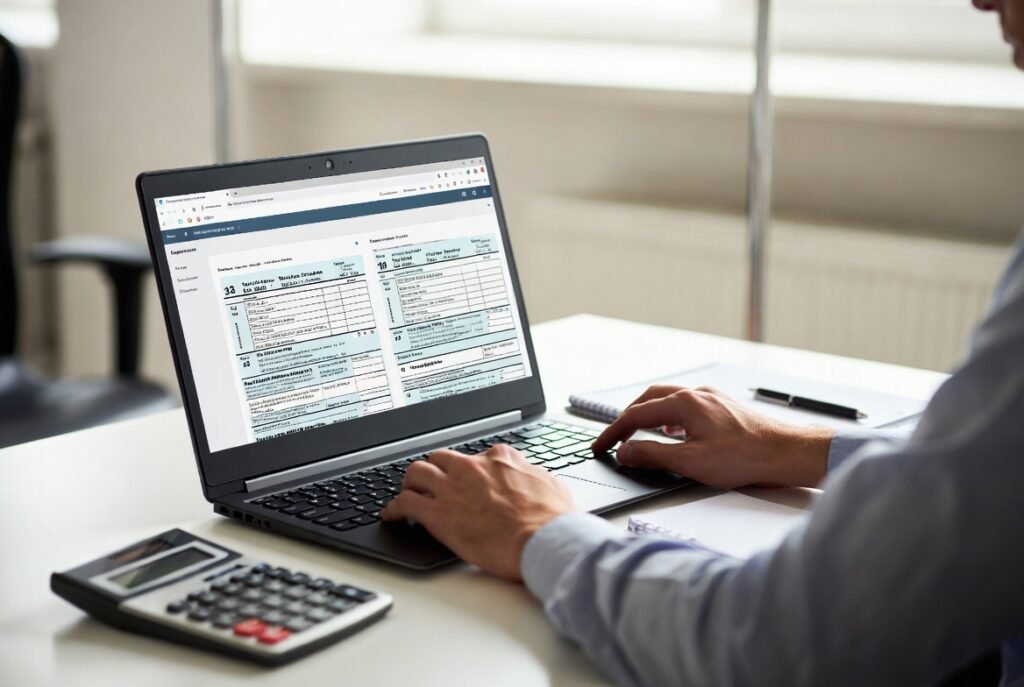
Tax forms are in paper form, and they need to be filled out manually and mailed. Electronic filing systems are faster processed with built-in checking features and secure storage of records.
Waiting on Hold for Customer Support
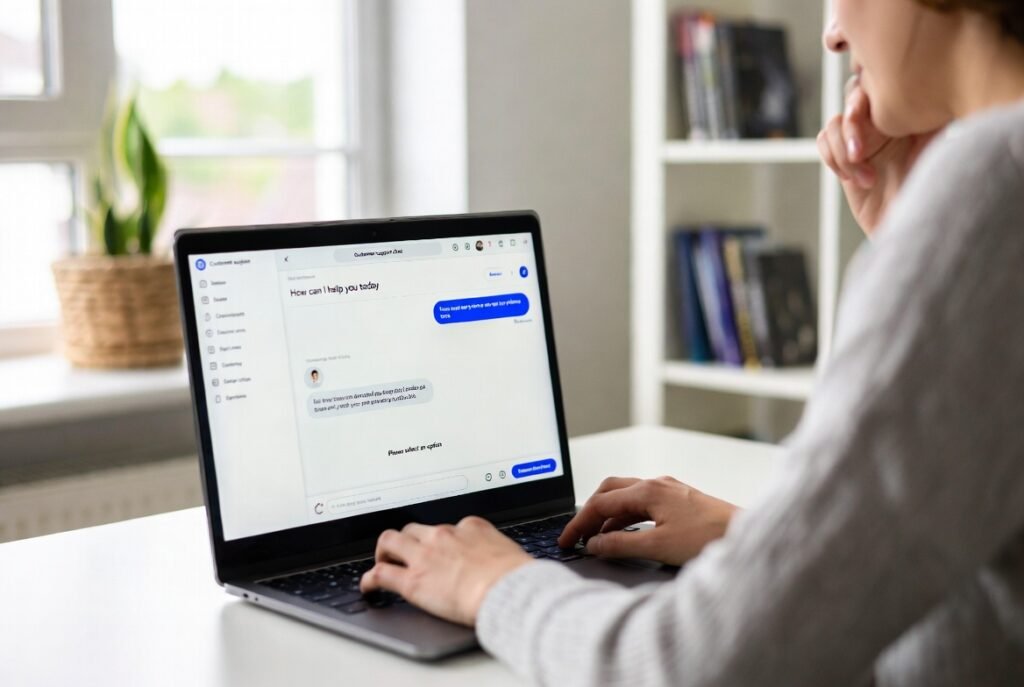
It used to be only long phone queues as an option for assistance. Quicker solutions and more convenient communication are now available on online chat systems, self-service portals, and automated ticketing.
