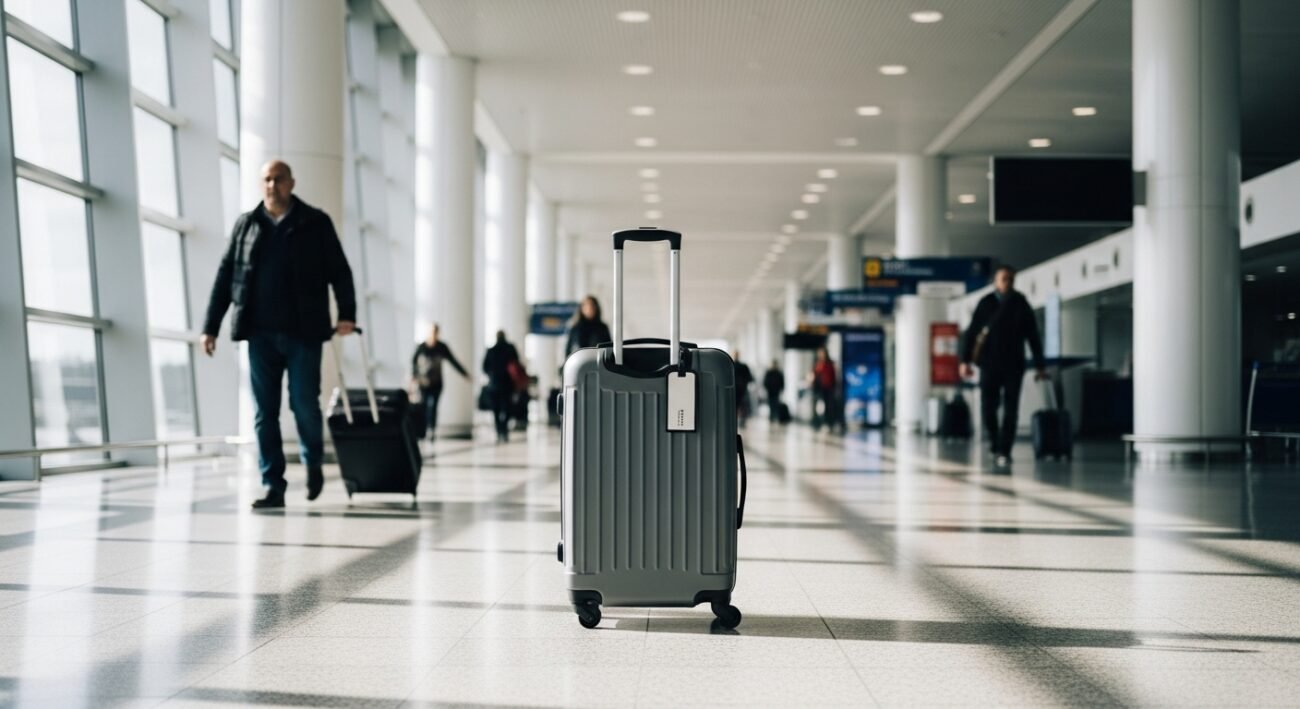
A closer look reveals how much a luggage tag matters when traveling. This little item holds power – sending lost suitcases back home or sending them off course forever. Pick one carelessly, and confusion follows, along with missed flights and awkward moments waiting at counters. Here are the biggest mistakes travelers should avoid.
Including Too Much Personal Information

Some visitors put their whole address, contact details, or online emails on luggage tags. That means personal facts end up in public view. Instead, using just basic info keeps things tighter. Bags can still find their way back without sharing too much.
Picking tags that fit right in

Every now and then, a plain black or brown tag vanishes among piles of messy luggage. If too many bags share the same look, confusion takes hold fast. A tag standing out – bold color, odd shape – makes your case catch eyes right away.
Ignoring Durability
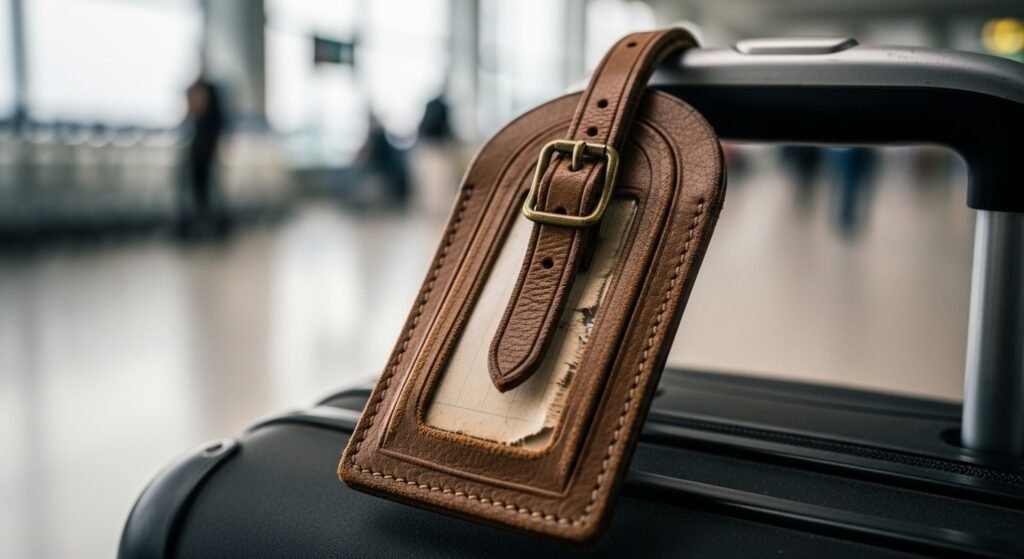
A single thin tag might seem tidy yet it frequently rips or breaks when moved around. If the tag handling gets messy, damage spreads fast across fragile ones. Tougher builds keep details stuck securely no matter the shift in process.
Using Hard-to-Read Fonts or Writing

A fancy script might seem elegant, yet it often slows down workers at the airport who need to scan fast. When letters stay too small or tricky to follow, mistakes happen – details get mixed up when they should be clear.
Picking Tags Without Secure Closures
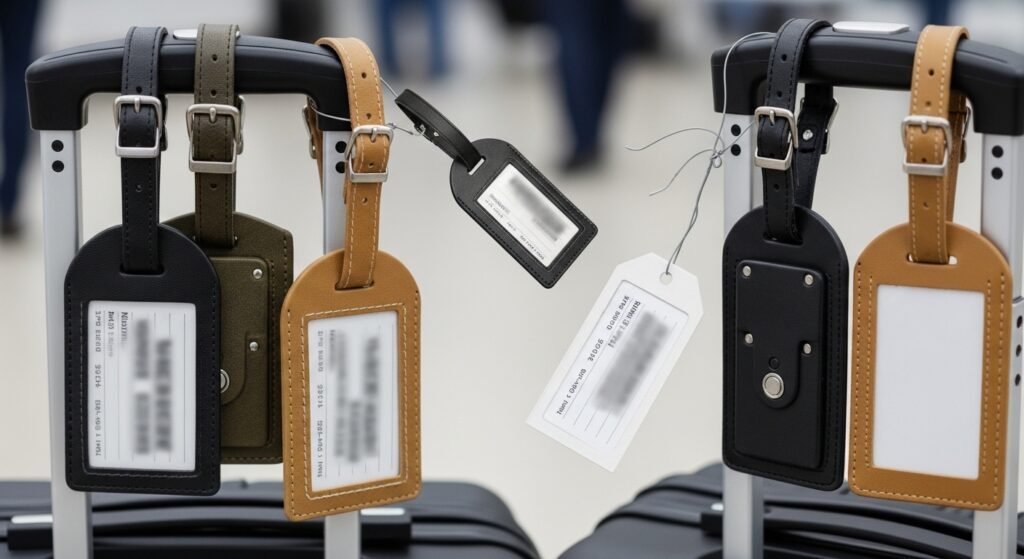
Luggage tags sometimes rely shaky clips or thin wires – these might slip free while you’re en route. When a tag vanishes, so does your name on the hotel list. Tags built to stay put often tie on tightly or seal shut with small locks, making them harder to shake loose en route.
Overlooking Privacy Covers

When tags reveal too much in crowded airports, something quiet happens. A small tool steps in – not to block information but to guard it. Workers peel back the cover only if required, then reseal what belongs beneath. Onlookers see movement, not names, distance becoming a shield.
Choosing Style Over Function
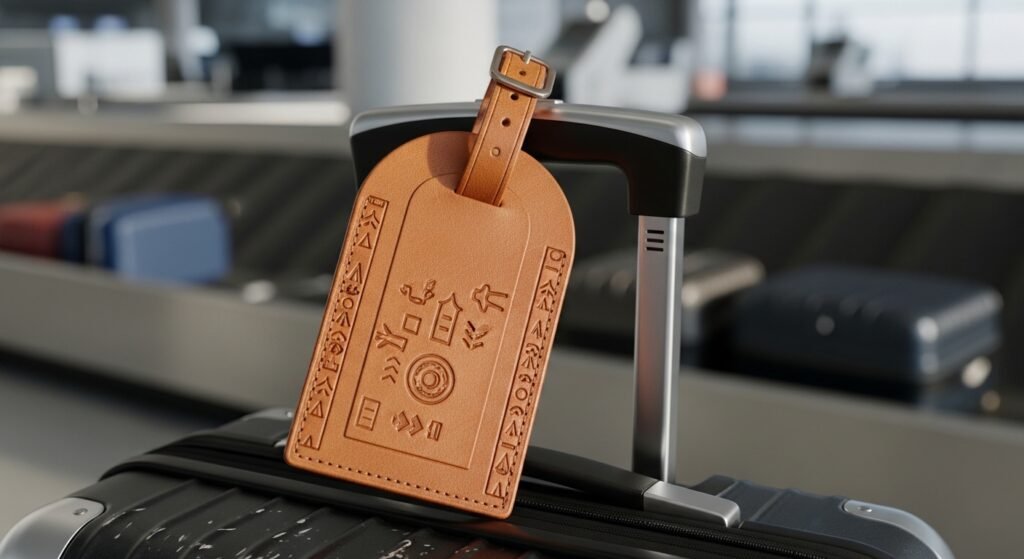
Sometimes it’s hard to get decorative tags through tight spaces because bulky shapes or jagged edges catch on moving parts. Even if something looks nice, getting along well with machinery is more important than looking trendy. Flat ones fit easier when things move around. Shape matters less if it does not bump into walls or slow down flow.
Forgetting to Update Old Information
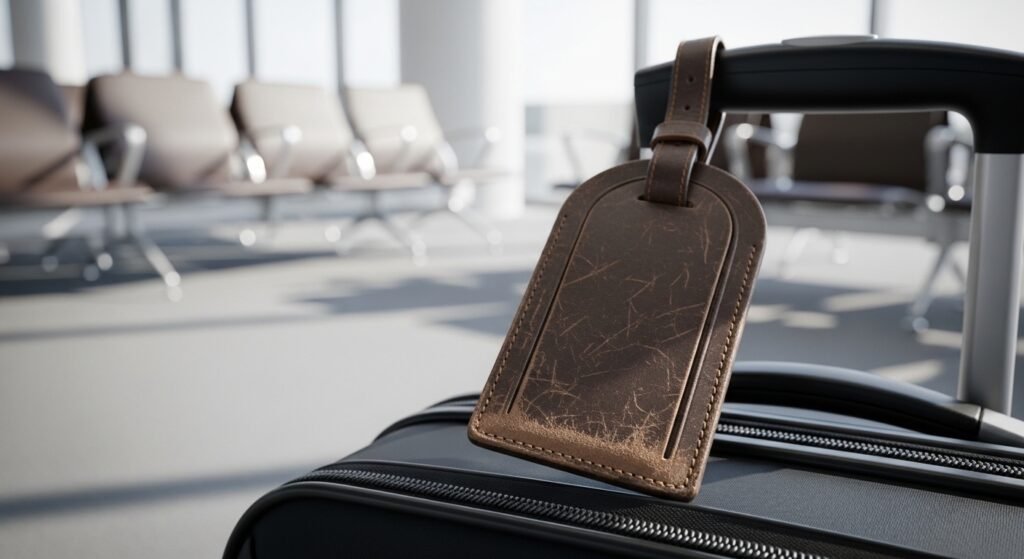
When tags hold old contact info or wrong locations, finding lost bags takes longer. Each time you travel, look up and refresh the data – so whoever picks up your suitcase knows exactly how to contact you right away.
Using Tags That Match Everyone Else’s
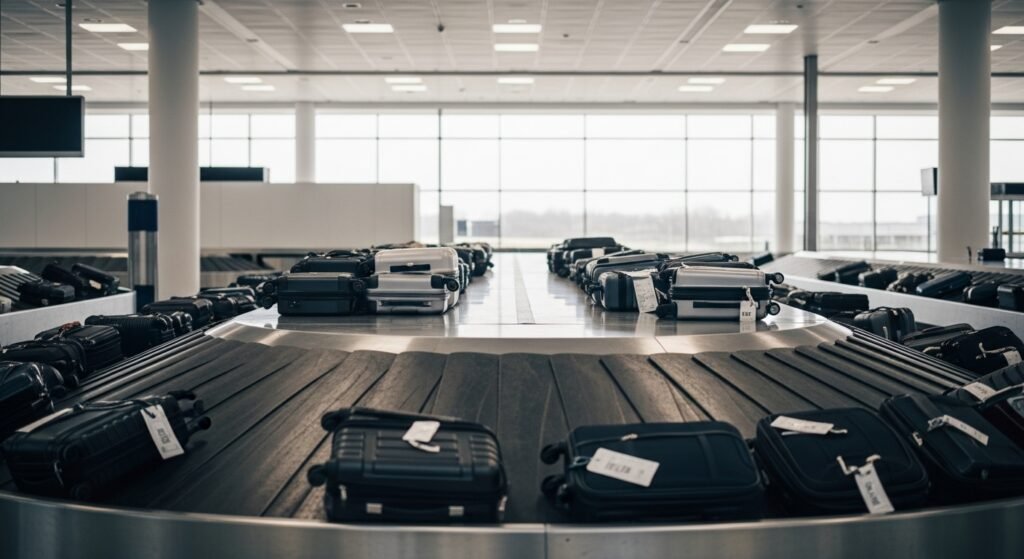
Luggage often shows bright souvenir tags – or those tied to airlines – as a usual sight. If multiple travelers carry the very same tags, mix-ups grow worse. A one-of-a-kind tag cuts errors while speeding up recognition during pickup times.
Skipping a Backup Identifier Inside the Bag

Failing to include more than just a surface label happens too often. A small note added beneath items – naming contact points – helps guard against loss when the outside tag vanishes or cracks.
