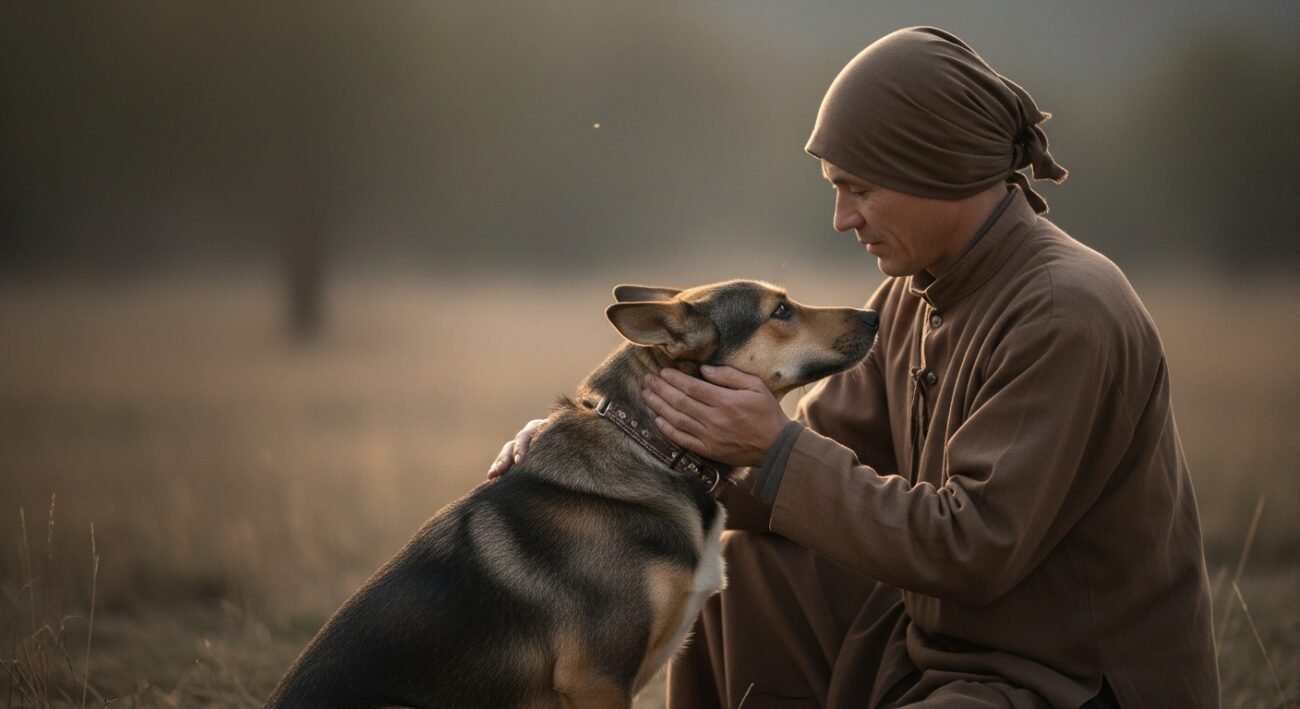
The relationship between dogs and humans dates back to the time when man and woman lived side by side, and it can be argued that it is much more than mere utility. In ancient culture, the presence of dogs was common in houses, in myths, in art and even in religious beliefs. They might have patrolled the doors, been beside the travelers, or even just shared fires and become part of daily life. What is common with us nowadays could have been reassuring then as well. Viewing old cultures through this perspective portrays the way in which dogs may have gained affection, respect, and meaning in a way that is relatable. Their appearance appears to reverberate a long tale of friendship, devotion, and routine, which is still present, faintly, in contemporary life.
Ancient Egypt and sacred companions
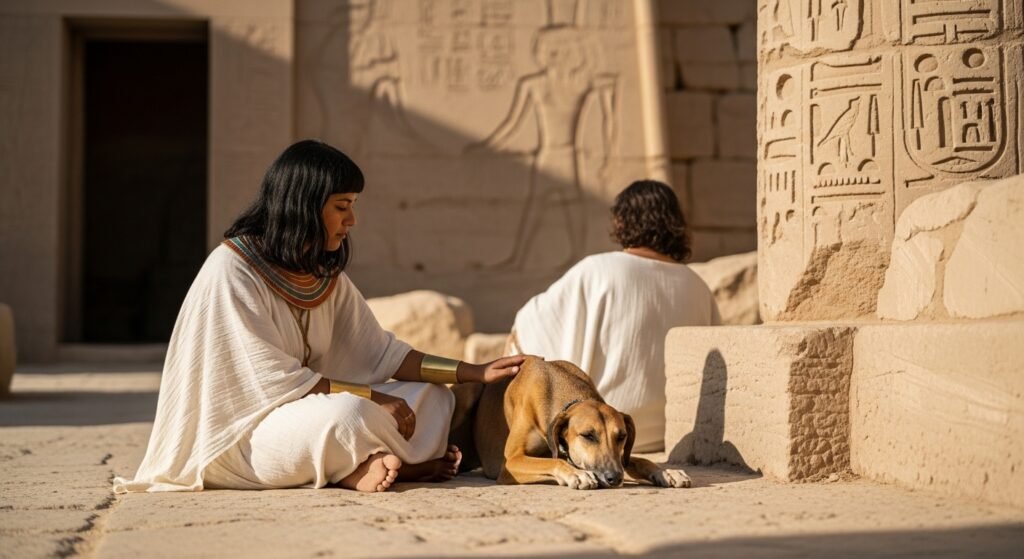
In prehistoric Egypt, dogs were frequently represented in art and funerary areas, and this could imply something more than utility. There were some homes that may have treated them as family guardians, and some of them even associated dogs with direction, faithfulness, and safe journeys during life and death.
Mesopotamia and watchful protectors
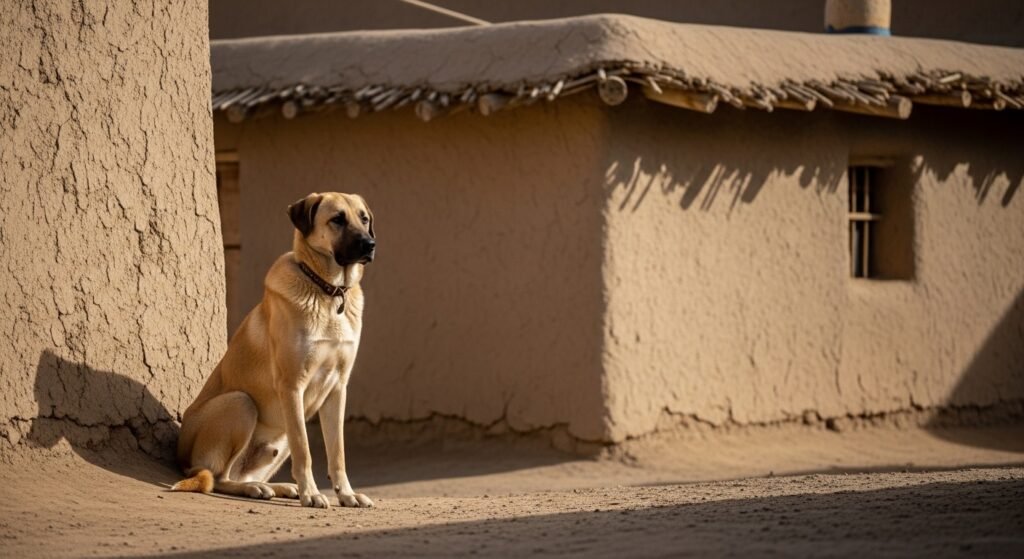
Dogs appeared to be connected by the Mesopotamian cultures with defense and curing. They were occasionally located in the vicinity of homes or temples, using images and texts. They could have been an indication of watchfulness and protection and quietly symbolized how humans treasured animals that remained close and guarded their everyday activities.
Indus Valley and quiet companionship

Archaeological evidence of the Indus Valley includes dog remains around the human settlements. This could mean common areas of habitation and not remote utility. Dogs might have been walking side by side with people in their daily life, building relationships that were natural, stable, and constant.
Ancient China and domestic guardians

In ancient China, dogs had been used as pets, which were usually kept around residences and farms. They may have valued watchfulness, but in their constant presence. There was a possibility that some traditions regarded dogs as a form of loyalty, protection, and good fortune in normal family life.
Greece and loyal storytellers

The myths and literature of the Greeks tended to depict dogs as loyal and sensitive. Having gone from guarding homes to being plain patient, these tales could show how individuals perceived loyalty in the animals. Dogs appeared to be part of the morality teachings, everyday life, and common cultural fantasy.
Rome and domestic familiarity

Dogs were commonly used as pets and guards in Roman families. Mosaics and writings indicate that they were also involved in domestic life. They might even have been treasured as a means of protection, as well as companionship, which once again demonstrates a balance that can still be identified with today.
Native American cultures and shared journeys
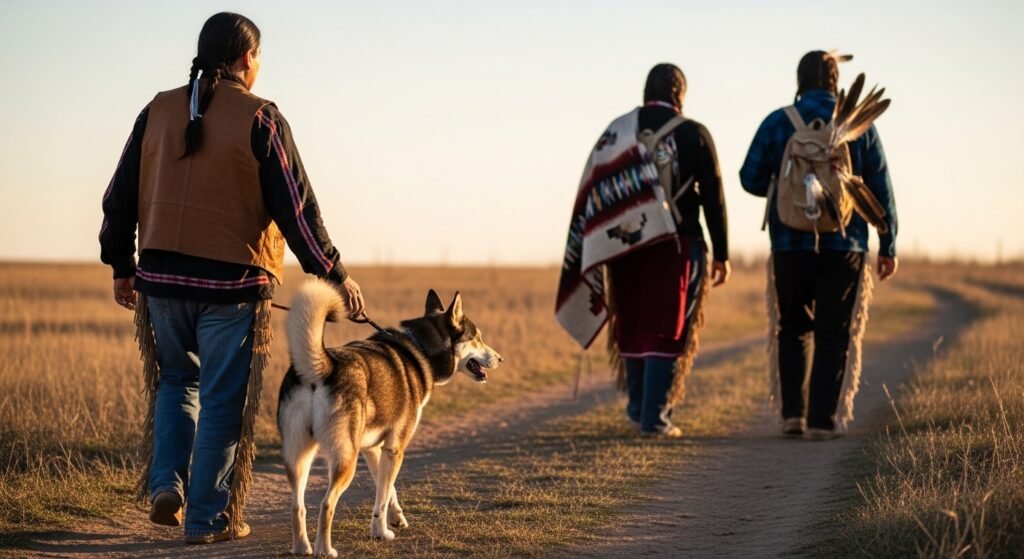
Most Native American groups were in intimate contact with dogs. They can assist in travelling or security, but also in everyday life. There are many stories and traditions that show that dogs served as helpers and companions and were in mutual dependence instead of being owned.
Mesoamerican civilizations and spiritual guides
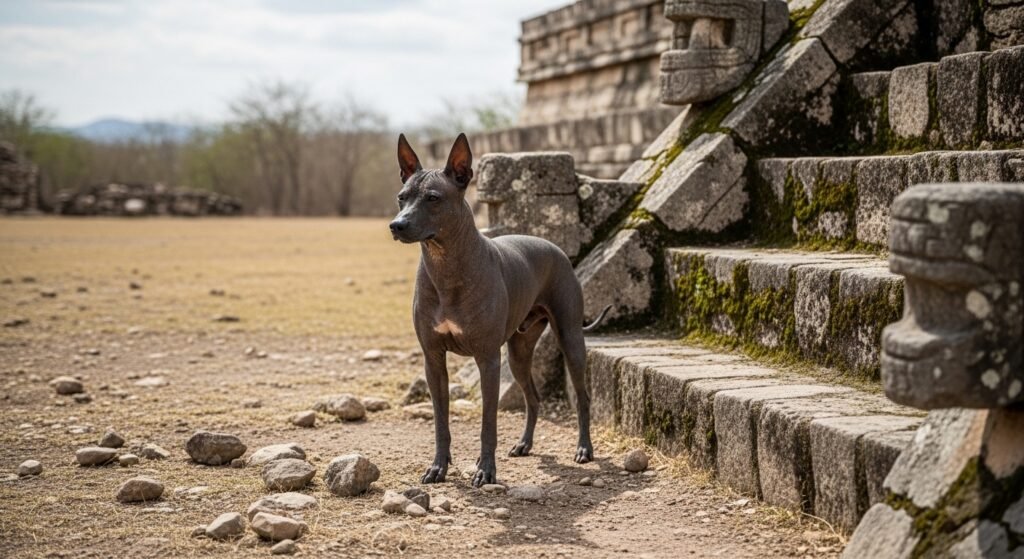
Some of the Mesoamerican cultures even had dogs in their beliefs about afterlife journeys. This can be an indication of strong respect and trust. Their task perhaps incorporated spiritual icons with their day-to-day association, demonstrating the interrelation between animals and human beings.
Ancient Persia and moral respect

Persian cultures placed some importance on the good treatment of dogs. They could have been considered morally important animals that needed to be taken care of. This attitude proposes a codependence that is based on respect, duty, and sharing of living space.
Norse societies and watchful presence
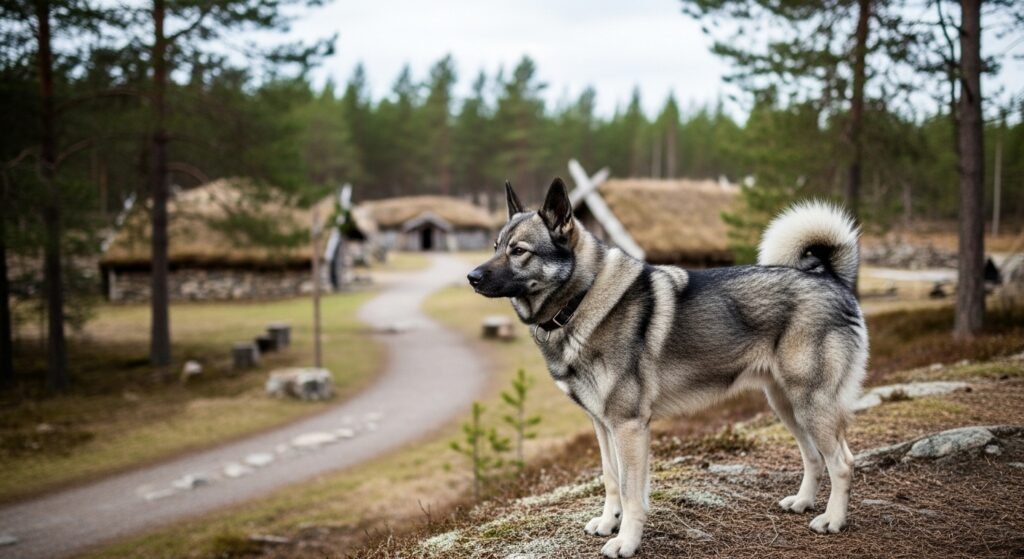
In Norse countries, the dogs were frequently in the vicinity of farms and in myths. They could have represented alertness and devotion. The fact that they were consistent in unfriendly environments may indicate how humans placed value on reliable partners in unpredictable situations.
Early bonds and prehistoric communities
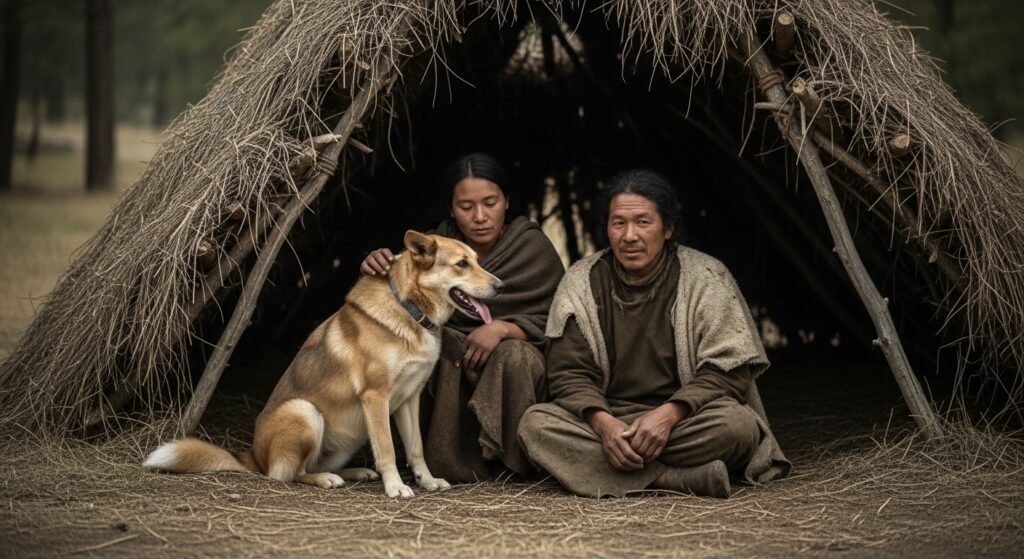
Before the beginning of written history, it had been hinted that there was a close relationship between humans and dogs. There can be shared shelters and burial sites that show emotional attachment. These primitive relationships perhaps formed the basis of the lifelong friendship that humans are fond of.
