
Have you ever noticed that how almost every passport you see is red, blue, green, or black? It’s not some strict global law, but countries can technically pick any shade, but over 90% stick to these four for a mix of practical and symbolic reasons. Dark colors look official, hide wear and tear better, and work well with security features. I dove into travel sites and articles to unpack the trends and meanings behind them. Here’s the breakdown in seven fascinating points.
No Official Rule, Just Practical Choices
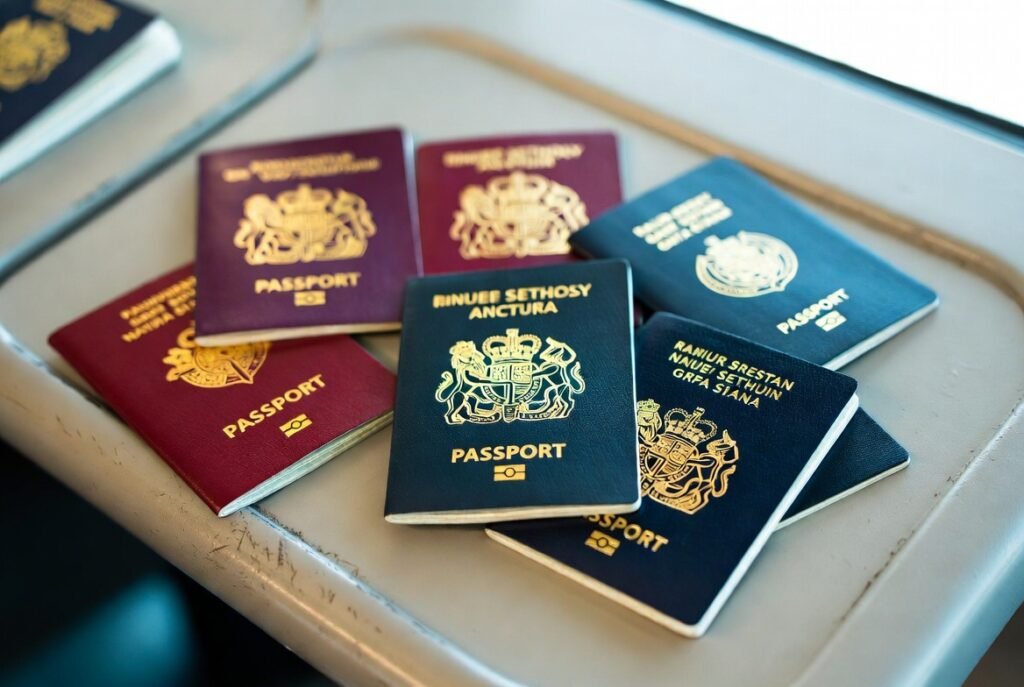
There’s no international regulation forcing colors on any passport. ICAO only sets standards for size, security, and layout. Countries choose dark hues because they appear dignified and professional, plus they mask dirt from years of travel. Lighter or bright colors could fade or show wear too easily with the tough materials needed.
Red: The Most Common, Often Tied to Europe or Politics
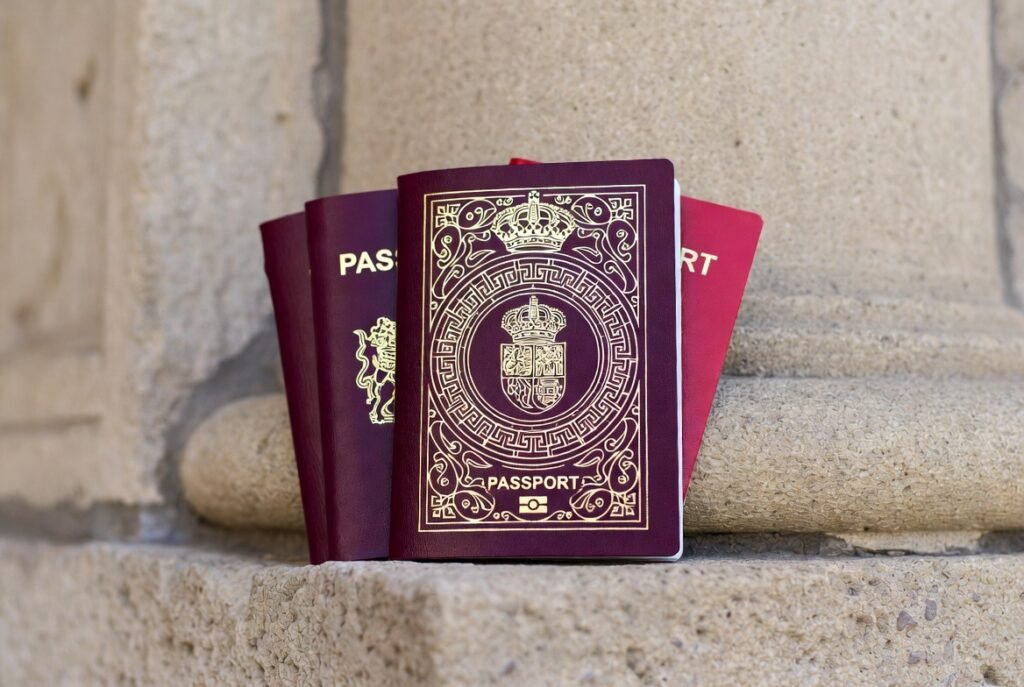
Red (usually a burgundy shade) dominates, especially in the EU nations, where it’s a shared design for unity. Countries with communist histories, like Russia or Chin,a go with red colour too, and some, like Switzerland, nod to their flags. It’s often seen as bold and authoritative.
Blue: Symbol of the “New World” and Freedom
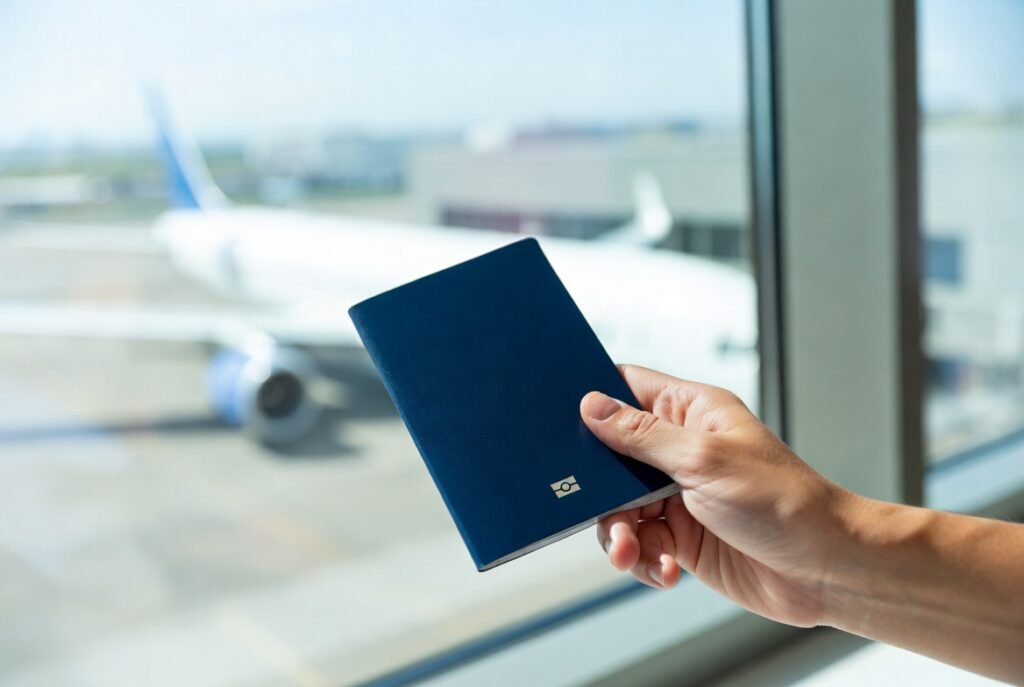
Blue passports are big in the Americas sub-continent, think USA, Canada, and Brazil, all representing the oceans or new beginnings. Many Caribbean nations follow suit, and post-Brexit UK switched back to blue for a fresh identity. It’s calm and modern.
Green: A Nod to Religion and Nature
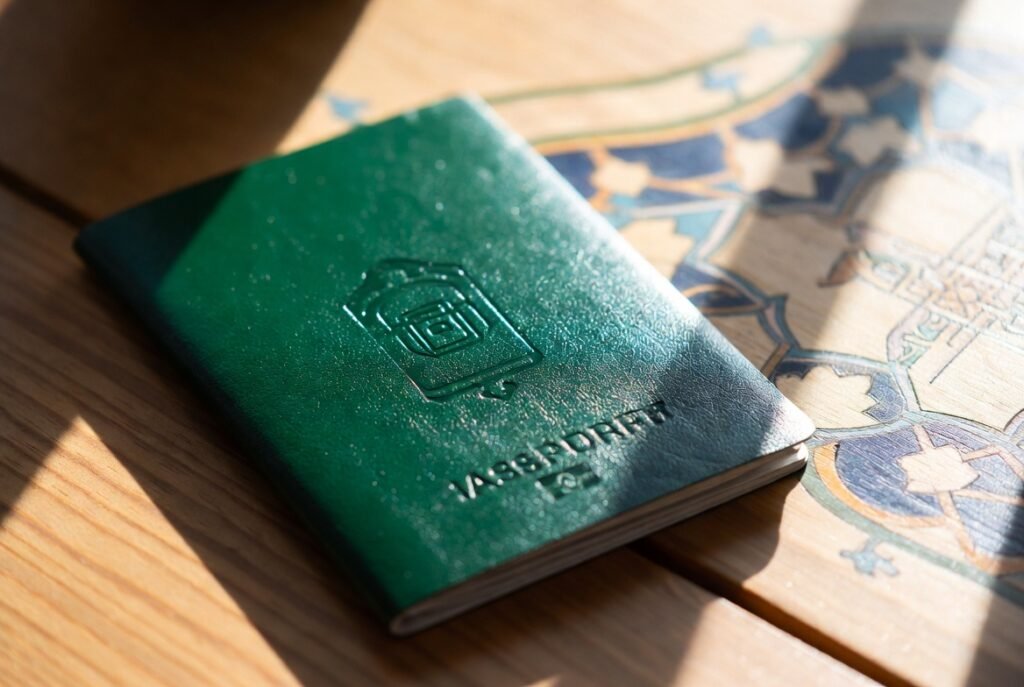
Green colour on passports is favored by many Muslim-majority countries like Saudi Arabia, Pakistan, and Morocco because it’s sacred linking in the Islam and is linked to paradise and the Prophet Muhammad. Some West African nations use it too, tying into regional groups or nature symbolism.
Black: The Rarest, for Elegance and National Pride
Black is uncommon but striking like New Zealand chose it as their national color, Botswana and some African countries follow for similar reasons. It hides scuffs perfectly and screams sophistication. Diplomatic passports sometimes go black too.
Exceptions That Break the Mold

Most stick to the big four, but a few rebel: Norway’s is salmon pink (turquoise for emergencies), Fiji’s turquoise matches their flag. These stand out, but are rare because bright colors don’t hold up as well over time.
Colors Reflect Identity and History

Ultimately, shades subtly shout national vibes like politics, religion, geography, or alliances. EU burgundy shows togetherness, while blue waves the flag for the Americas. It’s a quiet way countries express who they are on the world stage.
