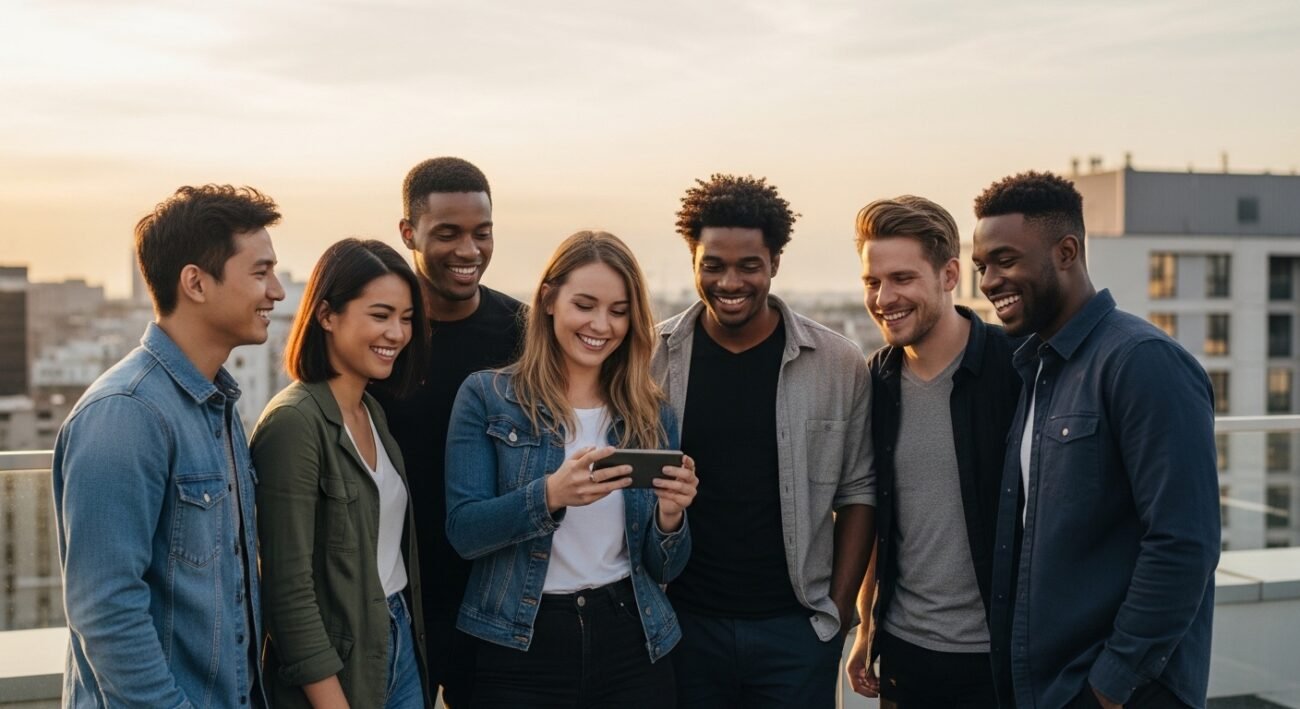
Modern culture has changed our way of making acquaintances, associating and maintaining friendships. Social bonds between generations have been transformed due to technology, urbanization, changing working trends, and social values. As much as fundamental human needs of belonging and trust do not change, how we create and nurture friendships and the manner in which it is done has changed significantly over the past decades. The faster, more connected, and more diverse world has been transformed into the digital communities in terms of friendship and flexible social norms, which are the characteristics of today.
The Emergence of Social Media Platforms.

Social media, such as Instagram, Facebook, and Tik Tok have simplified communication between individuals across the globe. Friendships are now made on the basis of interest instead of being involved in geographic proximity. Even though social media makes it more accessible and exposed to a wide variety of communities, research indicates that sometimes being online too much results in less face-to-face interaction.
Internet Groupings and Exclusive Interests.

Such websites as Reddit and Discord enable people to develop friendships around rather narrow-focus interests like gaming or mental health support. These online communities tend to form significant relationships between individuals who could never meet in real life establishing boundaries out of culture.
The Influence of Remote Work

Remote work has transformed the workplace friendship due to the increased pace of remote working that has been experienced during the COVID-19 pandemic. Colleagues tend to use virtual meetings and communication applications without being physically present to meet their colleagues. Remote work can create flexibility, but can deprive people of spontaneous social bonding that would otherwise have emerged in offices.
Urbanization and Mobility
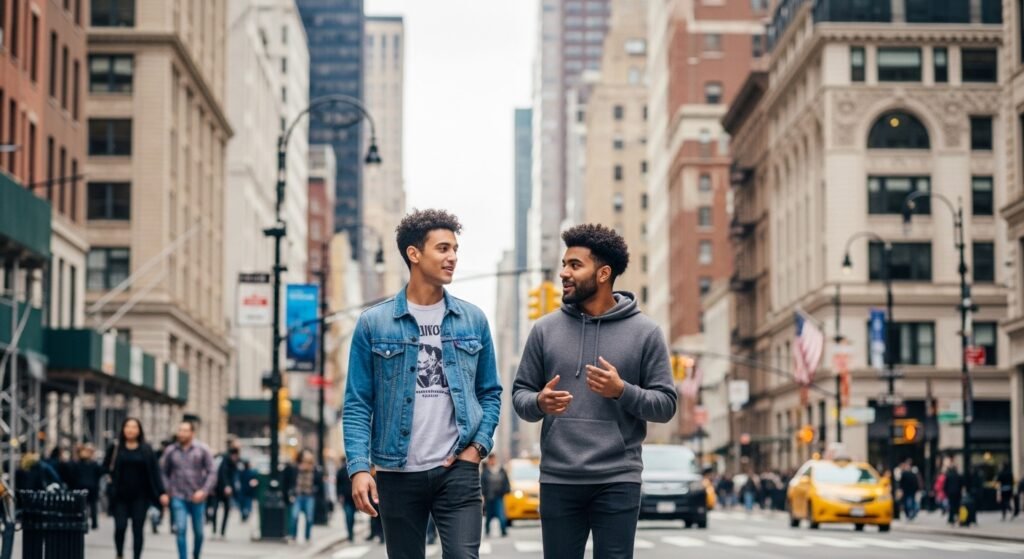
Contemporary workers often move to get an education and work experience. The cities such as New York City and London are magnets to world talent and they lead to exposure to multicultural social networks. The problem is, however, that friendships can also become more temporary because of moving continuously and switching social networks to the adaptability mode, as opposed to permanence.
The Place of Dating and Networking Apps.

Applications that were originally built with the purpose of romance or networking, like Bumble or Meetup, also have platonic opportunities. This is an indication of a cultural change regarding conscious friend-making, particularly among the adult population who may have some difficulty in establishing new social networks once school is over.
Shifting the Disposition of Vulnerability.

The emotional openness is now normalized by modern discourse of mental health, backed by such organizations as the World Health Organization. Friends now talk more about their difficulties than the earlier generations and this emotional connection helps lessen stigma levels around mental well-being.
The Pop Culture and Media Effect

Stranger things and Friends are two examples of a show in which close-knit groups of friends are depicted, building the idea of group loyalty and the social make-up. Through media portrayals, individuals form an ideal of friendship relationships and, in some cases, increase the bar of intimacy and experience being had together.
Online Socialization over Face-to-Face Socialization.

Video calls and messaging apps have substituted a fair number of face-to-face interactions. Although this makes communication constant it can be without nonverbal cues. Communication research studies have suggested that the interaction during face-to-face can enhance empathy and trust, which implies that convenience found in a digital setting can require a loss of depth at times.
Globalization and Friendships across Cultures.
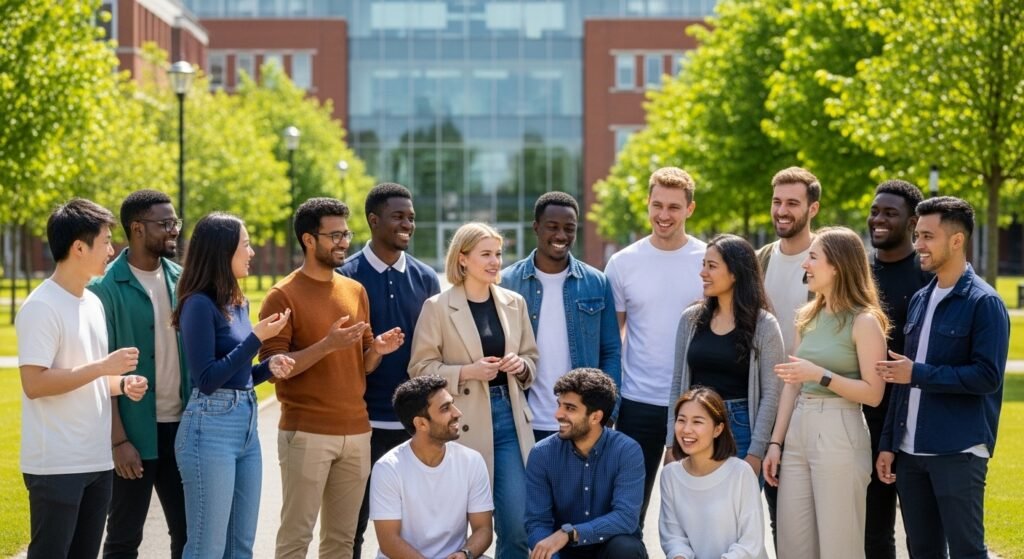
International education and traveling has increased cross-cultural friendships all over the world. Organizations like the United Nations facilitate the promotion of culture where cross-border enlightenment is encouraged. Contemporary friendships also tend to be more multicultural and therefore enhance the social experience and expand the worldviews.
The Tradeoff Between Quality and Quantity.

Contemporary culture insists on big social networks, which may be quantified by the number of followers or connections. Nevertheless, psychological studies continually demonstrate that having a limited number of close friends is more likely to lead to the enhancement of well-being than meeting many superficial acquaintances. With the rise of digital networks, people are getting used to putting more importance on depth, trust, and shared values as opposed to numbers.
