
All societies run on unwritten rules which determine how people behave, their manners and their day to day intercourse. Gradually these norms are silently redefined by cultural changes, technology and globalization. What used to be automatic, such as handwritten letters or actually standing up when elders came in, is hard to find. These evolutions tend to be quiet and slow but they dramatically change the way people relate and interact. These are some of the top ten social norms today that have passed away quietly in most regions of the world.
Letters as Primary Communication
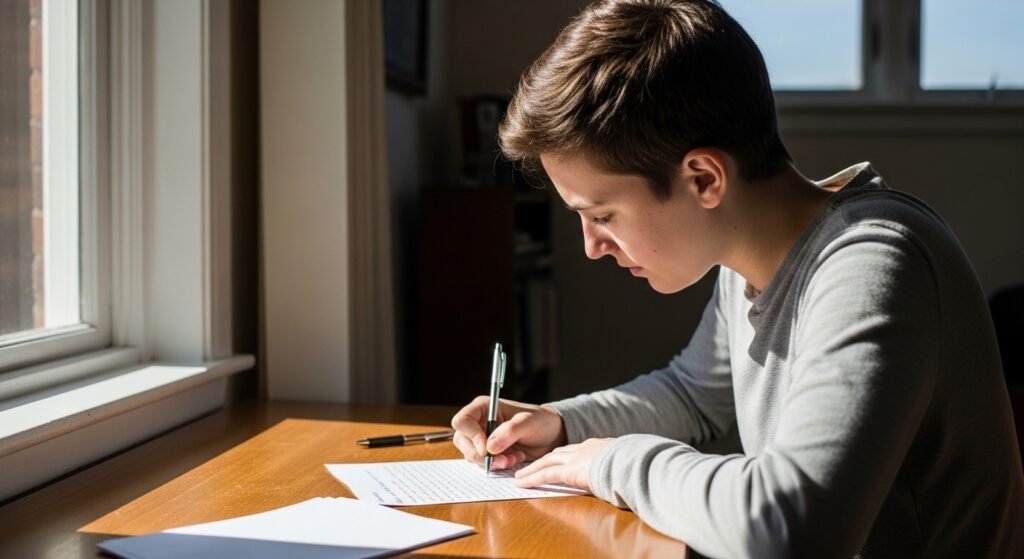
In pre-email and messaging application times, handwritten mail was one of the methods of communication. One had to use personal correspondence, which was emotion-driven and time consuming. Nowadays, most letter writing has been substituted by digital communication and appears only on a few rare occasions or on special events.
Memorizing Phone Numbers
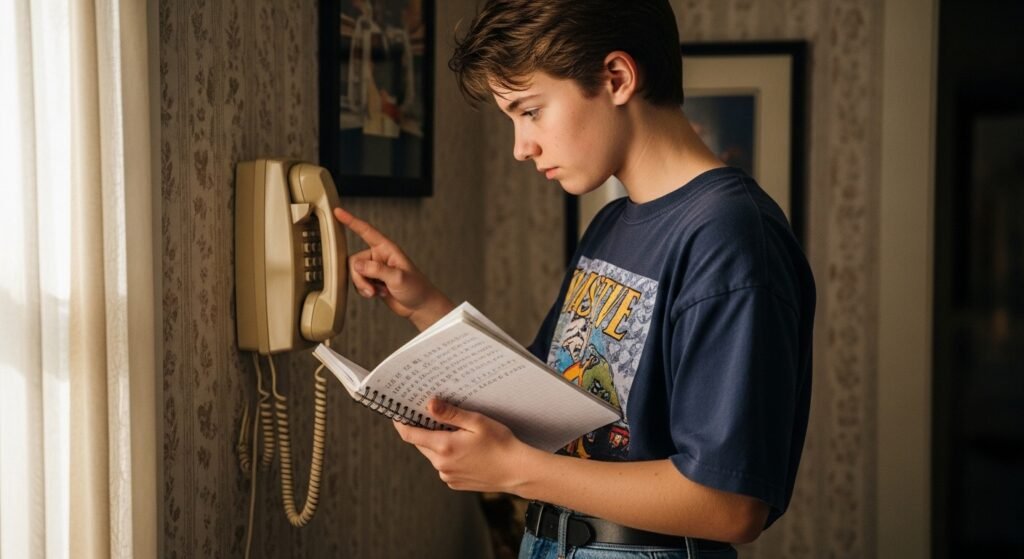
During the landline and early mobile phone years, individuals could swear by memory dozens of phone numbers. In our society where contacts are automatically saved on a phone, most individuals no longer know a significant number of contacts and thus have to use gadgets to recall them.
Standing When a Senior Arrives
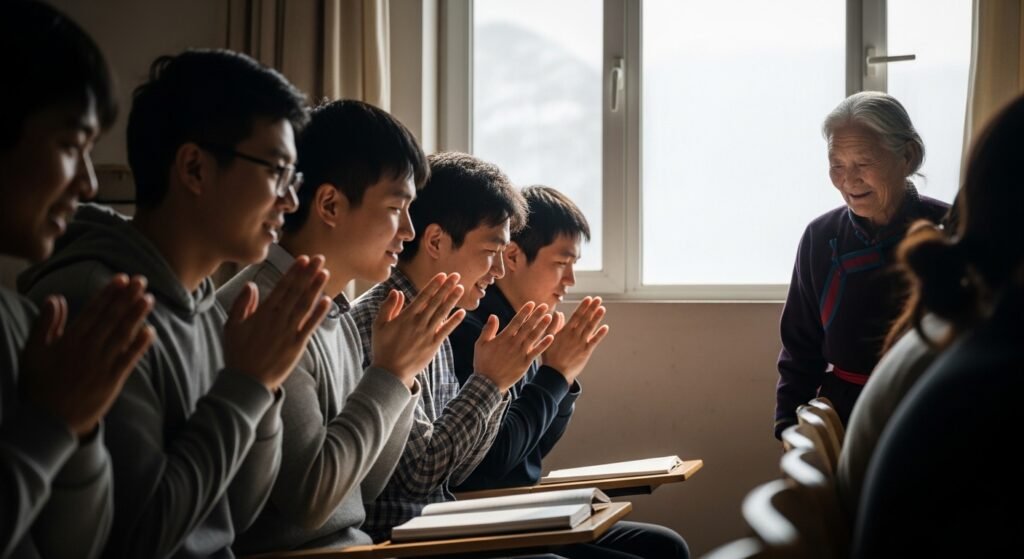
Many cultures such as in sections of Europe and Asia would stand when an older person or respected individual entered the room. Although respect towards the older people is still essential, this physical expression has gone a lot less prevalent in the regular atmosphere.
Formal Dress for Air Travel
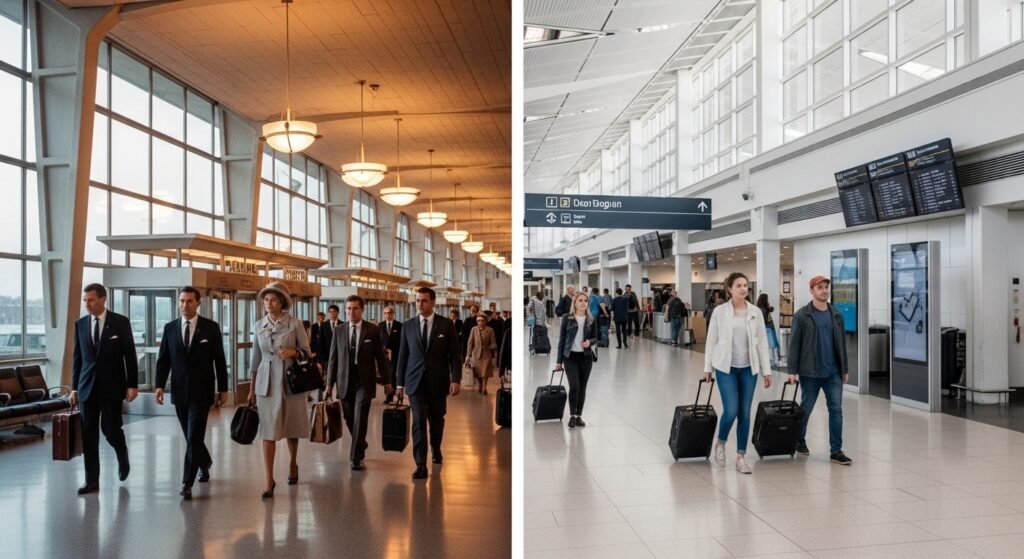
Travelling used to mean dressing up normally and the passengers used to wear suits, dresses, or business suits. In the early years of commercial flight- and more so in the 1950s and 1960s- air travel was treated as a luxury. The modern world is less formal and casual clothes are the norm.
Answering the Phone with a Family Name
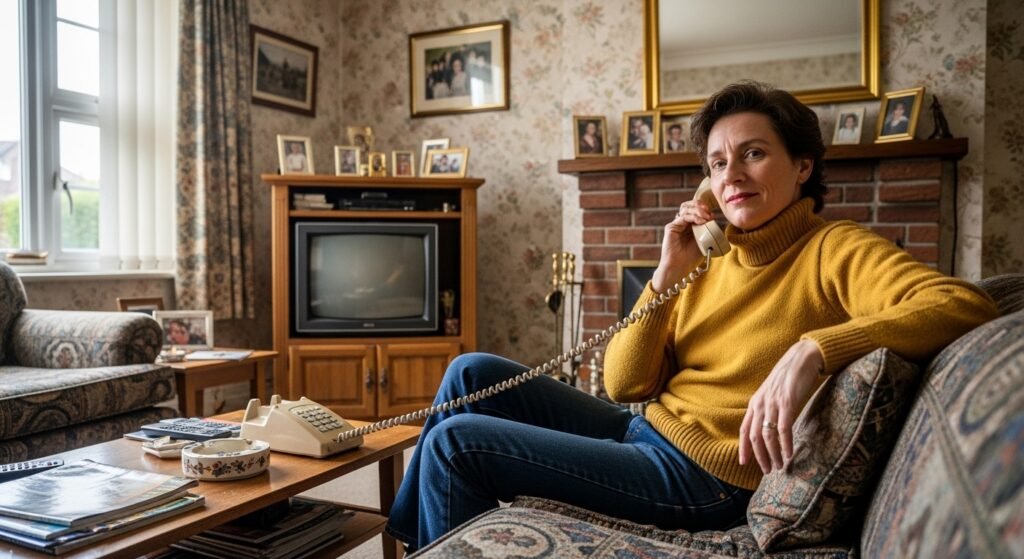
In the time when landlines were used by a whole family, it was common to answer using the family name. With the emergence of mobile phones as a personal device, the salutation also changed to a casual hello without specifying the household.
Conversations at the Doorstep of the Neighborhood
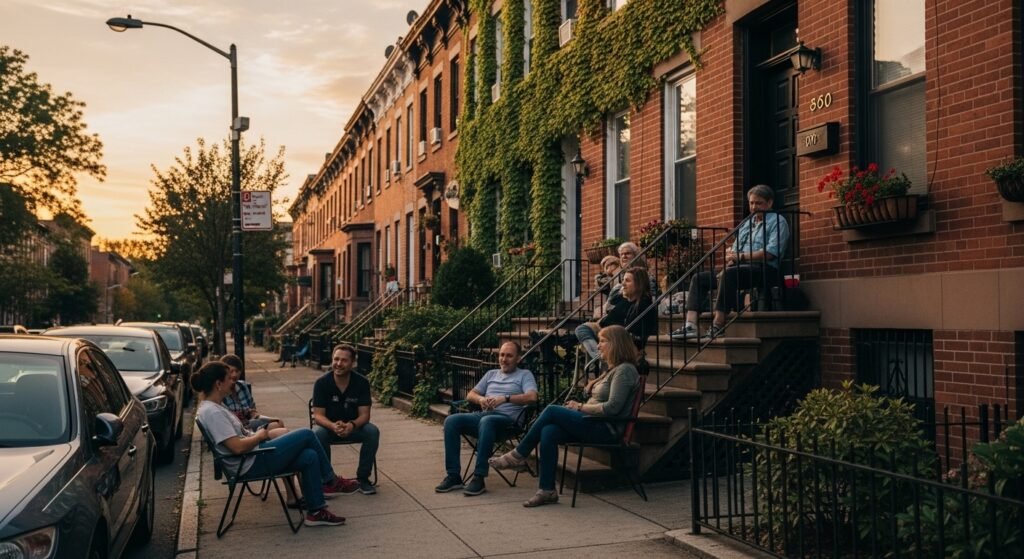
In the days before the high use of television and the internet, neighbors used to sit outside their houses during the evenings and converse. Several cities have seen a decline in impromptu neighborhood contact as people spend more and more time staring at screens and have less time to spend together on the street.
Wearing Of Results in every day speech

Using the terms Mr. or Mrs. or Sir to address people was the norm at school, work places, and even in the social environment. Although still here within formal settings, most cultures, especially those in nations such as the United States, have changed to using first names.
Writing Thank-You Notes
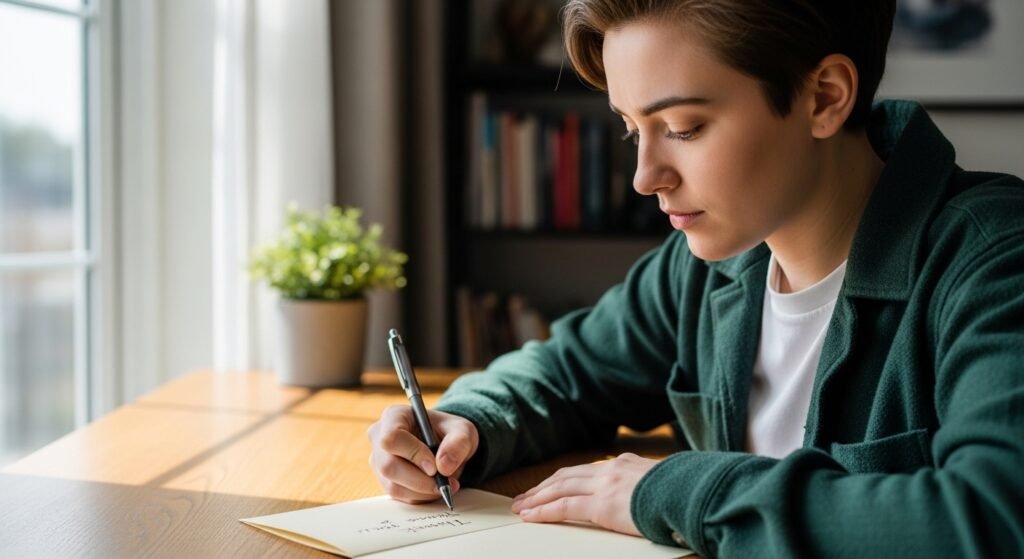
It was common in the 20th century to send handwritten thank-you cards following the receipt of gifts or events. Nowadays, thanks are easily told using short SMS messages or social media updates as opposed to written notes.
Stringent Television Timetables
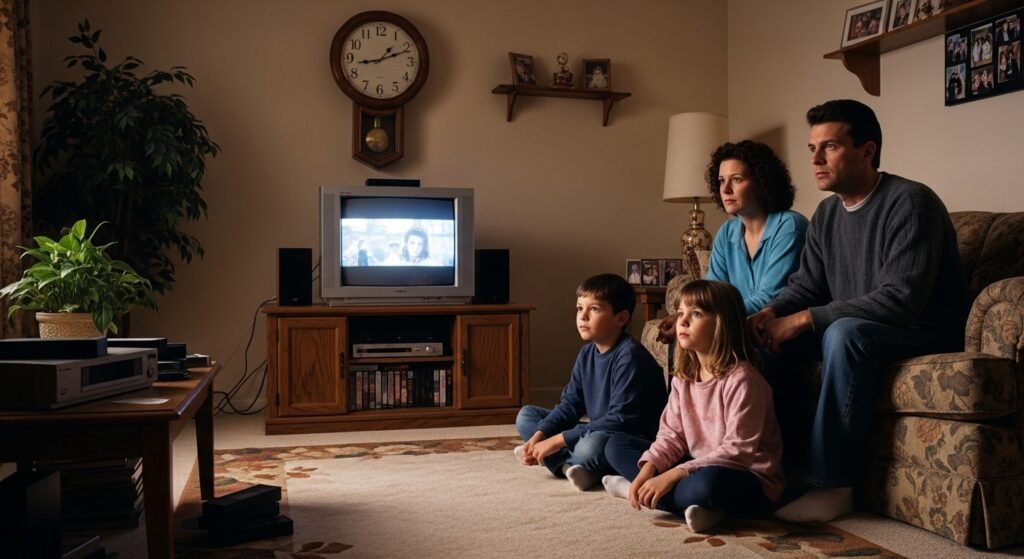
Family members used to organize evenings around certain times of television shows since the programs were only shown one time a week. Prior to the emergence of streaming sites such as Netflix, the only option one had was to skip an episode and expect reruns. Demand streaming has also done away with the necessity of adhering to strict programs.
Coming with Cash to Buy Even Small Things
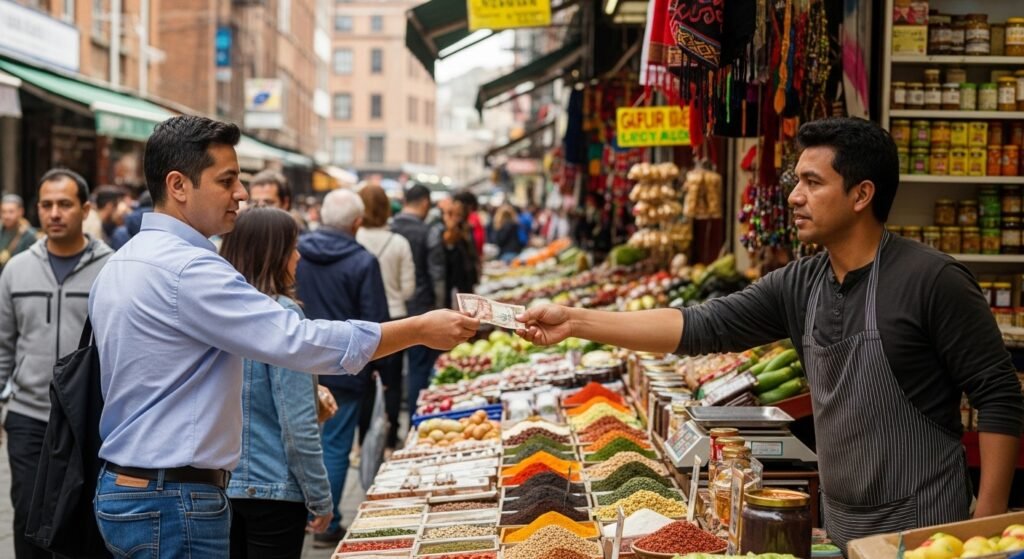
In the past cash had been the major mode of payment on a day to day basis. Physical money is utilised much less than in previous decades, with the emergence of digital payments, as well as the introduction of contactless cards, which are used much more in countries such as Sweden, where most businesses are largely cash-free.
