
Nowhere is talk cheaper than online. One typo might say joy, another rage. Words sit silent too long, then explode. What sounds light on screen may sting loud otherwise. Mistakes in texts often lead nowhere, and assumptions grow as context shrinks. Yet small choices shape how we come across – clear, respectful, or unsure. Texting brings reactions faster than response, and in some cases to damage reputation and credibility since they remove tone, body language eye contact and immediate feedback.
Overusing One-Word Replies
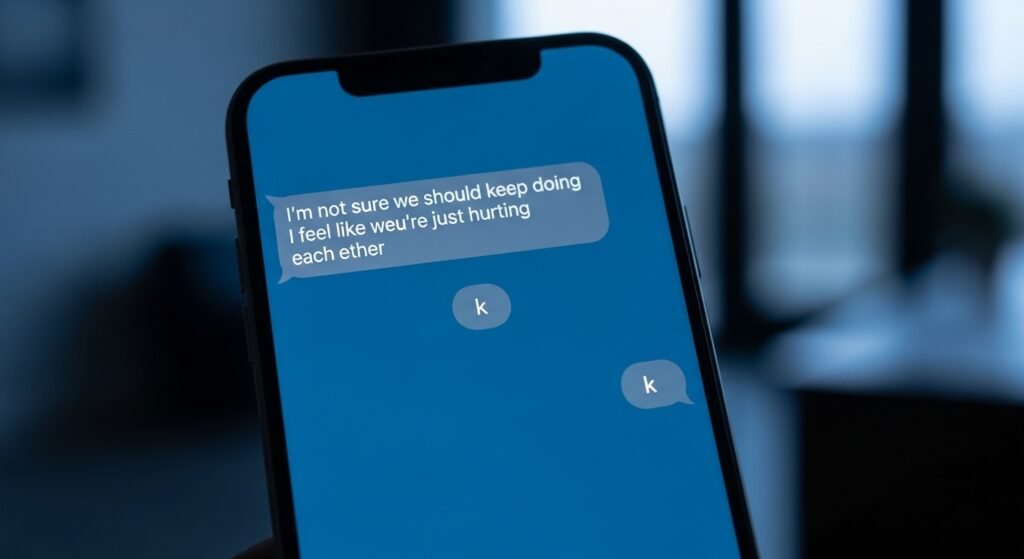
A quick reply – say, “k,” “fine,” or “sure” – might come across neutral but reads as cold, annoyed or dismissive. When things are hectic, tossing in slightly more detail helps connect meaningfully without letting the other person assume too much.
Ignoring Context

Starting fresh might feel easier when you first notice the earlier comment. What comes next works better after acknowledging what came before. The flow improves once the old point is given some space. Ignoring the context gives wrong message about your personality.
Using Too Many Emojis

Warmth sometimes comes through emojis, yet too many spread the message thin. When talk turns work-related or serious, too many emojis could feel odd, even childlike. Too many emojis make you seem unserious or like seeking approval. If your intention isn’t crystal clear, tone gets misread.
Writing Long Emotional Paragraphs

If you are upset or emotional, don’t send a novel, skip those messy, feeling-heavy texts. It’s hard to tell voice tone just by the words on screen. Talk it out instead – face to face works, phone call too. What matters most usually needs real time connection. A benchmark rule, if your heart rate is up, step away.
Texting Without Proofreading
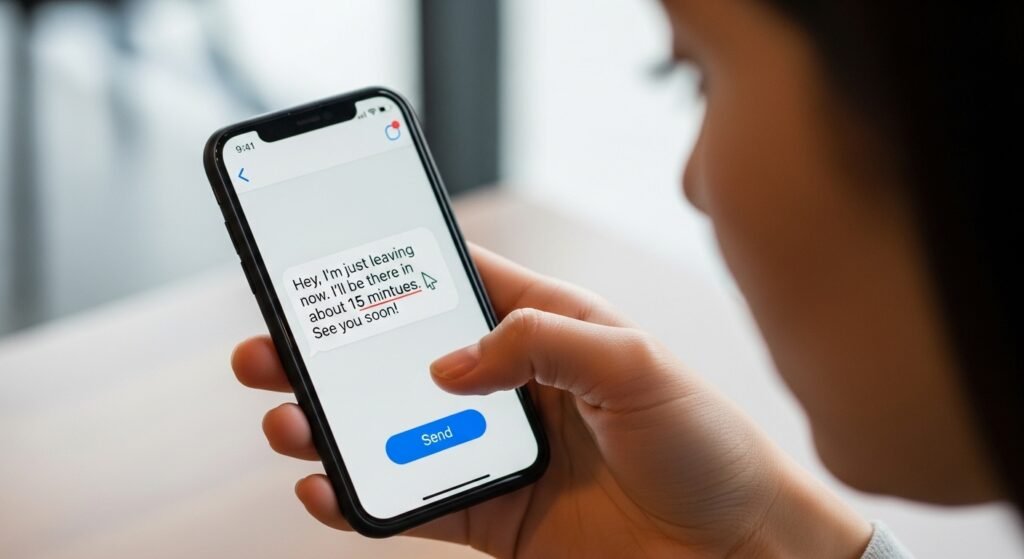
A single typo might say something entirely different. Before hitting send, take a moment to read it again – this helps catch mistakes early. Avoiding rush steps often avoids awkwardness too. It signals carelessness and sometimes leads to embarrassing miscommunications as well. Before hitting that send button, look if your tone is clear, spelling and emotions, both.
Overusing Sarcasm

When you write with sarcasm, meaning often gets lost. Jokes slip away looking like insults or hidden criticism. No face. No tone. Just words sitting there. Sarcasm masks your real feelings and may erode emotional safety. It weakens serious conversations and may sound like contempt.
Sending Multiple Rapid-Fire Messages

When you fire off multiple quick texts at once, it may come across as pressuring. Try gathering ideas into just one thoughtful reply – unless the flow of talk truly needs rapid exchanges.
Ignoring Boundaries

Some move fast through messages. Getting the same signals again – like “???” or “Why aren’t you replying?” Sometimes, shared tasks can spark tension. How people manage time might vary. That difference matters when planning together.
Discussing Serious Matters Over Text

When things fall apart – like a tough argument or hidden tension – talking face to face makes sense. Sending messages can blur feelings, making problems worse without fixing them.
