
Money doesn’t usually disappear because of one big mistake. More often, it leaks out slowly through habits we barely notice. These small, everyday choices can quietly drain finances and create stress over time. The good news? Once you recognize them, they’re surprisingly easy to fix.
Spending Without Tracking

Many people don’t actually know where their money goes each month. Small purchases add up fast when there’s no awareness.
How to avoid it: Track expenses for at least one month. Even a simple notes app or basic spreadsheet can reveal patterns you didn’t expect.
Impulse Buying for Emotional Relief

Buying things to cope with stress, boredom, or sadness feels good in the moment, but often leads to regret later.
How to avoid it: Pause before buying. Give yourself 24 hours and ask, “Do I need this, or am I just trying to feel better?”
Paying for Subscriptions You Don’t Use

Streaming platforms, apps, gyms, and memberships quietly charge month after month. Many go unused.
How to avoid it: Review subscriptions every few months and cancel anything you haven’t used recently.
Ignoring Small Daily Expenses

Daily coffee, food delivery, or frequent cab rides seem harmless individually. Together, they can cost thousands yearly.
How to avoid it: Don’t eliminate everything, just be intentional. Choose a few habits worth keeping and cut the rest.
Not Comparing Prices
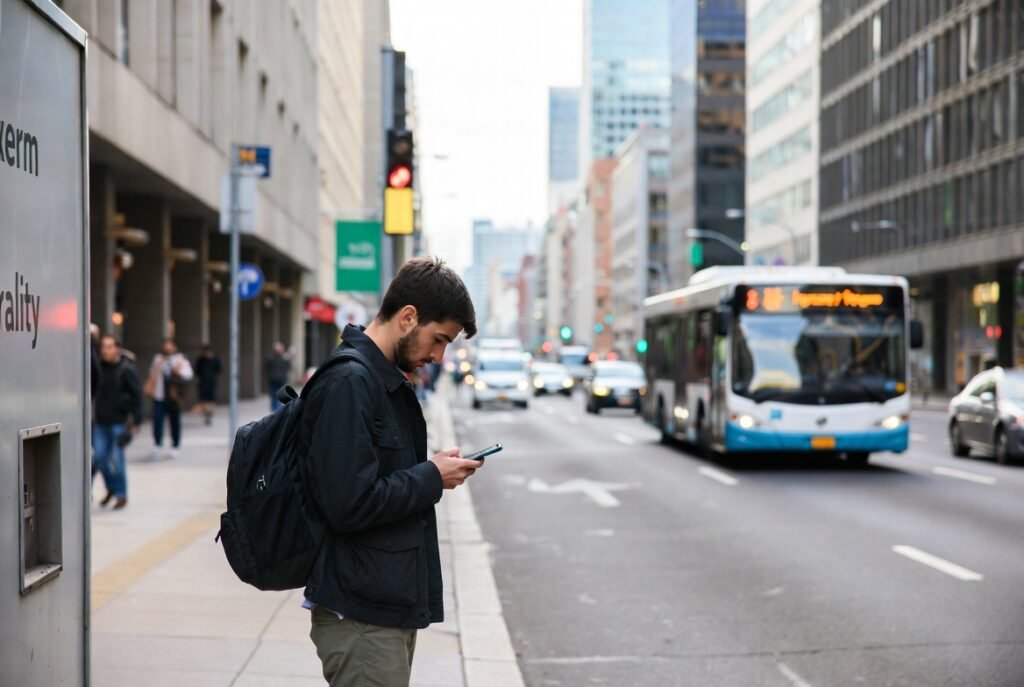
Buying the first option you see often means overpaying. Convenience can be expensive.
How to avoid it: Spend a few minutes comparing prices online or checking alternatives. Small savings add up over time.
Carrying High-Interest Debt

Credit card interest is one of the biggest money wasters. Paying interest means paying extra for the same purchase.
How to avoid it: Prioritize paying off high-interest debt first, even if it means slower progress elsewhere.
Lifestyle Inflation

As income increases, spending often rises automatically bigger homes, better gadgets, more frequent outings.
How to avoid it: Increase savings first when income grows, then adjust lifestyle intentionally instead of automatically.
Skipping Emergency Savings

Without a buffer, unexpected expenses force people into debt. That debt then costs even more.
How to avoid it: Build a small emergency fund, even one month’s expenses can make a huge difference.
Buying Cheap Instead of Buying Smart

Low-quality items often need replacing, costing more in the long run.
How to avoid it: Spend a bit more on things you use often, and save on items that don’t matter as much.
Avoiding Financial Conversations

Many people avoid budgets, planning, or money talks because they feel overwhelming. Avoidance is expensive.
How to avoid it: Start small. One conversation, one goal, one decision at a time.
