
Patience is sometimes like a silent art that develops gradually, almost undetected. Life is a rush; we have expectations, and it is easy to feel like rushing or responding or judging instead of giving a pause. However, patience, not only to oneself but to others as well, is a way that many people discover to make life much easier. It does not imply that you should not care about issues or even act as if nothing is wrong. It can just be a matter of letting time to learn, develop, and make minor errors. Patience in real life is usually displayed in small manners, which determine the way individuals think, talk and react.
Patience begins in small moments

Patience is not necessarily that huge and dramatic. It can start in the most ordinary situations, such as waiting to be answered, completing a task gradually, or allowing a small error to go by without anger. These brief interruptions may, in silence, form more peaceful habits.
Allowing yourself to learn in your own pace
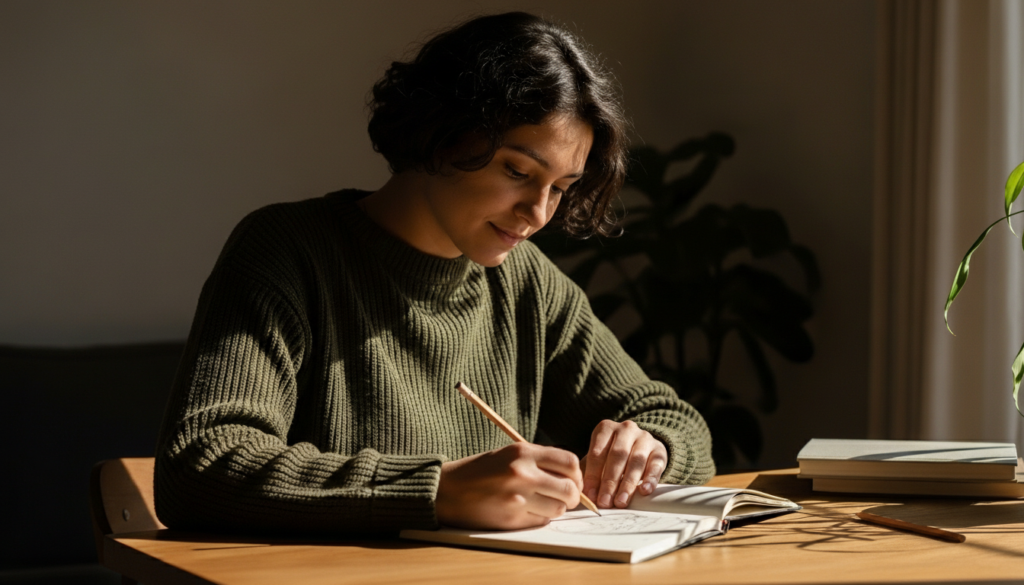
The process of learning does not occur at the pace that is expected. It may happen that the progress may be slow or lumpy. Providing the space to commit errors and progress slowly can help to make the process less stressful and more natural in the long run.
Realizing that we just have different timelines
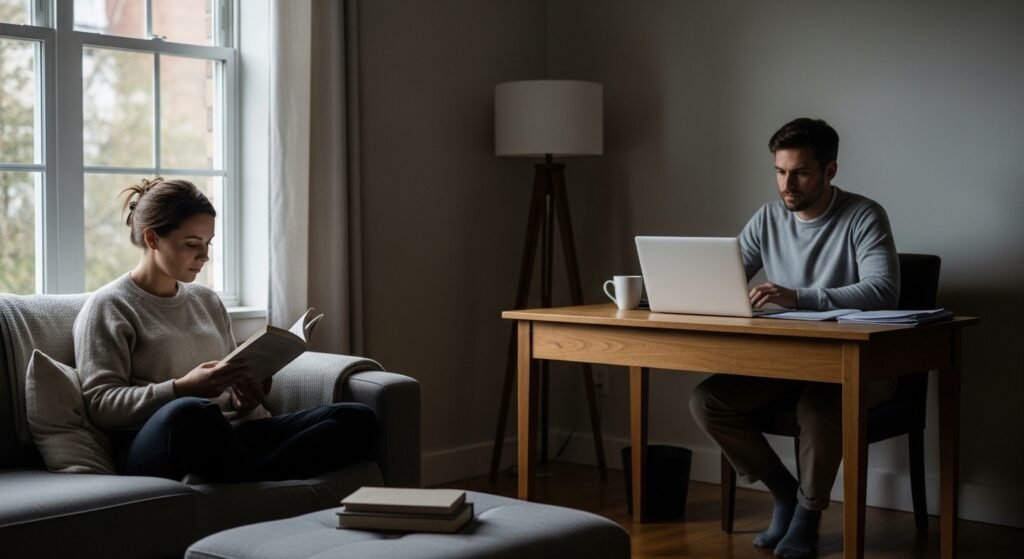
Different individuals have different rates of growth, learning and success. The comparison of timelines may even cause unwarranted pressure. Perhaps it is worth remembering that every human experience is experienced differently and in a certain manner depending on the circumstances that remain unseen in most cases.
The art of waiting before you respond

A short hesitation before replying may at times alter the mood of an encounter. This is because a pause to inhale or meditate might avoid rushed words or deeds. Even that small room can help to make conversations more relaxed and reflective.
Embracing flaws in the process of development

Errors can be not only unpleasant but also educational. Living with an imperfection does not imply abandoning any improvement. It could just imply knowing that progress can never be in a smooth and regular manner.
Being gentle with self-talk

The manner in which individuals address themselves also determines their moods. Internal rudeness can add to the pressure levels, and a more soothing, less harsh tone could make the obstacles seem less daunting. Complimentary self-talk can facilitate more consistent improvements.
Celebrating small steps forward

Advancement does not necessarily come in a bang. Even little changes, repeated with time, can make significant changes. Even observing such steps, even for a few moments, could contribute to keeping motivation and developing the impression of a gradual movement in the right direction.
Establishing limits without being harsh

Patience does not imply that one should accept everything to the limits. It can involve the development of clear boundaries without fear or being uncivil. It may be possible to achieve self-respect and understanding of relationships by talking loudly and in a soft tone.
Releasing the desire to control everything

All cannot be planned and predicted. Attempting to manage all the details can be a cause of tension and frustration. Having a certain degree of uncertainty could also be a relief and enable situations to go their own way in a more natural manner.
Growing into patience over time
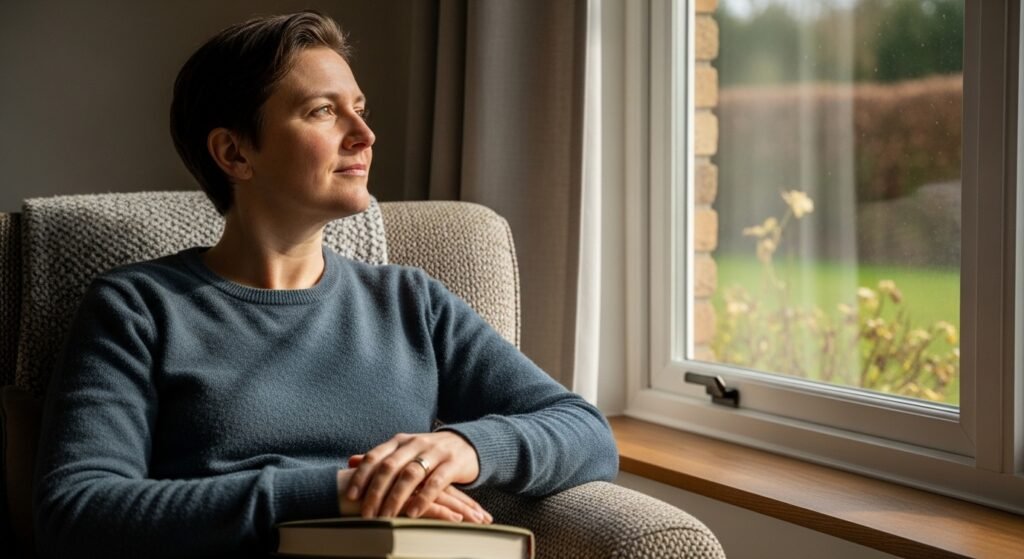
Patience never comes in one day. It can be formed over time based on experience, thought and mundane decisions. Over time, most individuals also learn that patience is not as much of a challenge as it is a routine.
