There are those who quietly abide by the rules, whereas there are those who seem to have fun in breaking them a notch higher. There are also some cities around the world that are commonly associated with the traditions of playfulness that could be mischievous, unexpected, or even charmingly weird. Such practices are normally based on history, local humor, or collective memories that have been built up. They may appear disorderly, but in most cases, they unite communities in a very unusual manner. Travelers are sometimes exposed to these traditions in the form of stories, photographs, or by mere word of mouth, and curiosity sets in. Being mildly disruptive or gaily unpredictable, these urban customs may help in turning common streets into a little bit more lively and memorable places.
Buñol, Spain
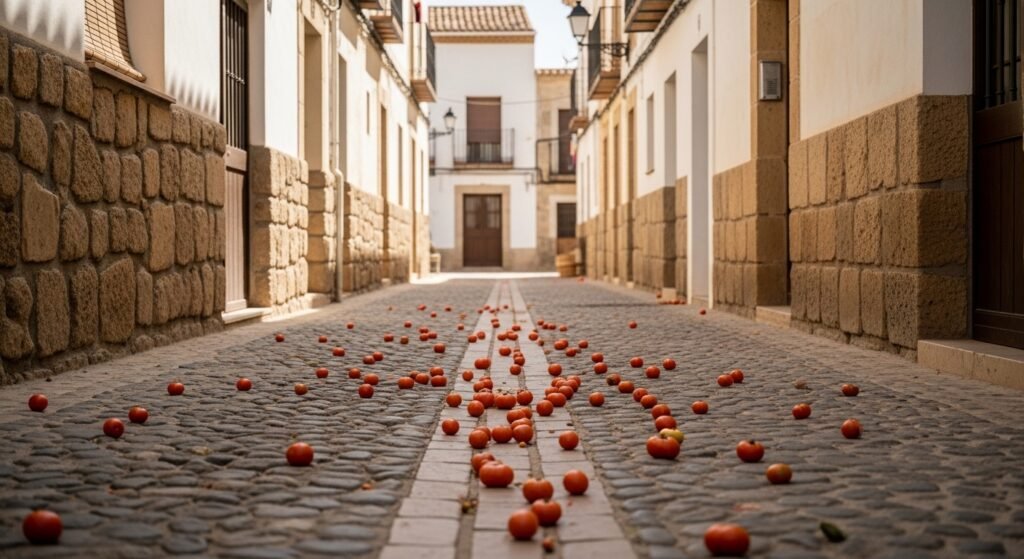
Buñol is mostly related to a day when the streets can become a fun game. It happens that locals and tourists come together to play with ripe tomatoes, and the jokes and mess made there in a moment seem to be momentary, joint, and strangely liberating.
Lopburi in Thailand
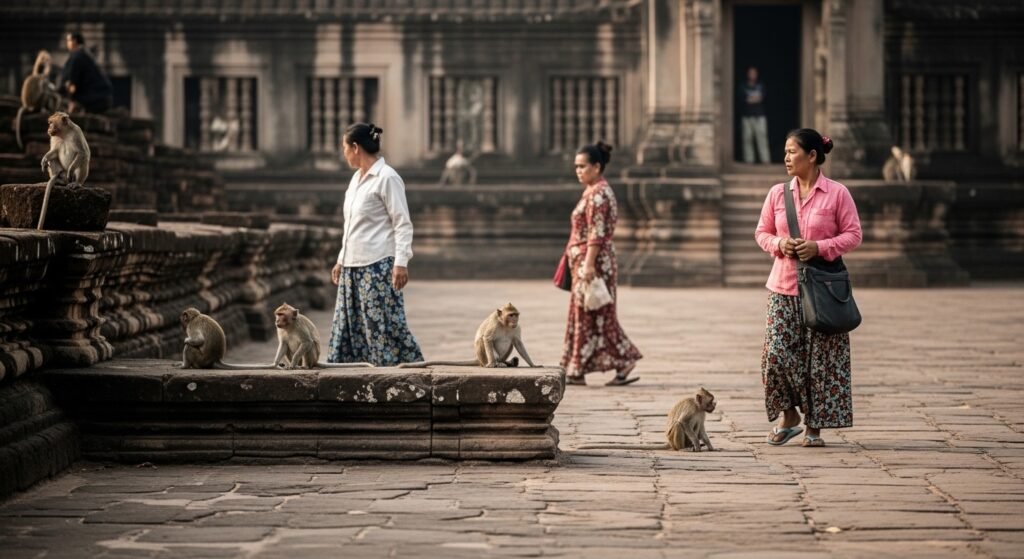
The monkeys are treated as informal inhabitants in Lopburi. They have been said to be roaming around freely, grabbing their food, and startling passersby, so this gives the city a mischievous flow that people learn to accept patiently.
Ivrea, Italy
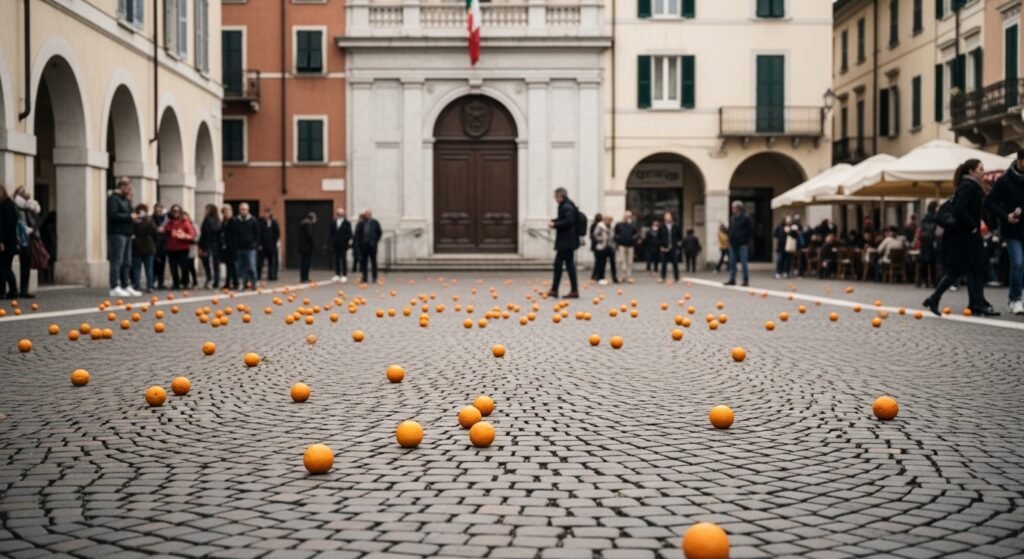
Ivrea is a mythical reenactment usually associated with oranges. People can toss fruit at one another during the event, and it transforms the public squares into cheerful places that combine storytelling, a sense of community, and wholesome rebelliousness.
Pamplona in Spain
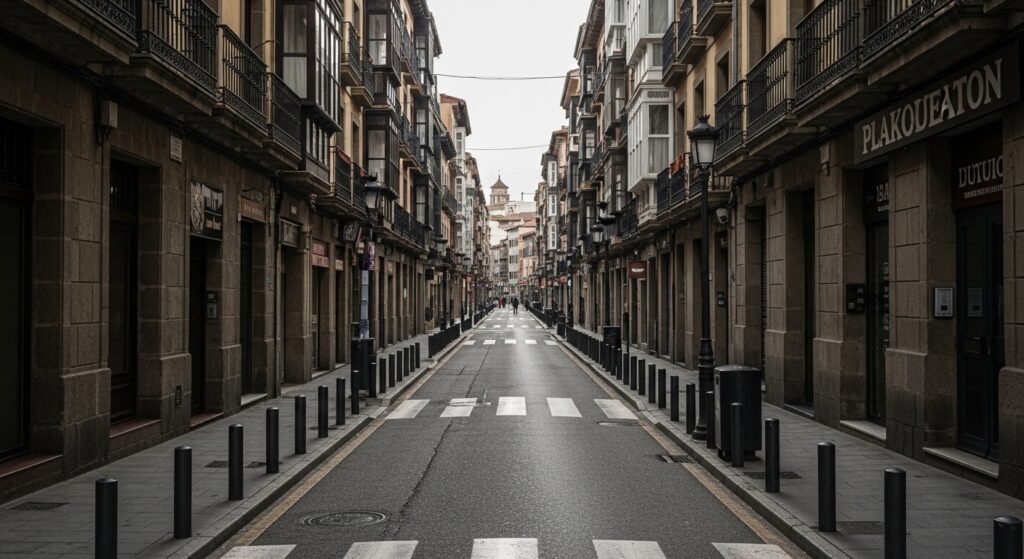
Pamplona is a very popular city where a dangerous tradition combines excitement and danger. The celebration might seem disorderly, but it is normally handled with respect to history and with a perception of collective accountability.
Cooper’s Hill, England
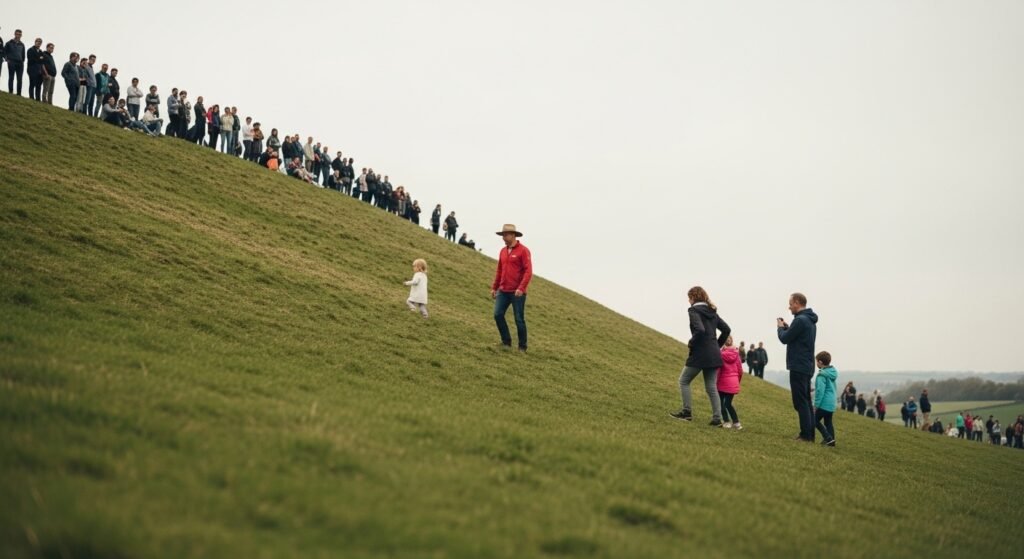
This is a little bit of land around Gloucester, which has frequently been spoken of as a hilly, steep, and curdling landscape. The participants occasionally pursue it and drive it downhill, and such scenes appear to be irresponsible, funny, and weirdly happy to the spectators.
Oaxaca City, Mexico
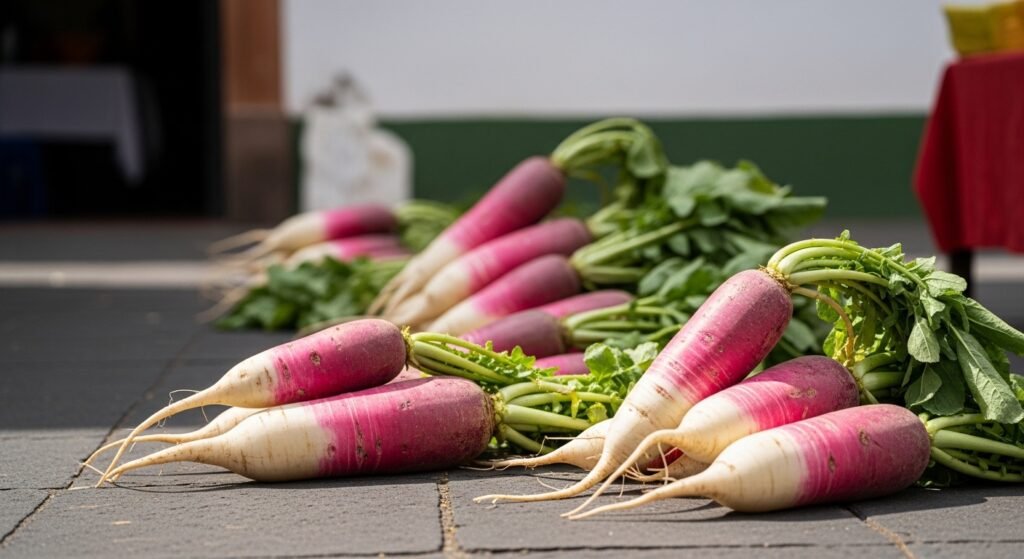
Oaxaca City has been associated with a festival of gigantic radishes. These vegetables are imaginatively presented and judged, making something banal a game, which shows the local pride and imagination.
Harbin, China
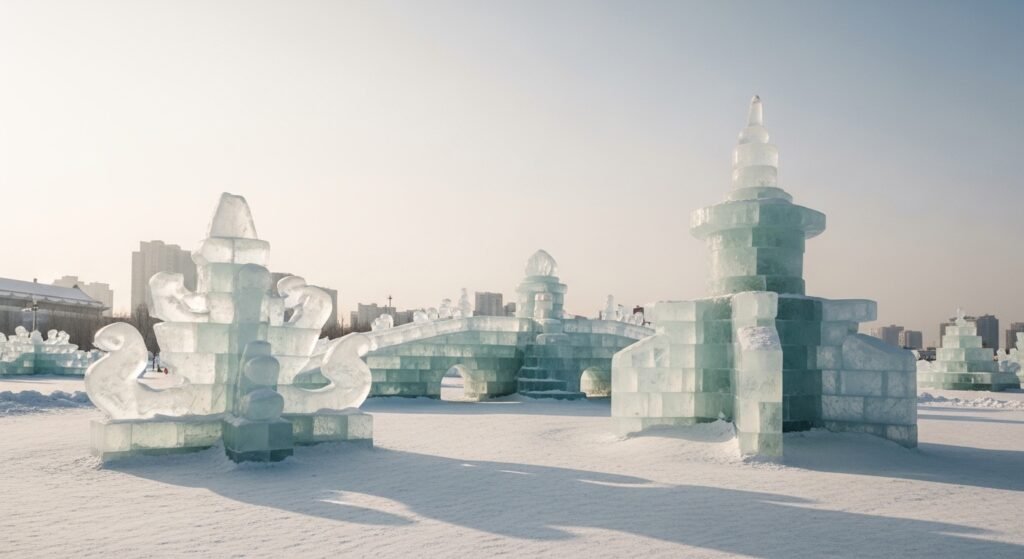
Harbin can be remembered as a cold winter place and a place of inventive ice sculptures. The cold season is made less cruel and more of an experiment in playing with the snow and ice, which are part of some of the traditions.
Elche, Spain
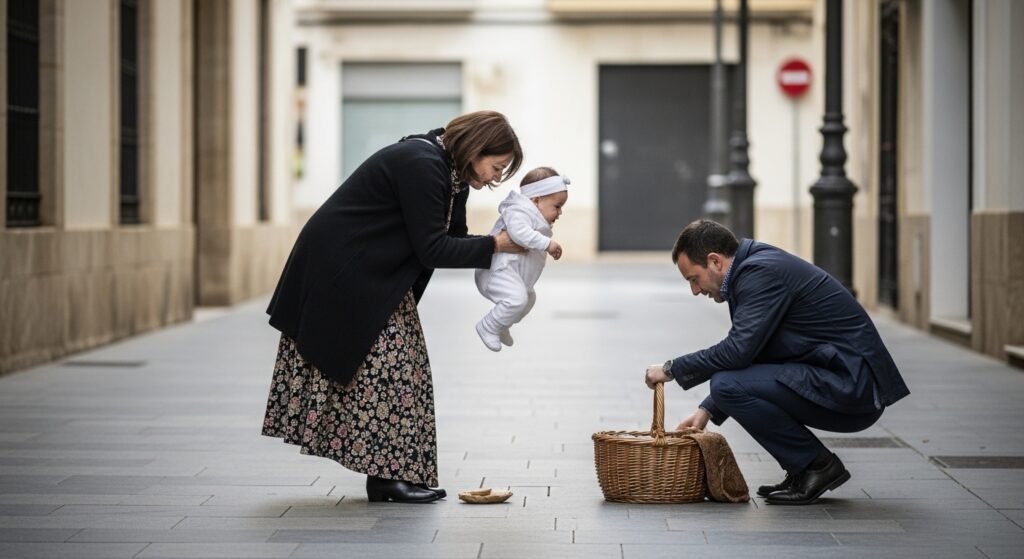
Elche is even related to a ritual of baby jumping to represent protection and rebirth. Although hard for outsiders, it is usually handled with softness and respect in society.
Kyoto in Japan
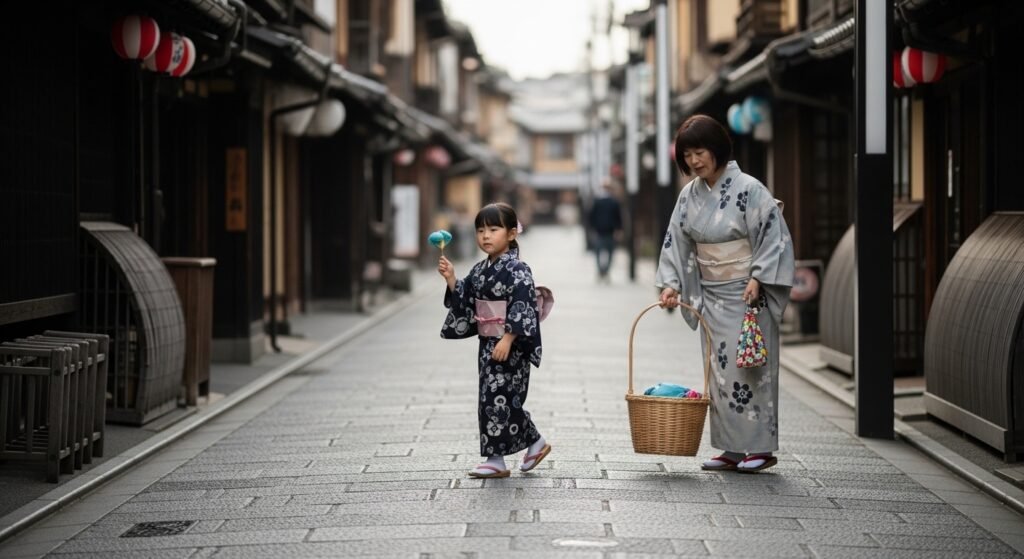
Kyoto is generally perceived to be serene, but there are occasions of some seasonal teasing and mischievousness. These traditions can be silent rebels against formality and still respect the cultural balance that has existed.
Boryeong in South Korea
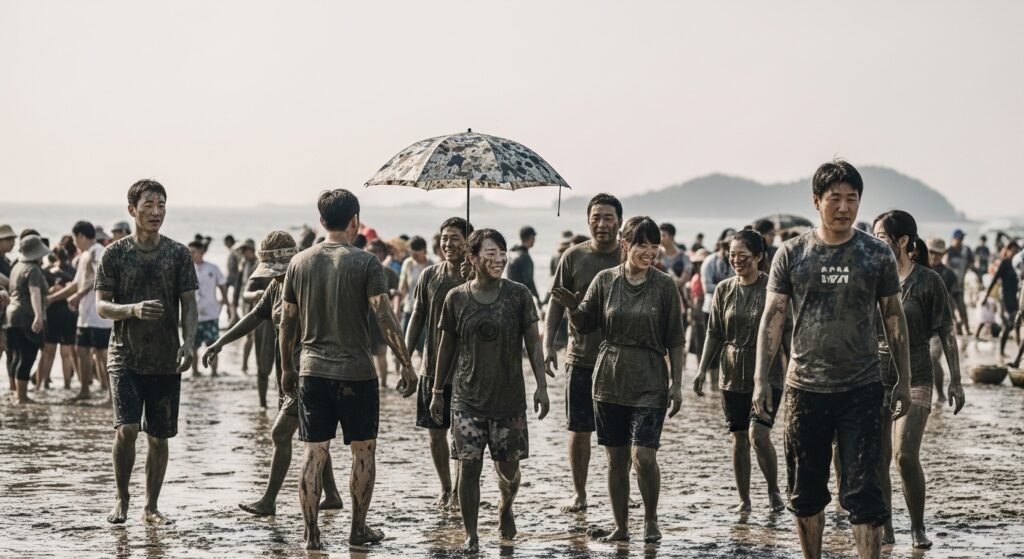
Boryeong can be referred to as a festival that is related to mud. Individuals can mar themselves in mud, and they embrace messiness in a manner that is liberating and communal as opposed to careless.
Basel, Switzerland
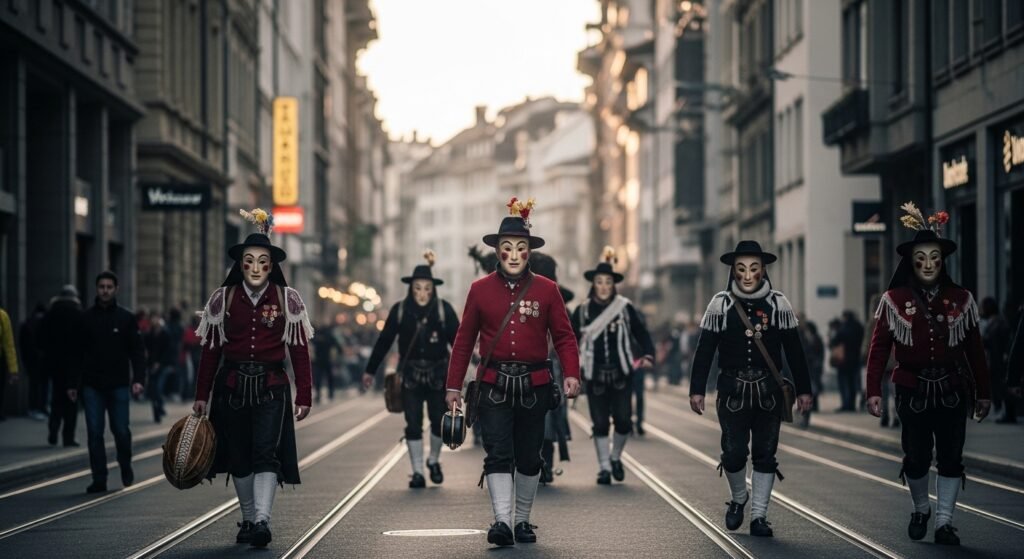
The Fasnacht in Basel is even referred to as controlled chaos. The city can be taken over by masks, noisiness, and pranking, which can be seen as a short-term escape from the routine without breaking any unwritten rules.
New Orleans, USA
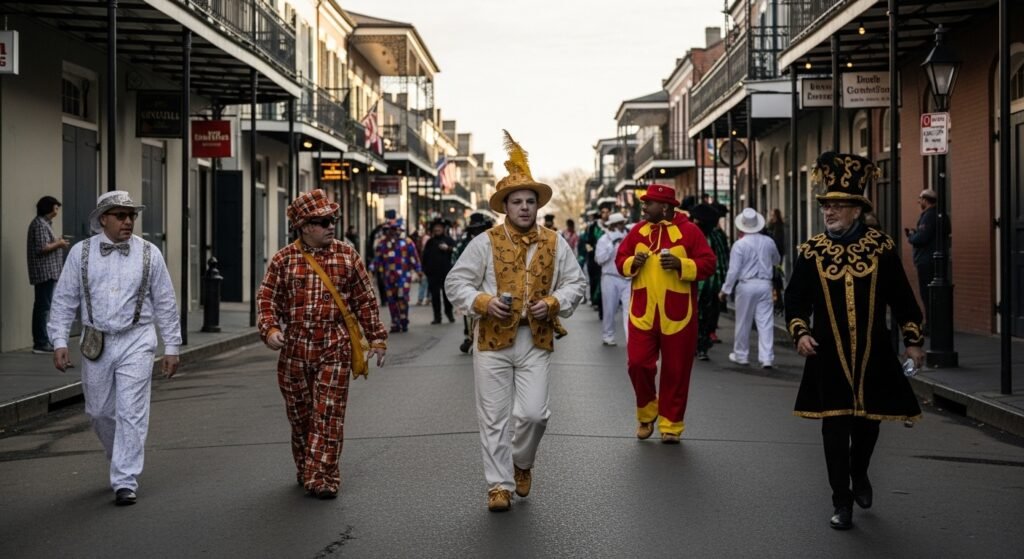
New Orleans is also regularly associated with lighthearted street culture, costumes, and processions. These may be moments where the boundary between the ordinary and the celebratory is crossed, making a sense of mischief, jocularity, and community.
