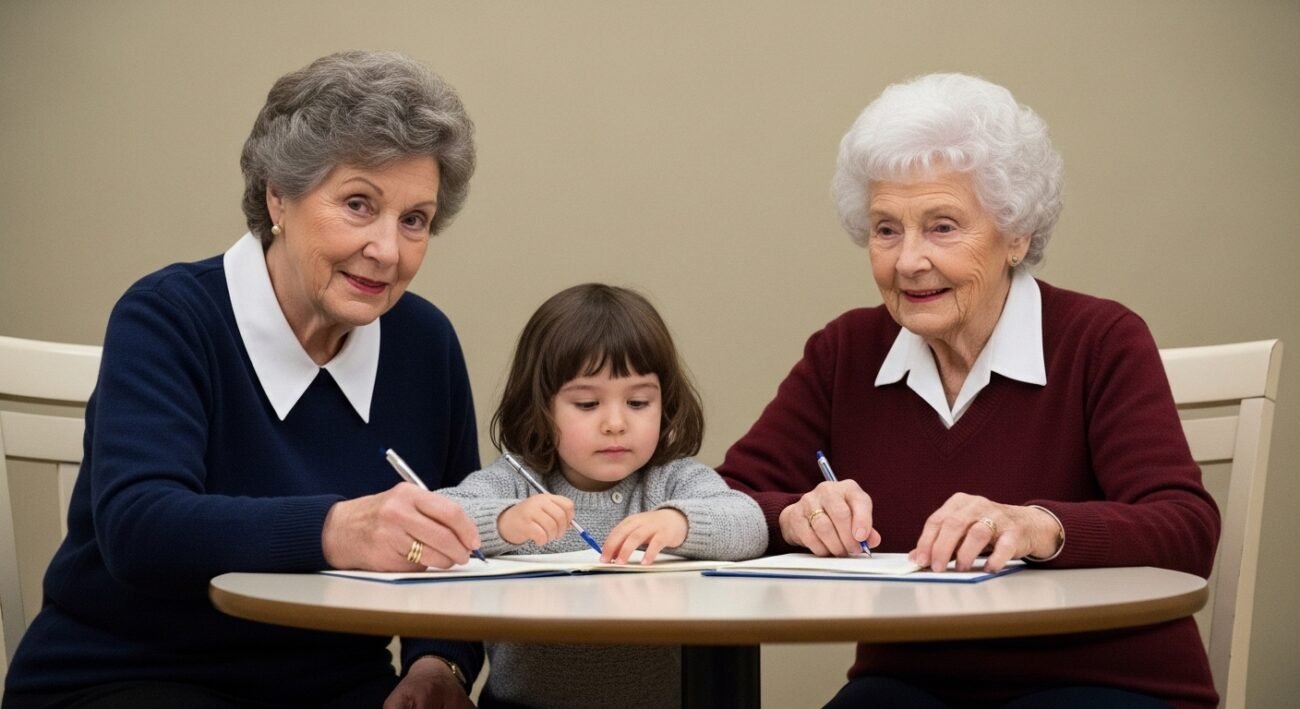
It is reassuring to scroll back and see the ordinary times that were once commonplace. To a great many baby boomers, recollections are associated with slower lifestyles, common noise, and common experiences that defined everyday life. These thoughts usually feel cozy, not yearning, and remind individuals of the way relationships, routine, and the simplest joys just fell into place. It is not necessarily the possibility of wanting the past to come back, but of valuing the fact that the past affects the present. Present in the customs of the house and the customs of the neighborhood, these memories may seem both deeply individual and broadly shared. They still evoke smiles, talks, and a familiarity that is unspoken but generates a cross-generational understanding.
Letters by hand were time-consuming
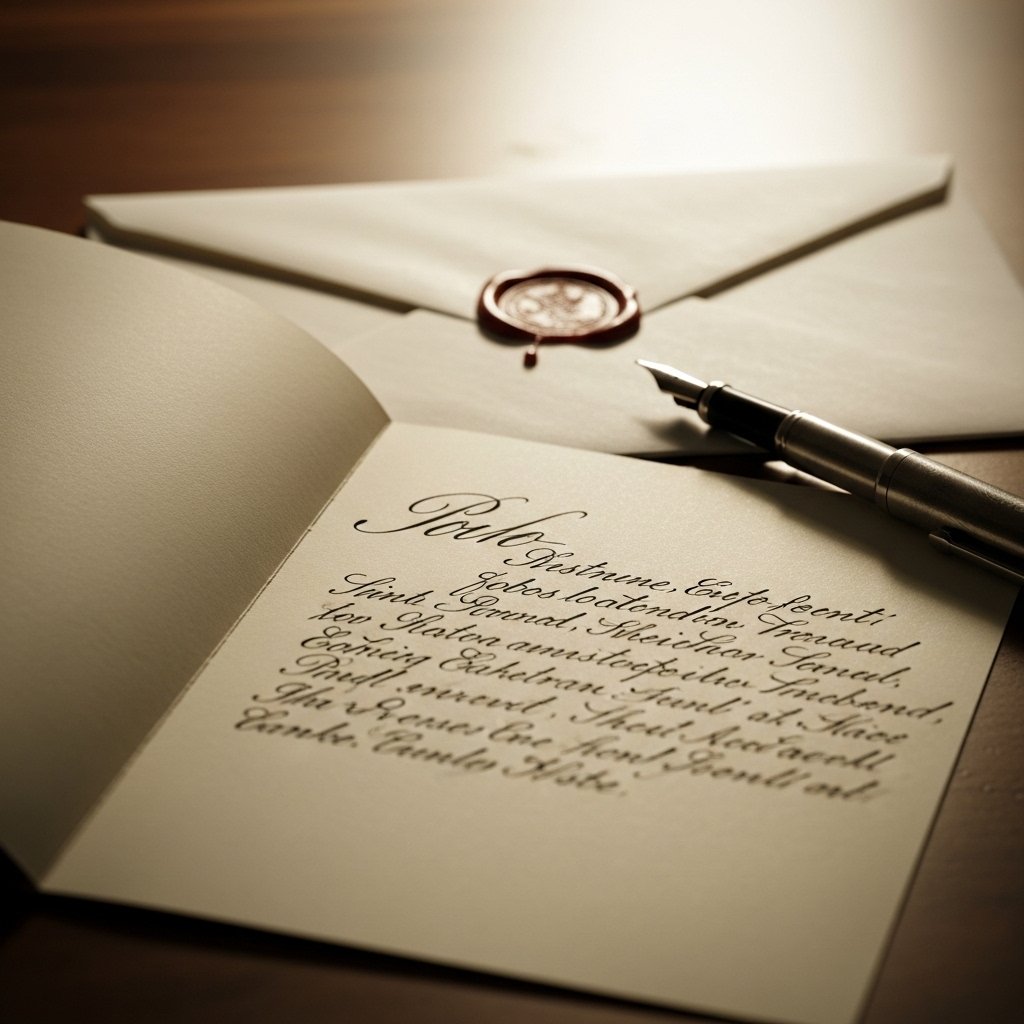
Sending a letter by hand used to be like an appreciative reflection amidst the hectic world. The waiting, the choice of words, and the personal touch of handwriting usually made the messages significant, as though every envelope brought patience, care, and real attention.
Rotary phones and familiar numbers
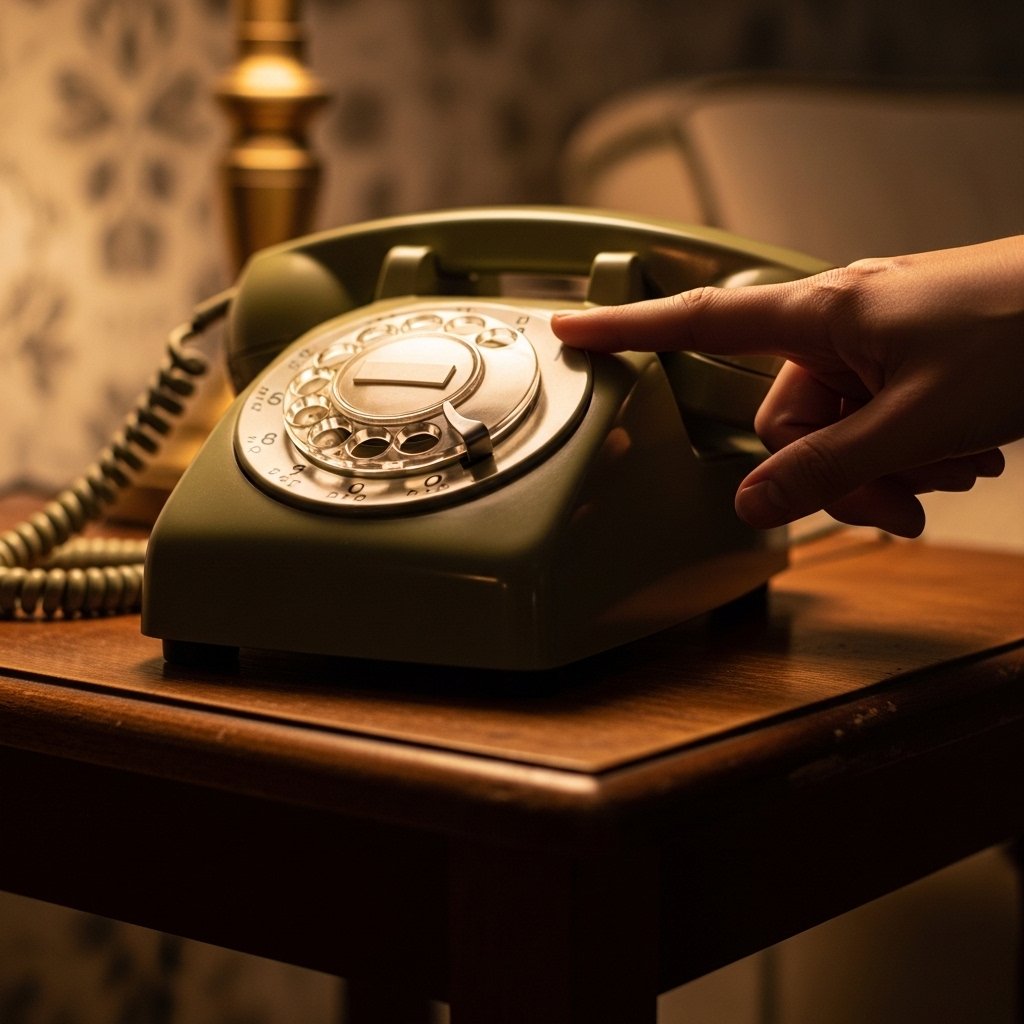
One had to intentionally remember to dial a phone. There are still a great number of people who remember what it was like to have known crucial numbers by heart and to hear the clicking dial come back. It could have made the conversations more intentional and not in a hurry.
Evenings around the television
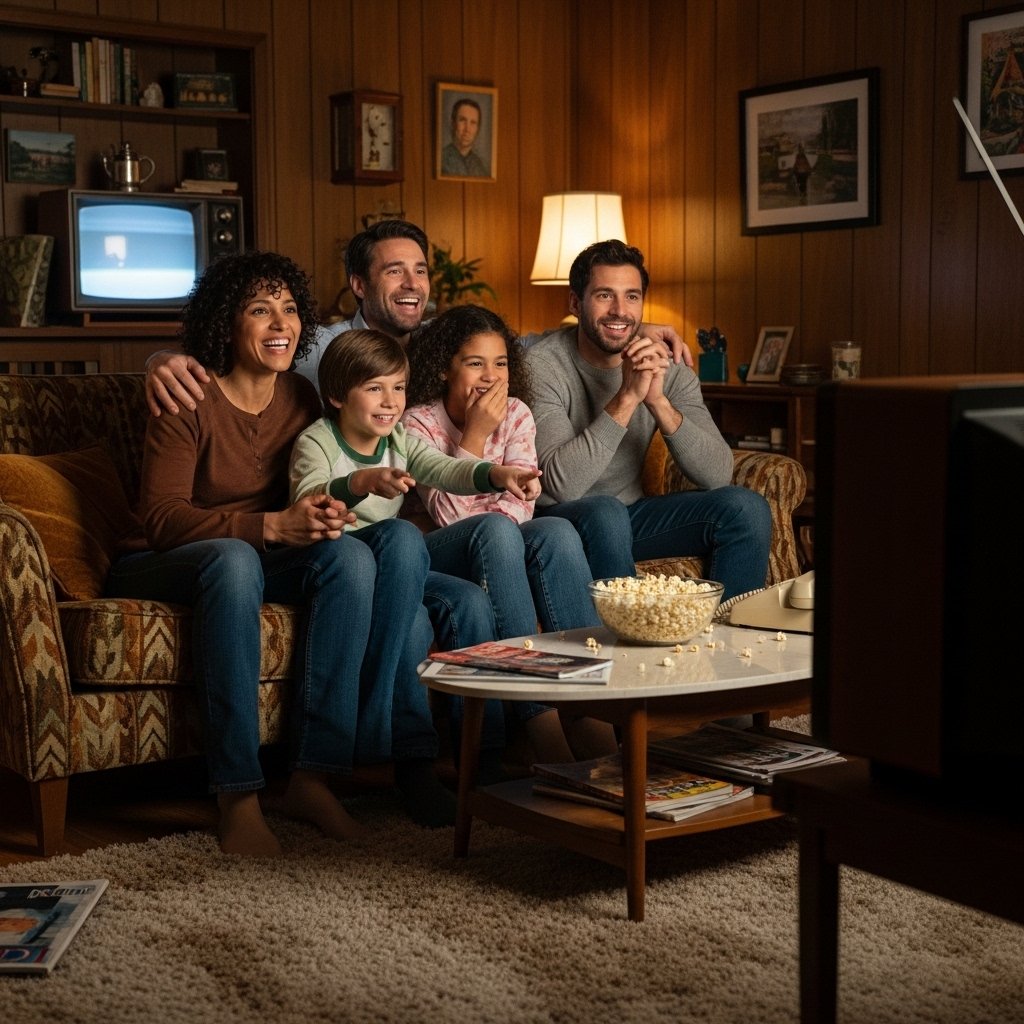
Television used to bring the families together at a particular time. It was usual to have families react and have silent laughter as they watched the same television shows, and this gave them common memories that were not personal or repeated over and over again but common and therefore shared.
Breakfast with a printed newspaper
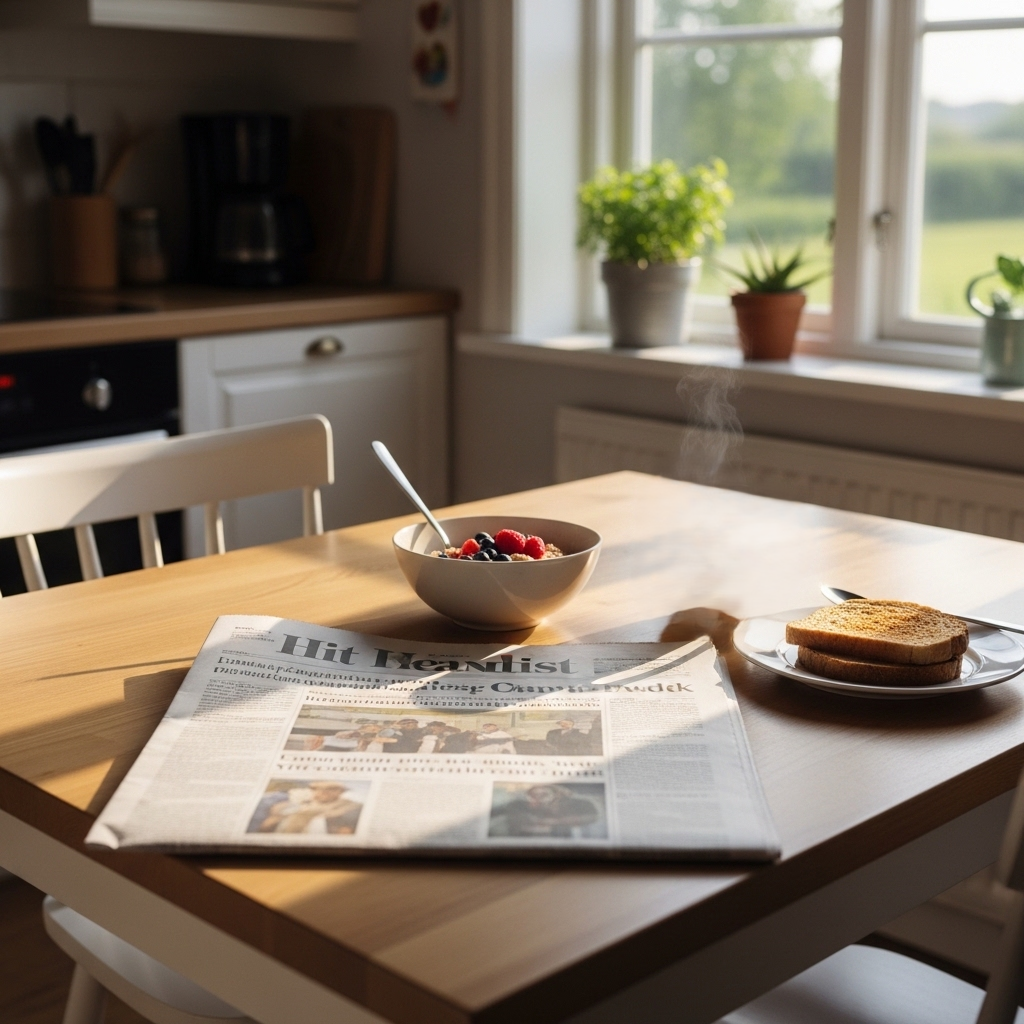
The morning paper may become a daily routine to read. The clicking of the page and reading of headlines were soothing in starting the day, as people took time to absorb the news first before getting into their daily lives.
Road trips with paper maps
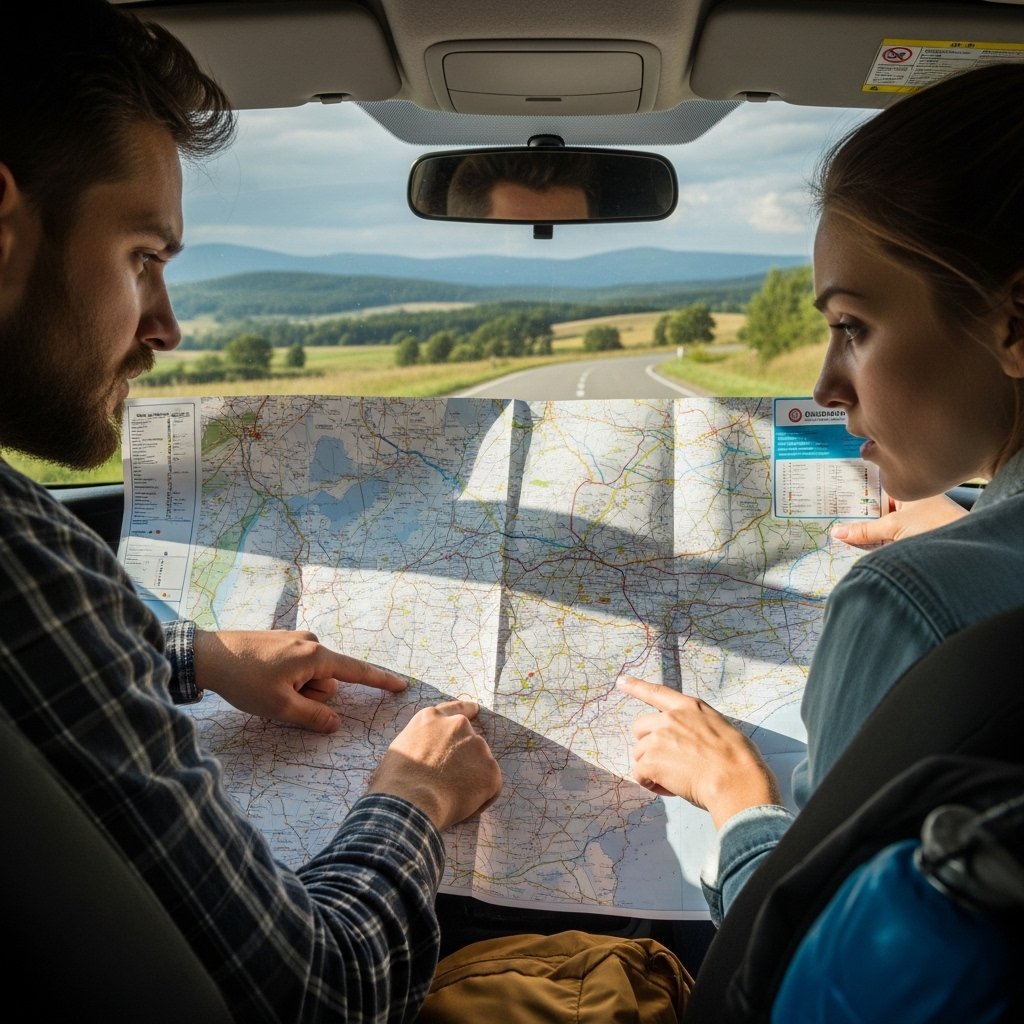
Trip planning used to involve the use of huge maps as one traced a route manually. Being a little lost here and there was even part of the adventure and made traveling a collective experience, with a new direction being formed by conversation and interest instead of by directions.
The neighborhoods that felt like communities
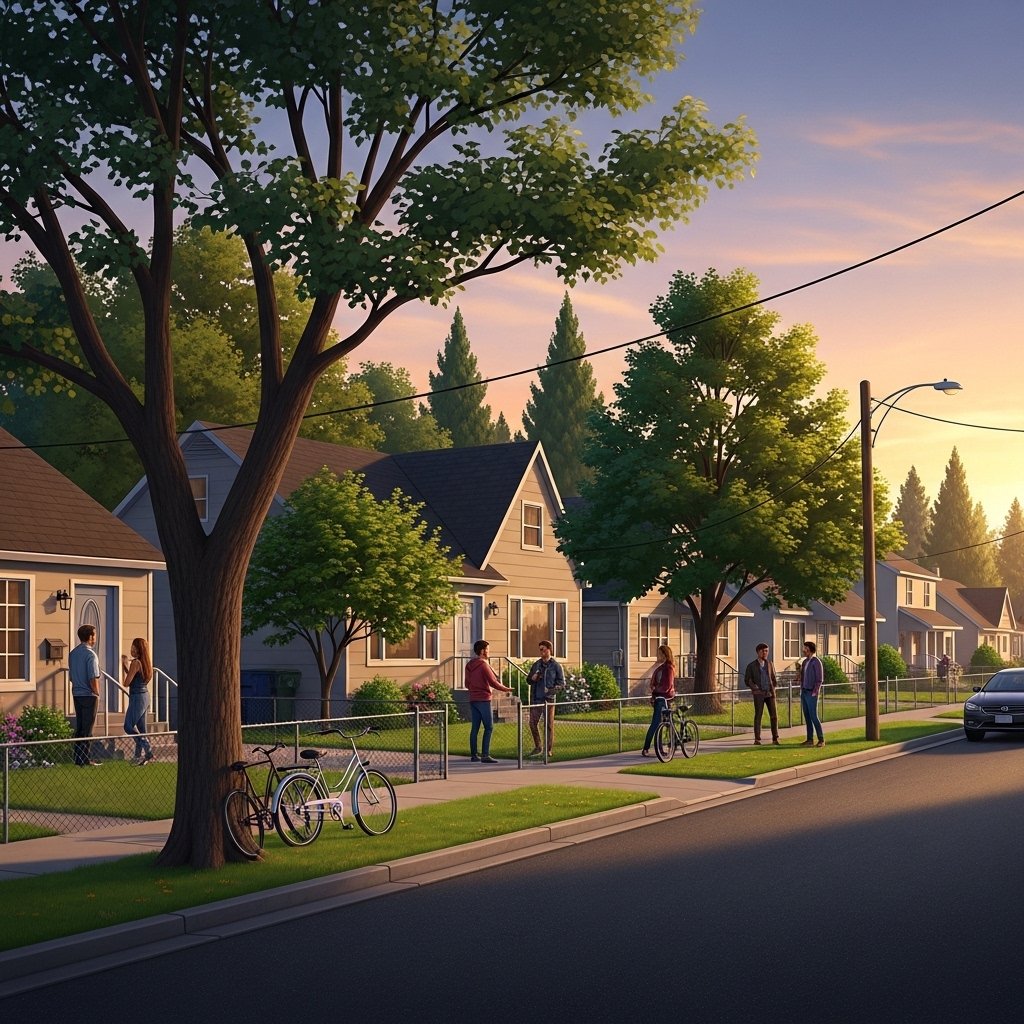
Most of them recall that they knew their neighbors too well to greet them and do little favors. Some of the casual conversations and faces would make one feel part of things, and that seemed natural and reassuring in normal life.
Repairing things, not throwing them away
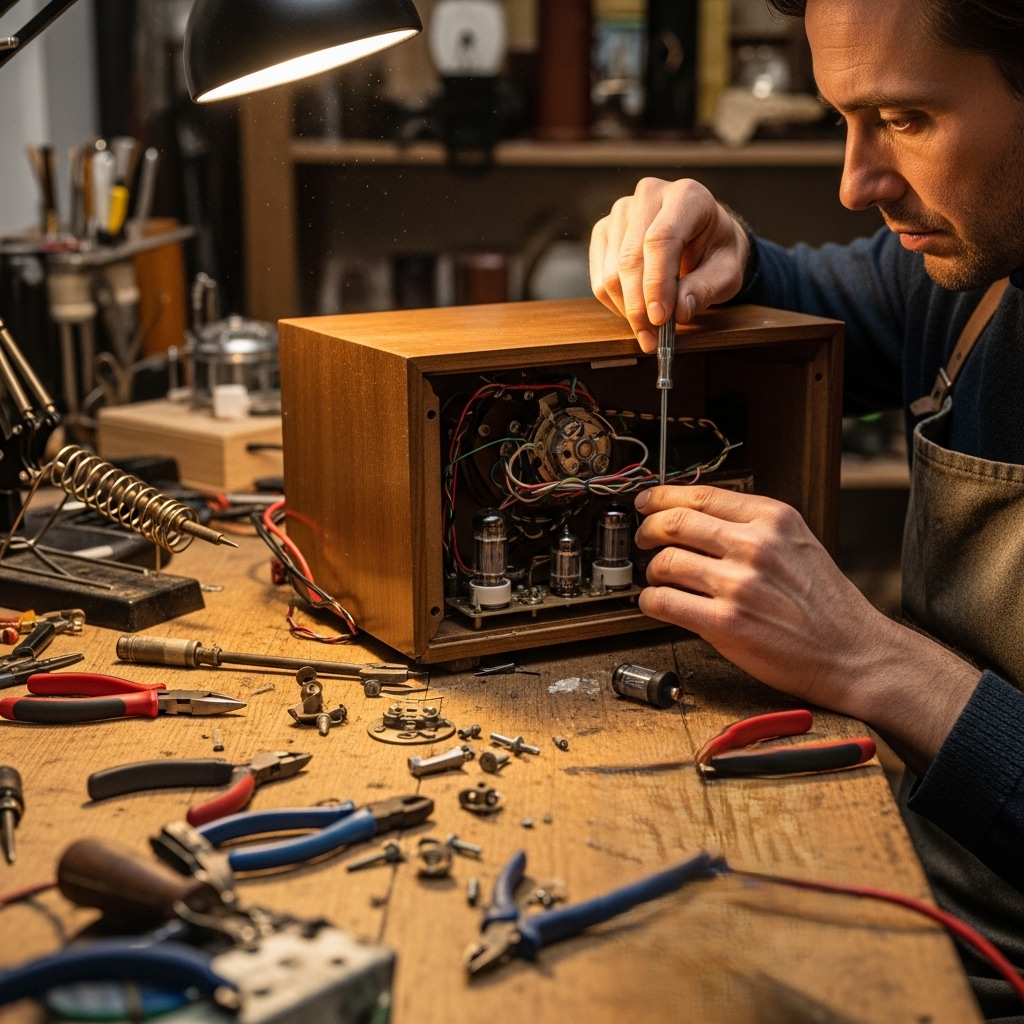
It was a practice to repair the household items. Knowing how it works and spending time to mend things can foster patience and pride as well as give stories about labor instead of instant substitutes.
Photographs you could hold
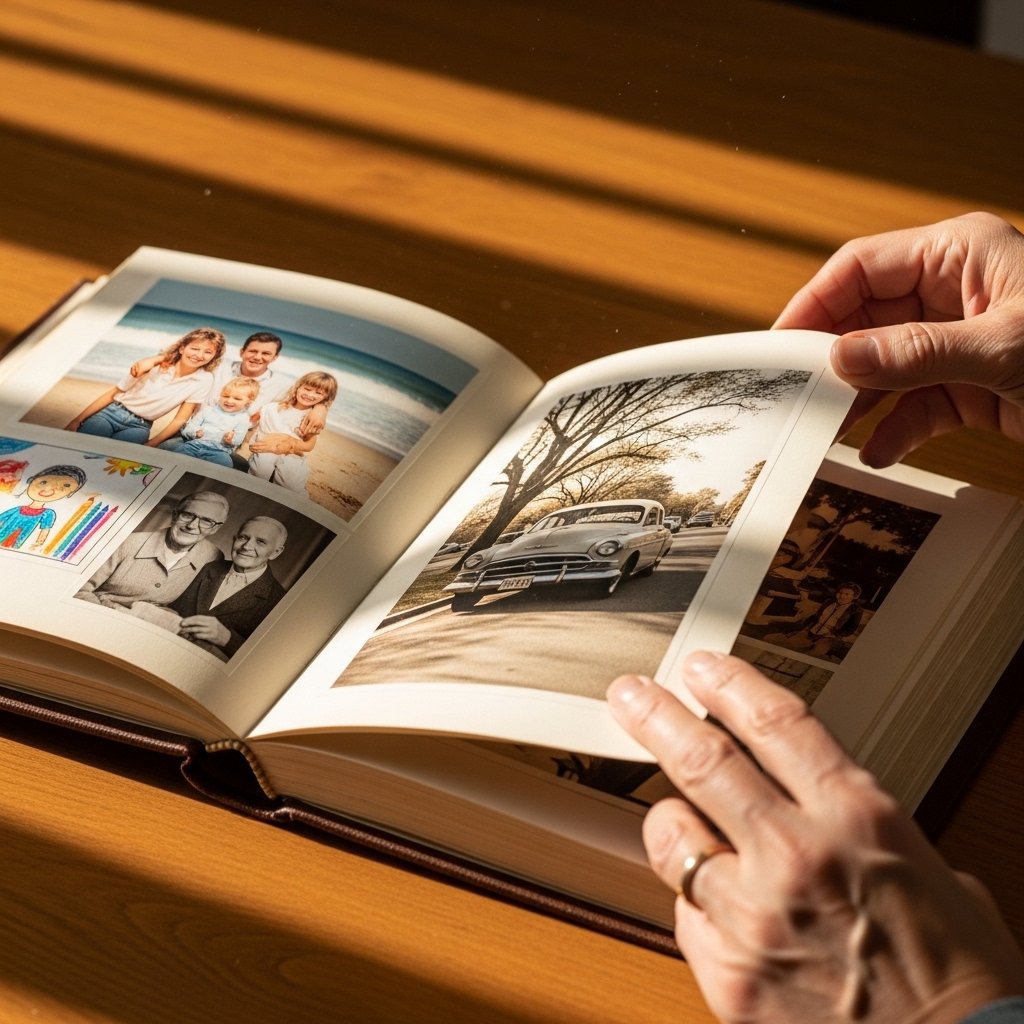
The hard copy photographs were tactile. Browsing through albums also meant that the memories were going to be unraveled gradually, and any picture appeared to be valuable simply because it was physical and no one had done anything to damage it after so many years.
Library card catalogs
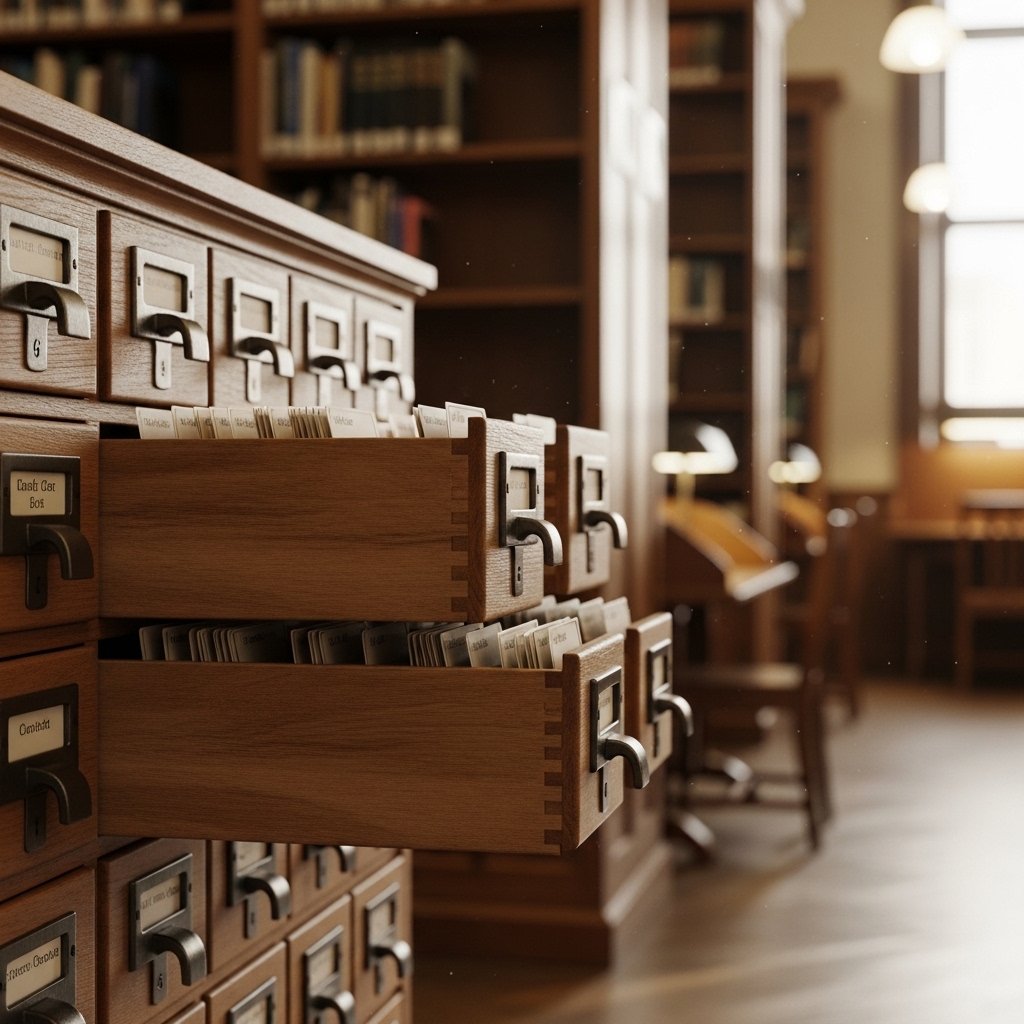
The process of seeking books by the use of drawers of cards was a mini adventure. The procedure led to window shopping and an unexpected finding and provided a silent gratification that was a result of patience and some form of curiosity.
Saturday morning cartoons
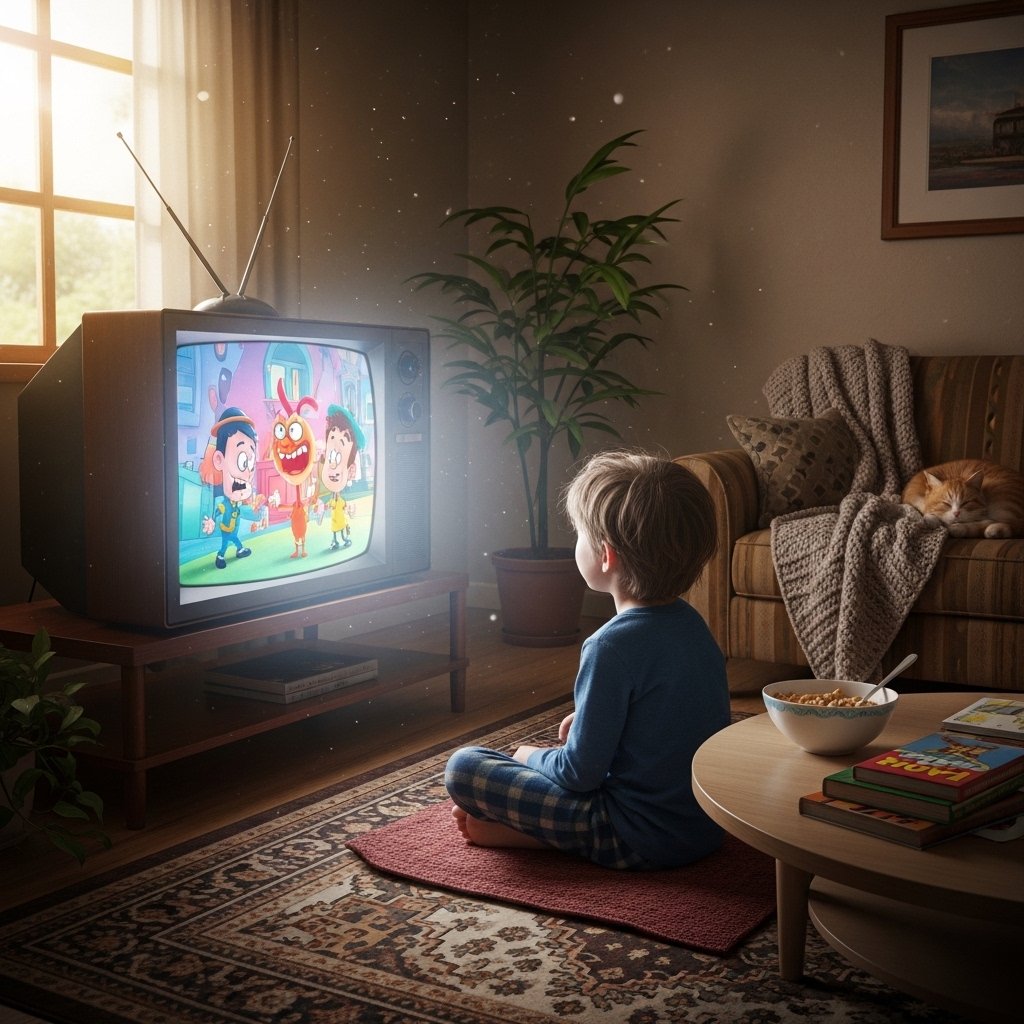
Mornings on weekends were generally comforting. Early mornings with cartoons seemed to be a special treat, as close to a reward as possible, and the memories of waiting and just having a good time with unplanned time.
Home-cooked recipes that passed along
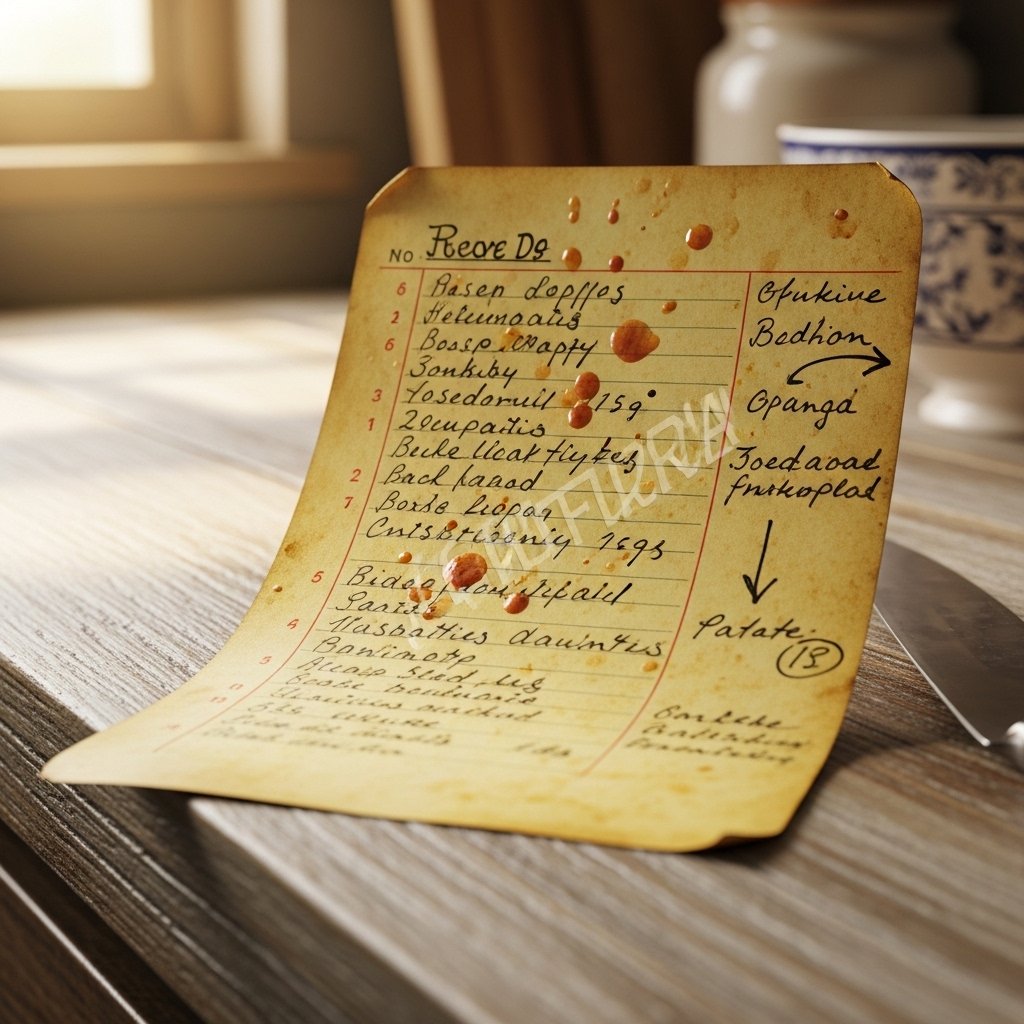
Family history was carried on cards or scraps of paper on which recipes were written. Making something out of them would be like a continuation of a tradition, where little handwritten notes and changes would be the story behind the food.
