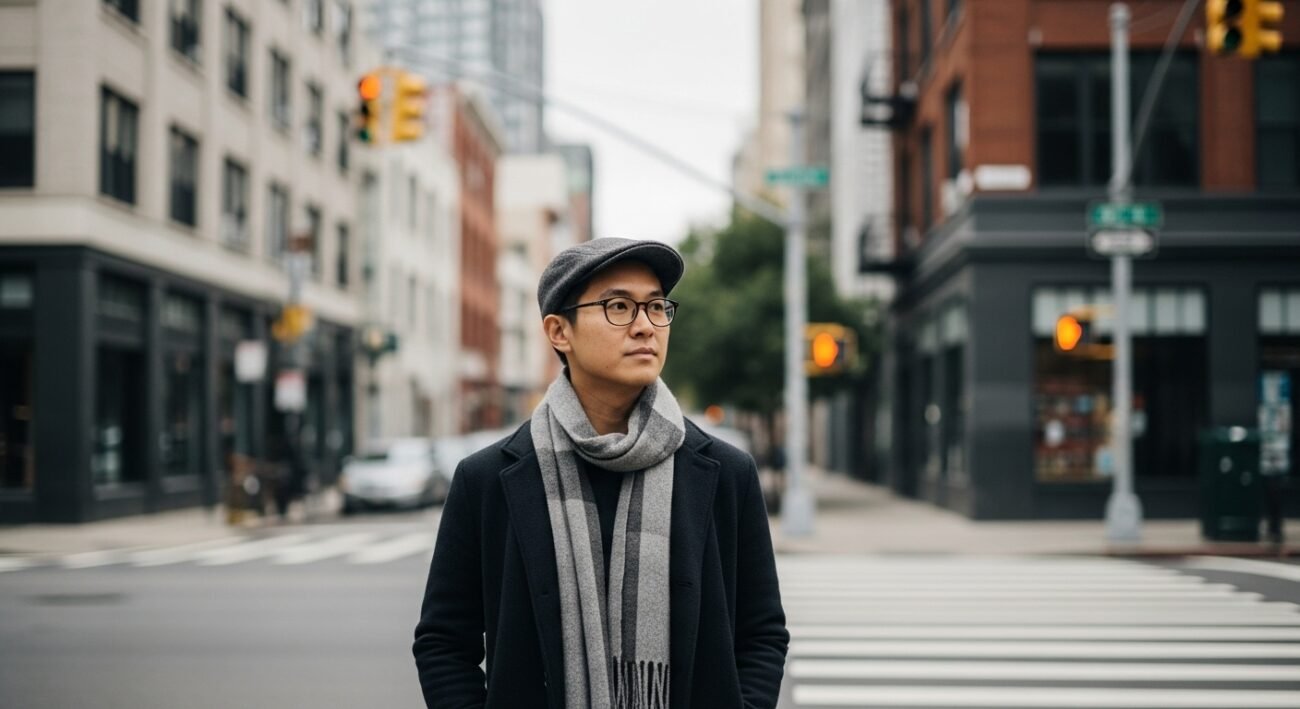
Where people move and worlds touch, life unfolds differently now. Standing still isn’t an option when cultures cross through city streets, online chats, or family roots shifting. Who you are grows tangled with where others place you. One moment feels exciting. The next brings doubt. Strength shows up quietly beside uncertainty. That mix sits heavy yet real. This makes us wonder: what parts of who we are belong to the culture we were raised in? Building an identity that holds many roots together – staying true throughout – is the real challenge. These moments often reveal more when they’re not rushed or forced. Sometimes it helps to simply listen before offering any conclusion.
Culture Provides the First Mirror for Identity
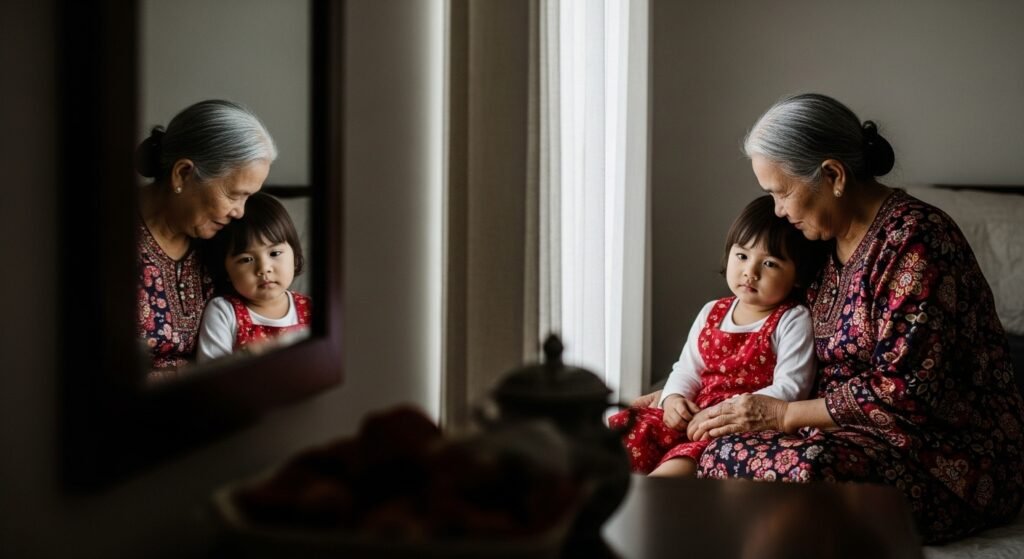
Right from the start, culture becomes the first thing children see when they look at who they are – through words they hear, traditions at home, meals shared, and tales told. That early reflection, like standing in front of a quiet pool, forms lasting ideas about what matters. Once you notice this base, moments hit harder when something shifts; it’s like peeling layers off something familiar, almost sacred.
Bicultural or Multicultural Lives Create Hybrid Identities
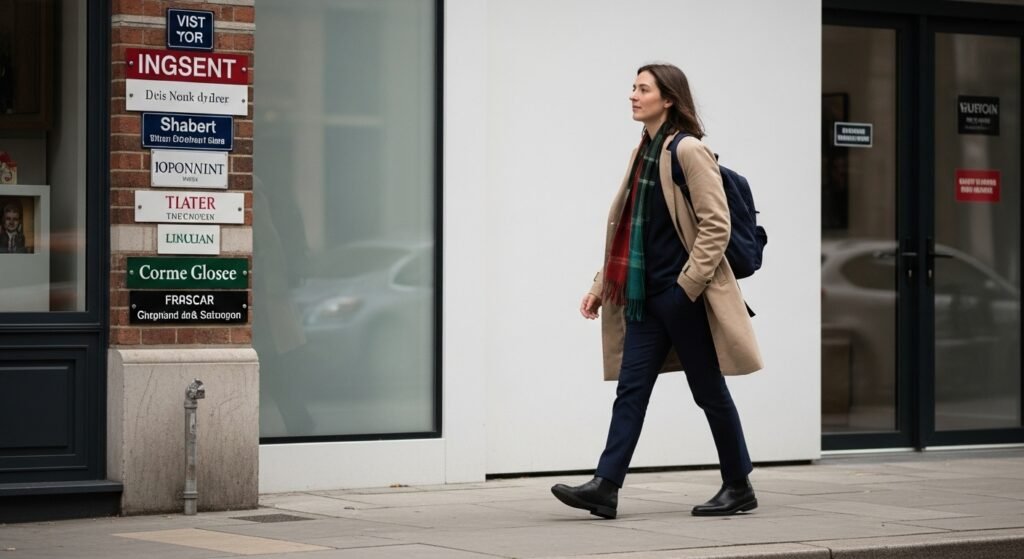
Living across cultures isn’t rare these days. Some grow up in one world, then shift slowly into another. Shifting back and forth shapes who they become, mixing tools from different lives. People tend to grow flexible, inventive, even sharper when navigating such boundaries. One moment you lean on logic, next feelings take charge – suddenly tension becomes a source of depth.
Globalization Accelerates Identity Negotiation
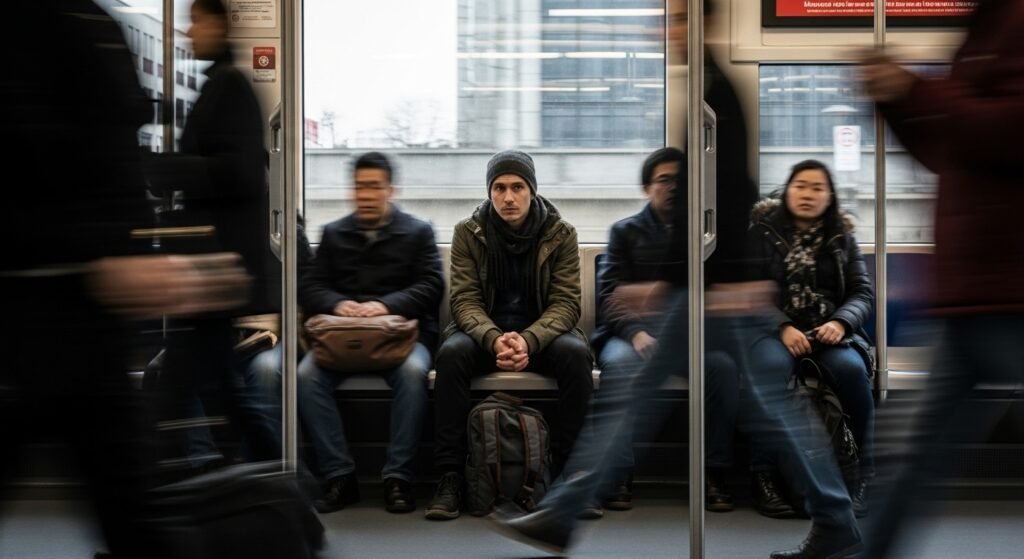
Out in the world, moving from place to place, scrolling through feeds, catching tunes on buses – all of it piles up in ways we didn’t expect. Each encounter becomes less about roots and more about balancing choices while simply being. What stays. What goes. Identity shifts when held against now, losing fixed roots for livelier versions tied to changing times.
Intersectionality Reveals Overlapping Layers
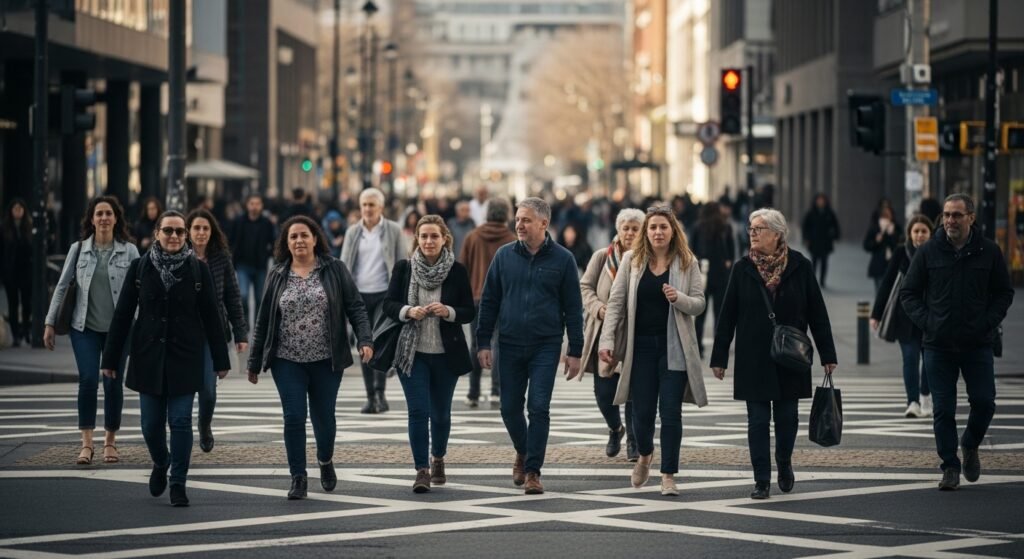
Few things shape who we are alone. Where race fits matters less when mixed with how gender shows up in daily life. Class steps in, then sexuality tags along, each twisting through religion like old river bends. Seeing intersectionality changes how we look at paths, bringing more care and awareness. It shapes views of self and others differently.
Normative Conflicts Arise in Bicultural Youth
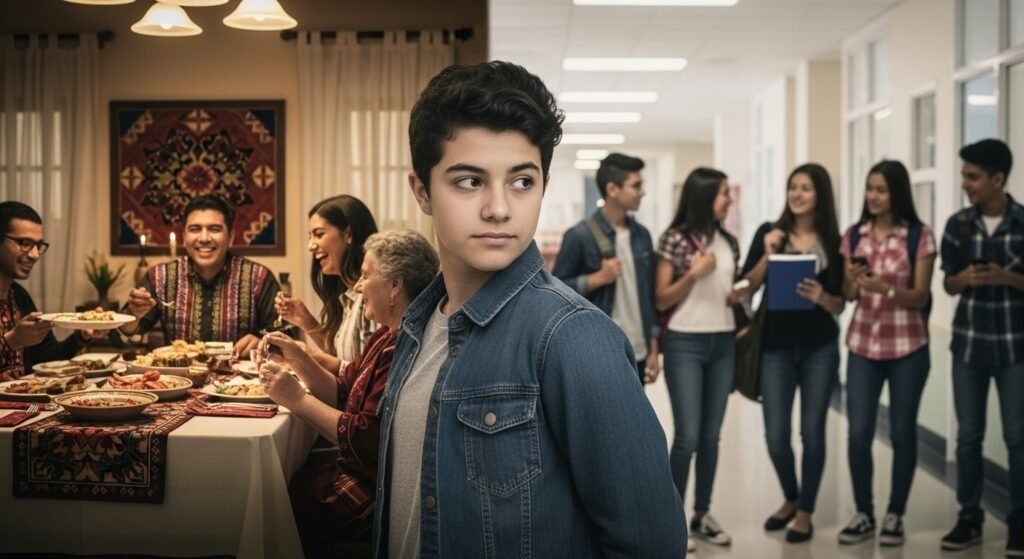
People born to immigrant parents might feel pulled in different directions. Culture at home may stress certain values, while schoolmates expect something else. This push between roots and surroundings isn’t rare – it’s real. Facing such gaps isn’t strange; it’s ordinary. Strength shows up when layers of identity meet, not apart.
Art and expression link people at the crossroads
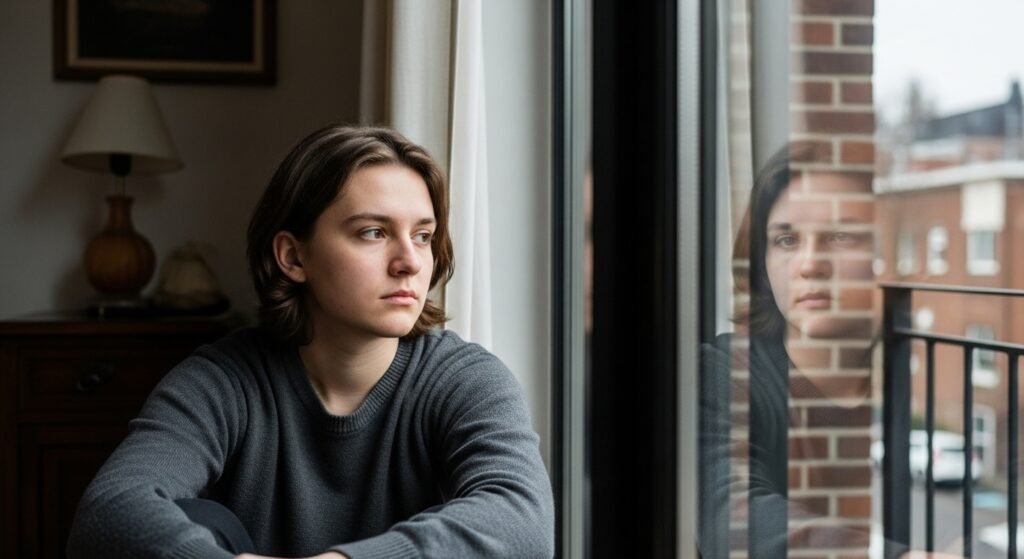
Here is where creativity tends to grow – not just in words, but through songs, drawings, movement, or tales. Art becomes a way to wrestle with society’s divides, honor roots, question standard behaviors, or live between places. When someone encounters or makes this kind of art, it opens space to reflect on who they are, while private moments gain wider meaning.
Belonging Emerges from Choice and Community
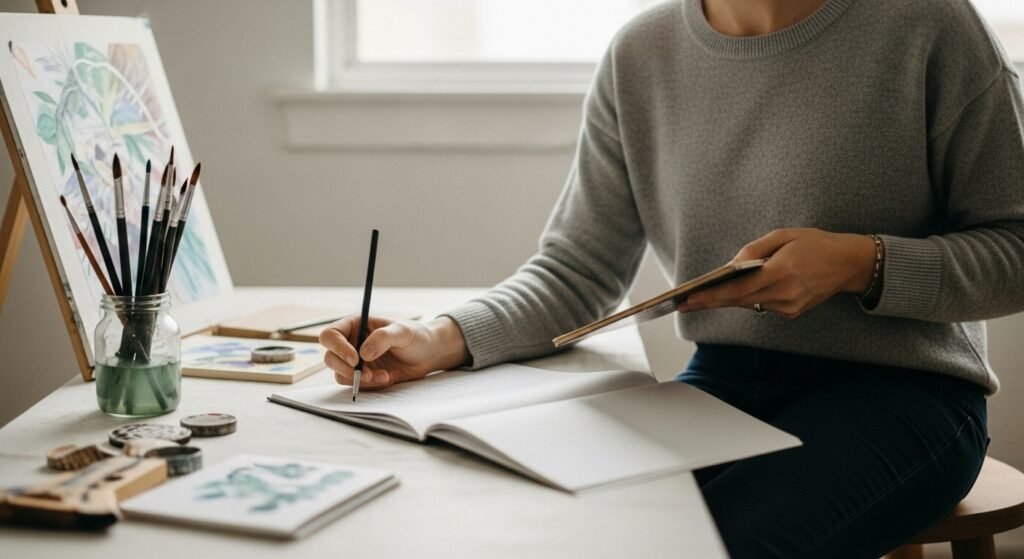
Standing between worlds, real connection doesn’t just happen – it grows. Honoring some cultural pieces becomes part of the process, while letting go of others fits naturally too. Communities form when people see more than just one version of you. Relationships take shape where different parts of identity fit without apology.
Self-Acceptance Unlocks Freedom and Growth
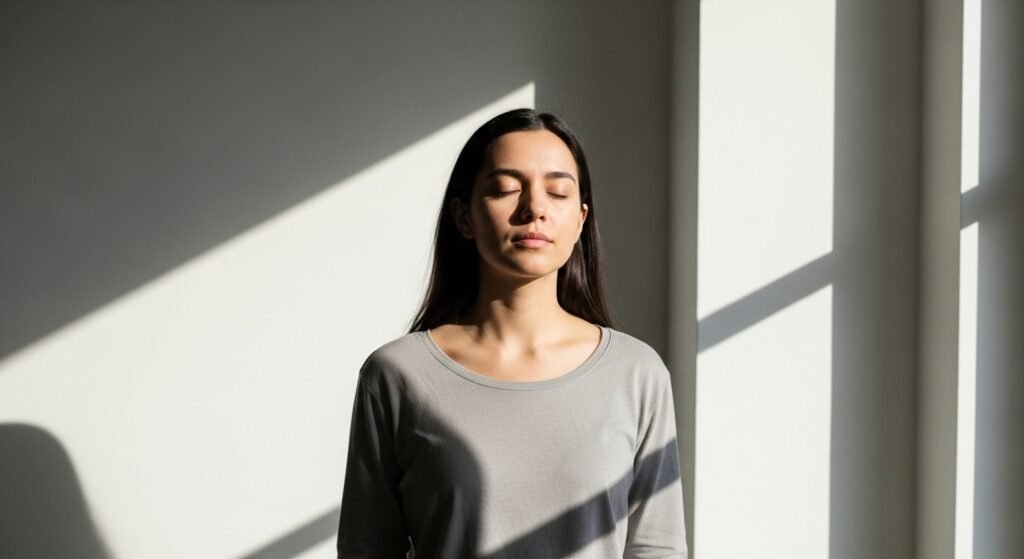
Standing at this meeting place, the real gift shows up in knowing yourself truly. Your identity matters, no matter how many labels it refuses. That kind of release makes room for authentic voice, richer bonds, change without rigid plans. Once you welcome your own complexity, others receive similar permission. Spaces grow wider when everyone gets to be fully formed.
