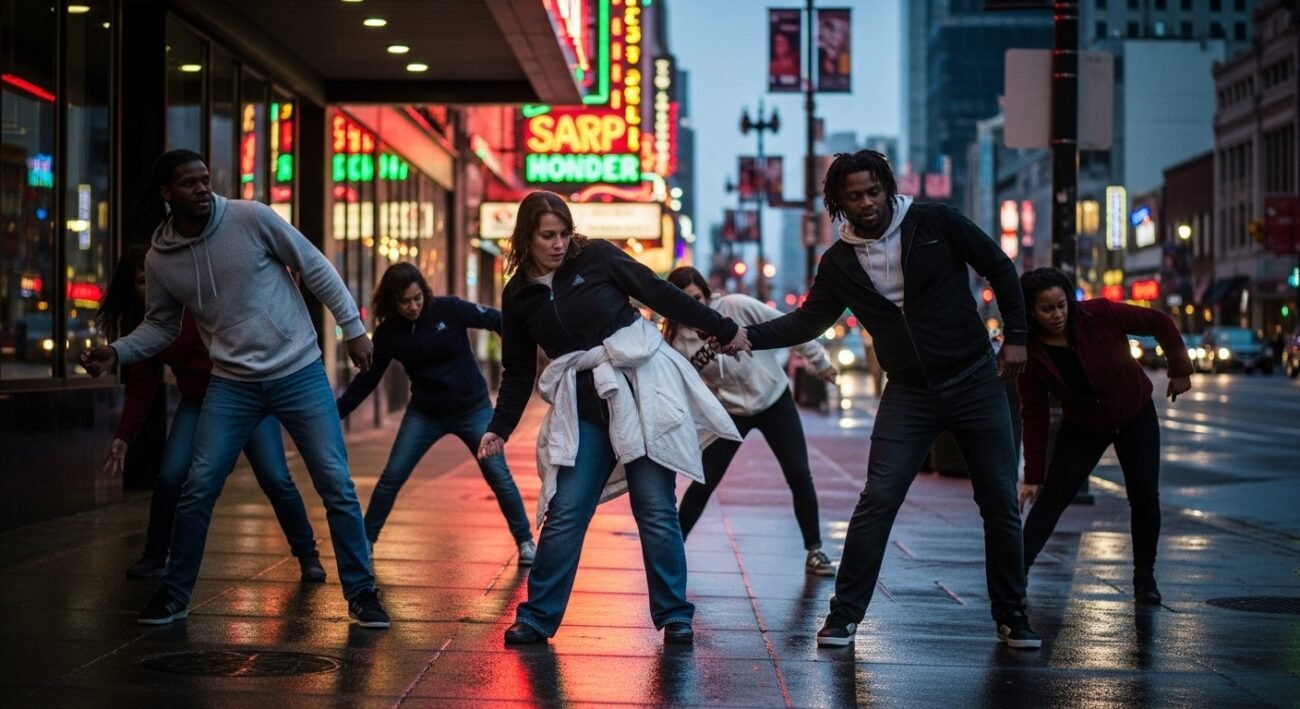
Back on busy streets, rhythm and motion first sparked shared energy across cities. On world-renowned stages, voice and body keep shaping personal truth through shared feeling. Identity pulses alive here – shaped less by theory, more by constant reinvention. Each generation reshapes it, never copying, always reimagining what moves us.
African Roots Laid the Foundation
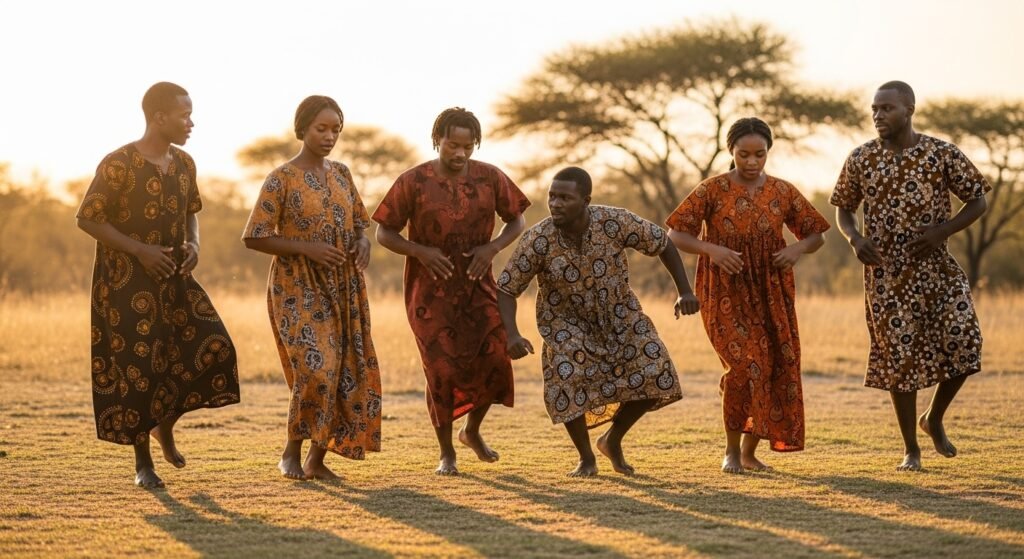
Out of Africa came rhythms that shaped many U.S. dance roots. Storytelling flowed through movement, bodies moved together, beat after beat built a path forward – dance changed because of it.
Out of jazz music came jazz dance

When jazz took off around the 1900s, it sparked lively dance styles full of spirit. Noted for sharp beats, spontaneous steps, and strong motion, this genre moved with urgency. Its presence reshaped the way people danced on stage.
Swing and big band music filled dance floors
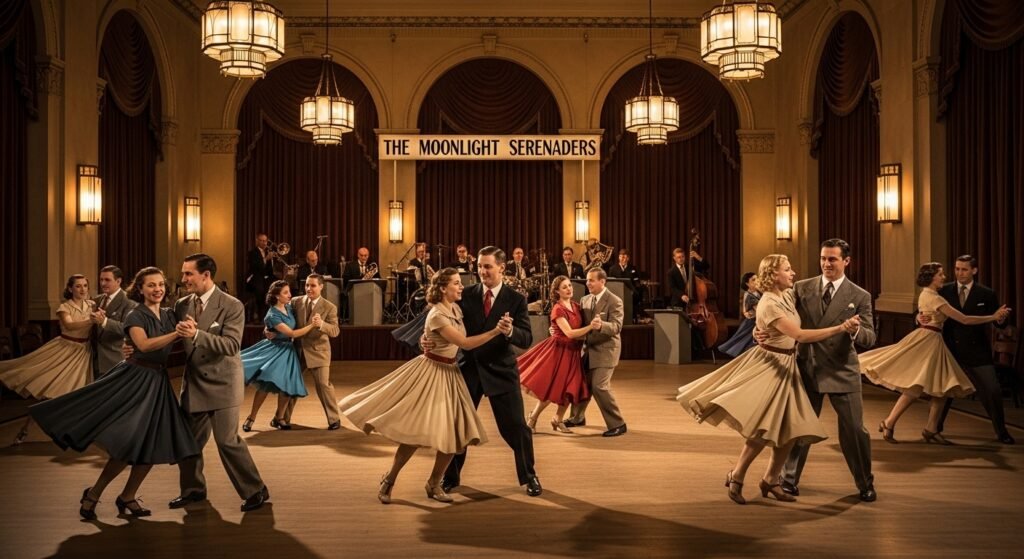
Back then, in the heart of the swing age, tunes turned gatherings into something alive. People moved as one – bodies swinging – to rhythms like Lindy or jitterbug, driven hard by jazz bands blowing loud. Hard years passed, yet for moments, strife faded under flashing dance lights.
Hip-Hop Redefined Movement and Sound
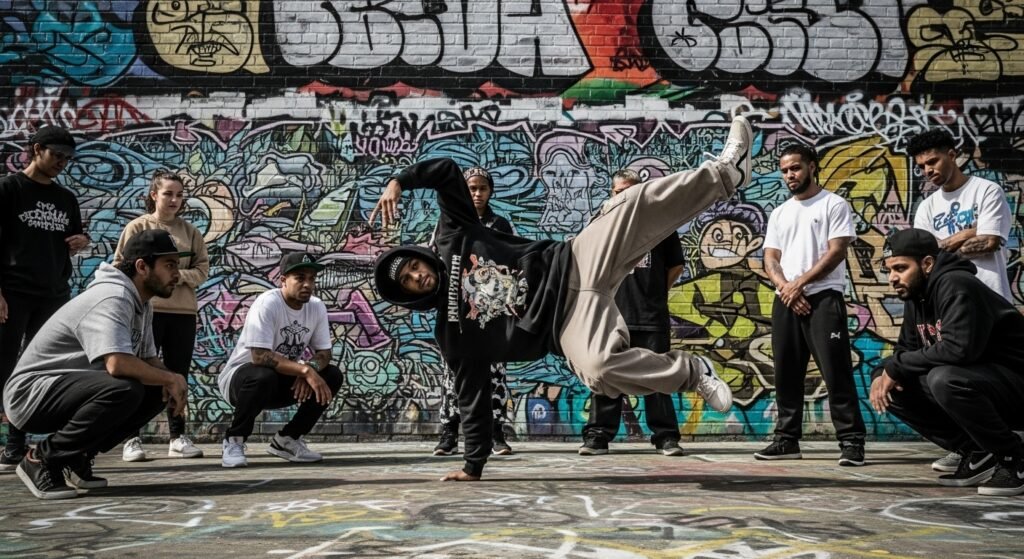
Out of the streets came movement – dance stepped beside rap, shaping both. Styles like breakdancing, popping, locking – not just sounds – took form alongside turntables and rhymes, letting people speak through motion. Expression turned fierce, sharp, real.
Disco Turned Dance into a Lifestyle
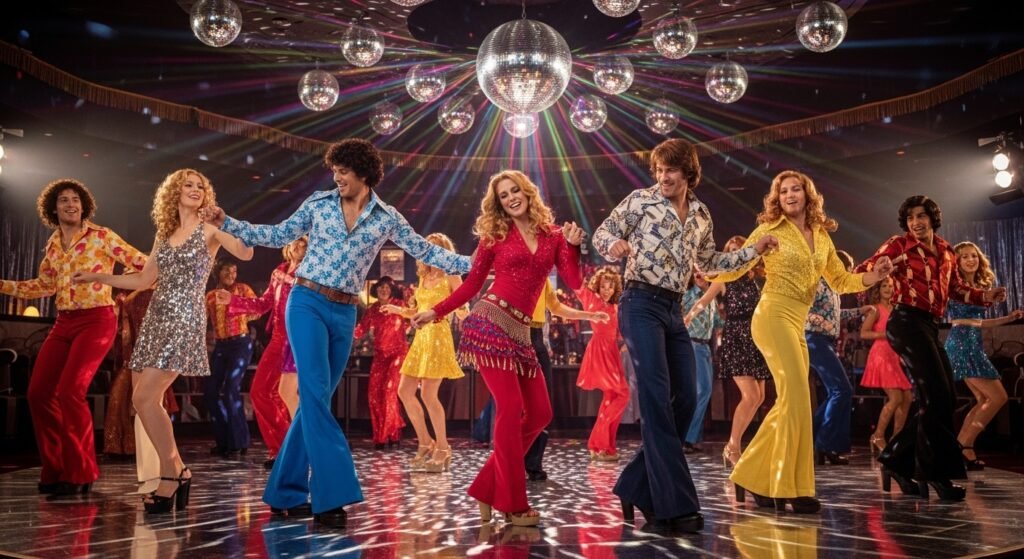
Out of the darkness came dance, lit up by disco’s rhythm pulse. Nightclubs hummed as people moved together, dressed bold, feeling alive. Beats repeated again and again, giving everyone space to let go. Glittering lights above the floor turned strangers into sharers. Movement spoke louder than words that night.
Music Videos Changed How Dance Was Seen
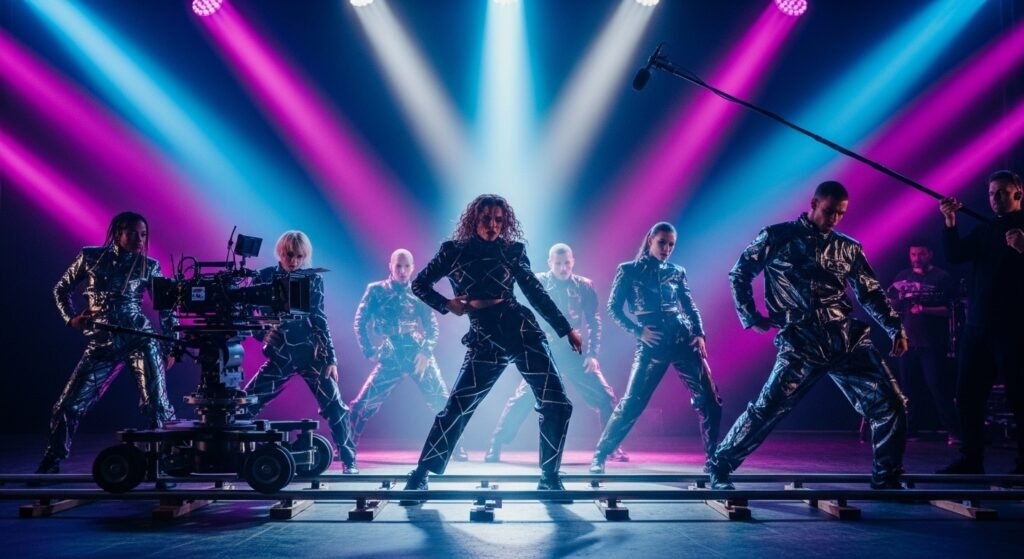
Music TV grew, bringing dance into the spotlight through moving images. Not just sound – choreography became a signature trait for stars, pushing new moves swiftly from coast to coast.
Pop Music Made Choreography Universal

Famous pop music played on tight rhythms, pulling crowds into simple choreography. Movement from songs spread fast – classrooms copied steps, friends rehearsed them late, dance floors held quiet attention.
Social Media Accelerated Dance Trends
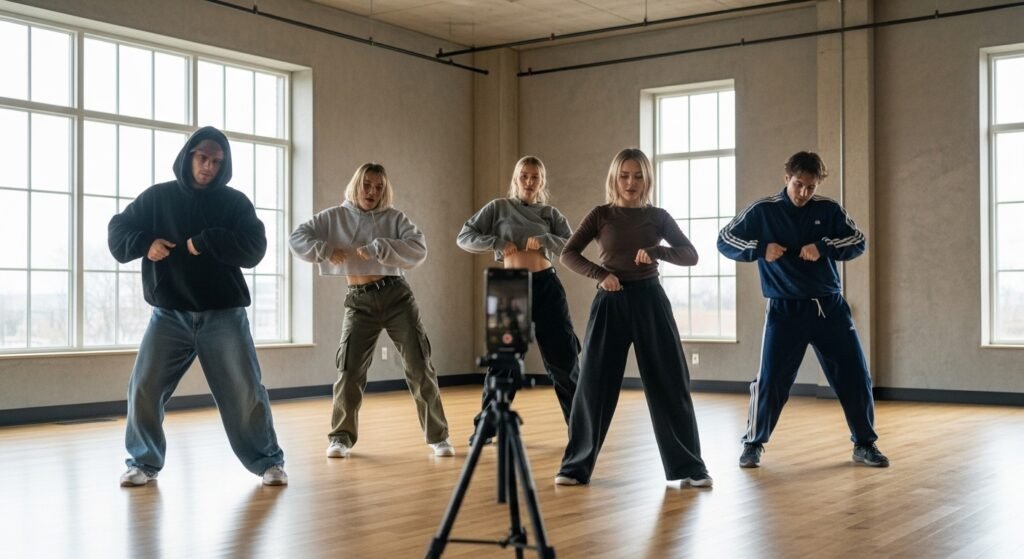
Nowhere is change clearer than on apps such as TikTok or Instagram – where dance travels unlike before. Because of quick clips, fresh moves shoot into view fast, linking sound and step while it happens.
Dance as Protest and Storytelling
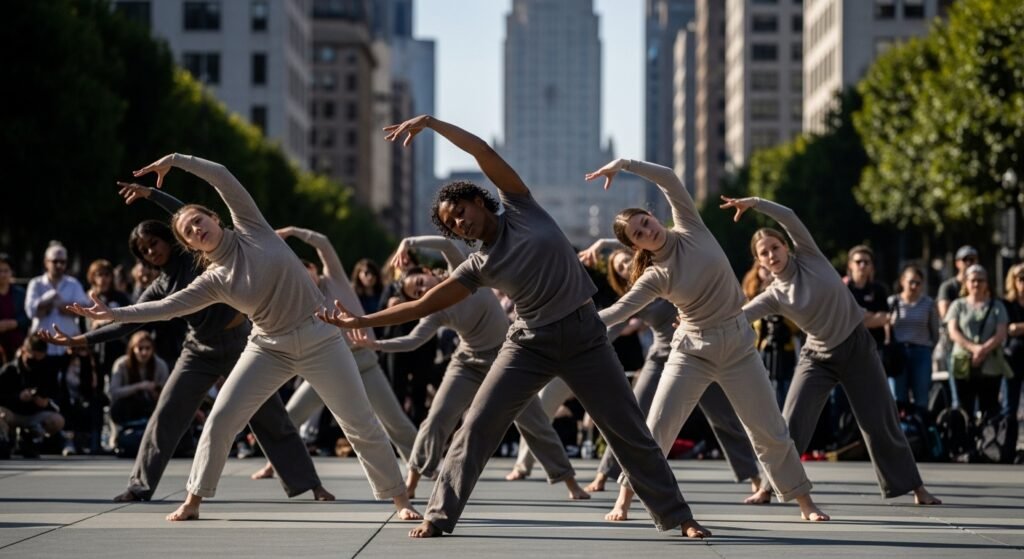
Movement speaks in quiet but powerful ways. Whether someone dances on a corner or in front of lights, their body tells stories shaped by society’s echoes. Expression flows through gesture, carrying meaning across spaces.
The fusion keeps changing
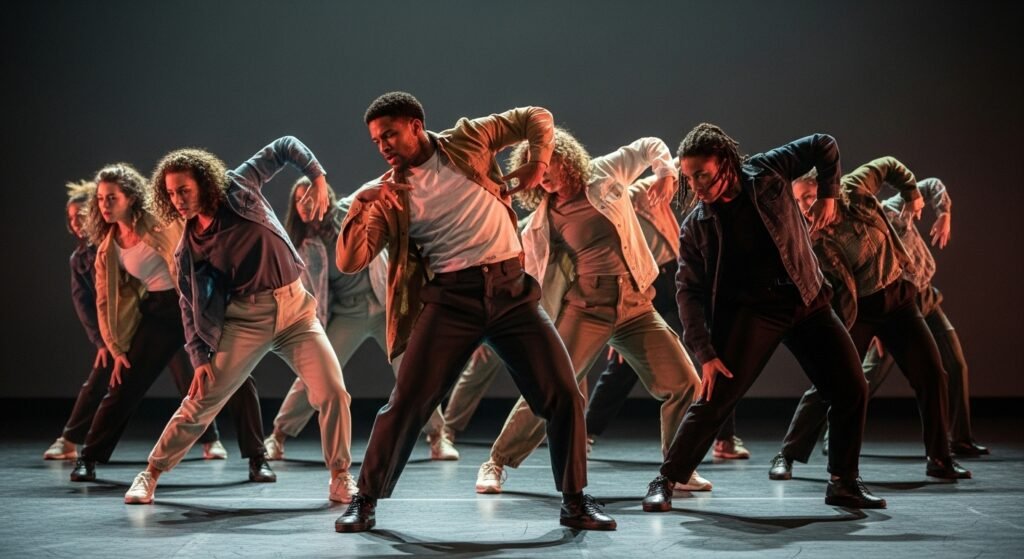
Right now, dancers pull from many styles, mixing movements and music. Change never stops because different voices shape the energy of American culture.
