
Falling out of touch with what you truly need does not come fast. It grows slowly, built up through decades of prioritizing everyone else, handling nonstop pressure, or just getting by day after day. With enough time, that gap might deepen – bringing exhaustion, flat emotions, or an ongoing feeling that something is missing. Signs like these show when your own needs might be slipping away.
You Say Yes When You Want to Say No

Even when tired or uneasy, you still go along with what’s planned, expected, or asked. Your thoughts move toward not letting people down rather than listening to your body’s signals – so things unfold whether good or harmful for you.
You struggle to put feelings into words

A question about your day might leave you staring blankly. Instead of answering fully, you might just shrug or say everything’s fine. It’s possible you hardly ever stop to feel what’s inside – so little space for real insight.
You notice others’ needs before your own

What others feel, you catch right away – needs, wishes, expectations. But your own fatigue, empty stomach, or strain? They slip past without notice. With practice, looking after yourself might seem odd, even wrong by quiet standards.
You Feel Guilty for Resting

A break seems like something you don’t earn, yet somehow owe. Though fatigue weighs on your body, thoughts push forward anyway. That idea holds power over stillness, so pausing feels strange, even out of place.
You Ignore Physical Signals

Headaches press against your mind while tension holds parts of you still. Hunger pangs echo under empty stomachs, yet fatigue drags at every step. Each signal rises from within – a quiet request for attention. Over time, those warnings were treated like background noise, ignored so life could continue as if nothing was wrong.
You Make Decisions Based on Expectations
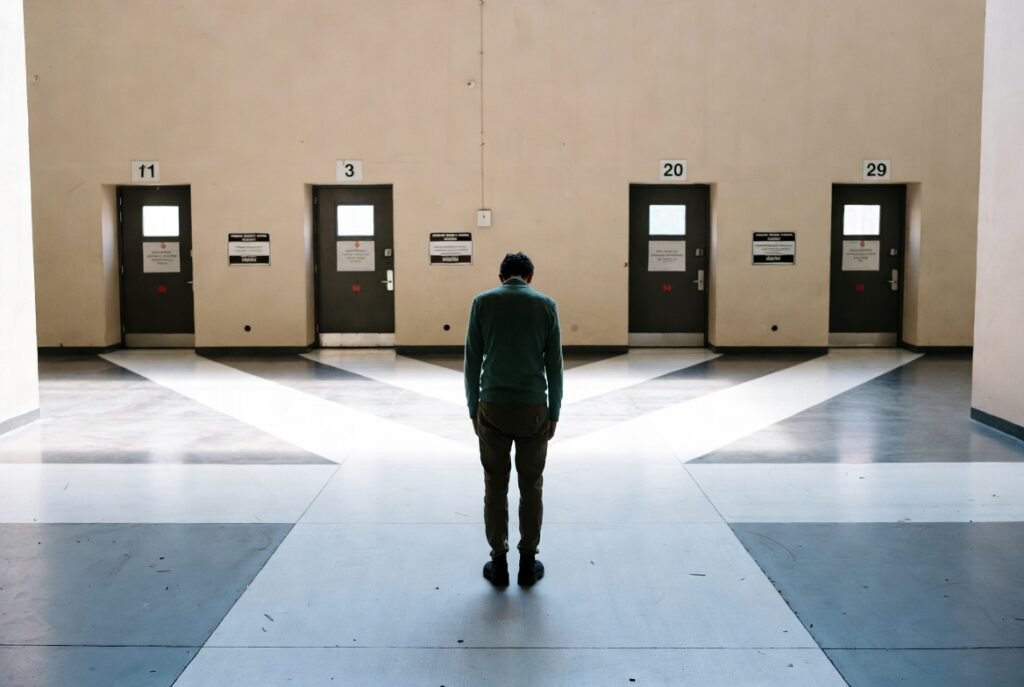
Expectations pile up before you notice. Slowly, your own wants begin to vanish like fog at dawn. Decisions start sounding less like answers, more like echoes.
You Feel Numb or Disconnected

What usually shows on the outside is a kind of empty space. Inside, things have shifted so that feeling becomes harder to reach. Stress tends to push people here, not right away but slowly, like a guardrail keeping experience out. From a deeper place, connection to one’s self grows thin.
You Avoid Being Alone With Your Thoughts

Quiet makes some people restless, which keeps them moving without pause. Staying occupied blocks what could emerge when the mind has room to look inward. Always something happening, never still – that fills the gaps before they speak.
You Feel Responsible for Everyone’s Emotions

Folks rely on you to hold things together – keeping mood steady, reactions in check. While shaping how others feel, what you feel slips further out sight.
You Do Not Know What You Want Anymore

What do you want, really? That question might stumble you – names, roles, even memories feel distant now. It’s possible your own truth got buried under years of silence. Suddenly, it’s hard to name what matters most.
