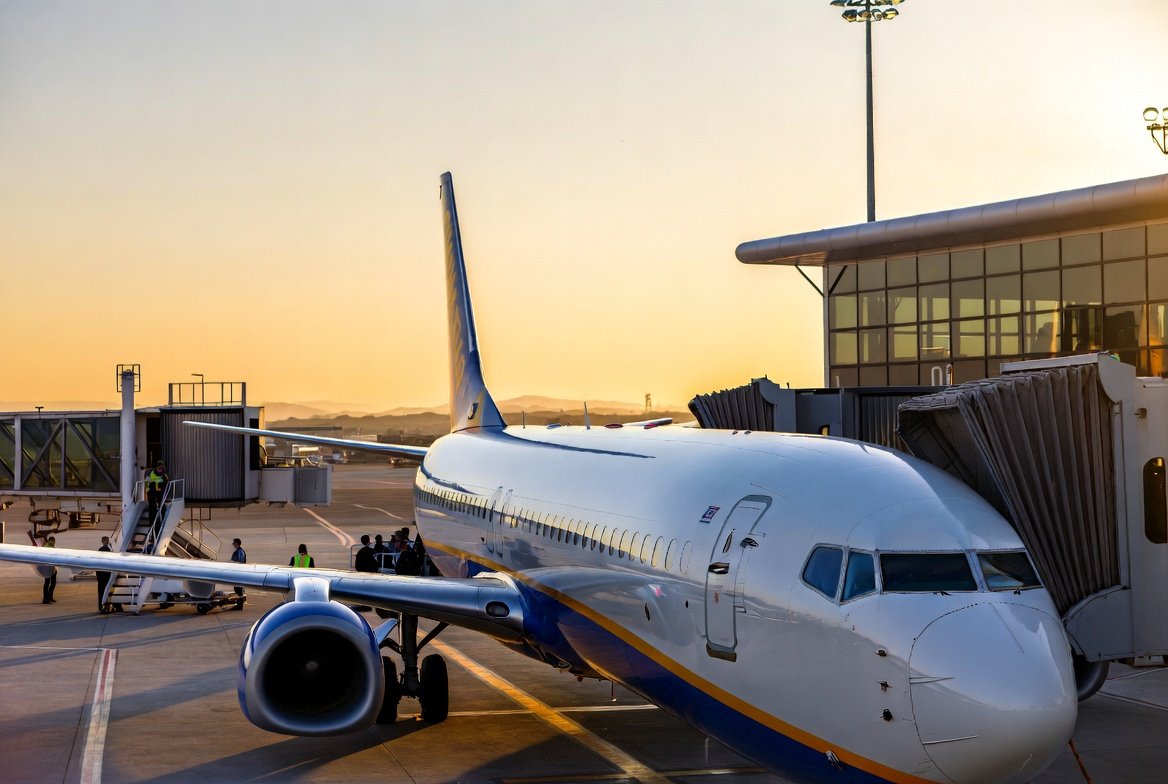
Change gushes through Southwest Airlines as it steps into 2026 unlike any prior year. For fifty-five years, the company stood firm – refusing seat assignments, extra baggage charges, fee-for-changes, even standard industry practices. Now, here they are embracing what once felt foreign. Saying yes to shifts long ignored, the airline moves forward shaped by need. Revenue growth demands attention. Standing apart means meeting rivals on their terms. The journey evolves – not by choice alone, but through pressure baked into every flight path ahead.
Assigned Seats (The End of Open Seating)
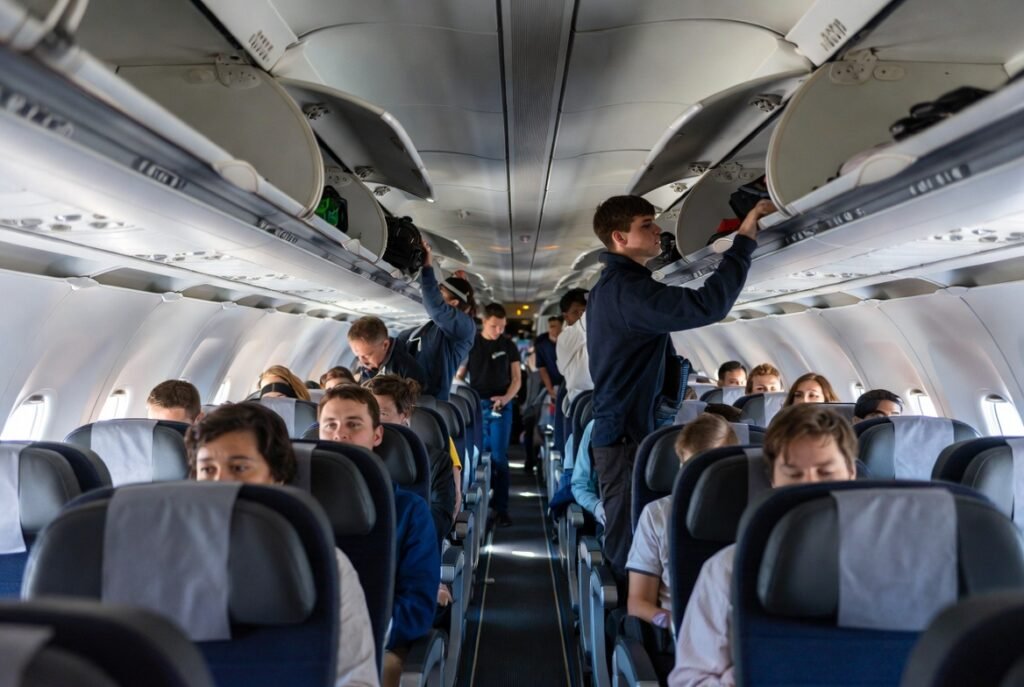
Starting 2026, Southwest begins using set seats. Seats can now be picked when reserving or checking in, according to the carrier. Signs point to three levels: Standard (most seats), Preferred (better locations) and Premium (extra legroom / better positions)
First-Ever Basic Economy Fare
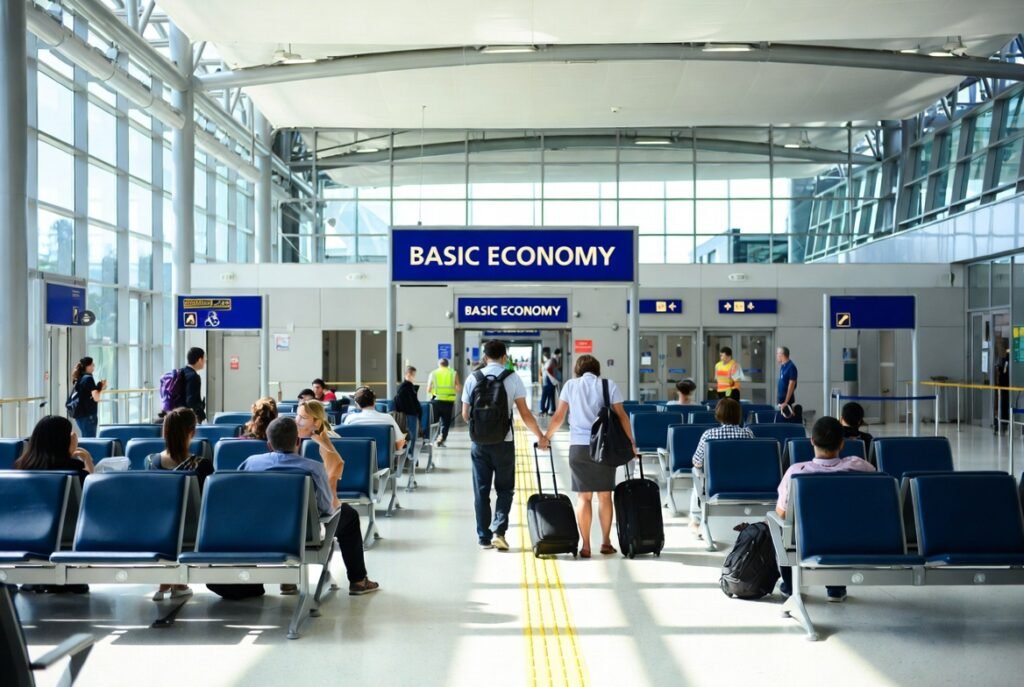
Southwest Airlines introduces its new “Basic” pricing tier, providing a distinct approach to air travel. This option comes with some notable features: Changes require approval, cancellations aren’t freely permitted, passengers will board last, complimentary checked bags are eliminated, and seating will be limited to areas towards the back of the aircraft.
Checked Bag Fees for Most Fares
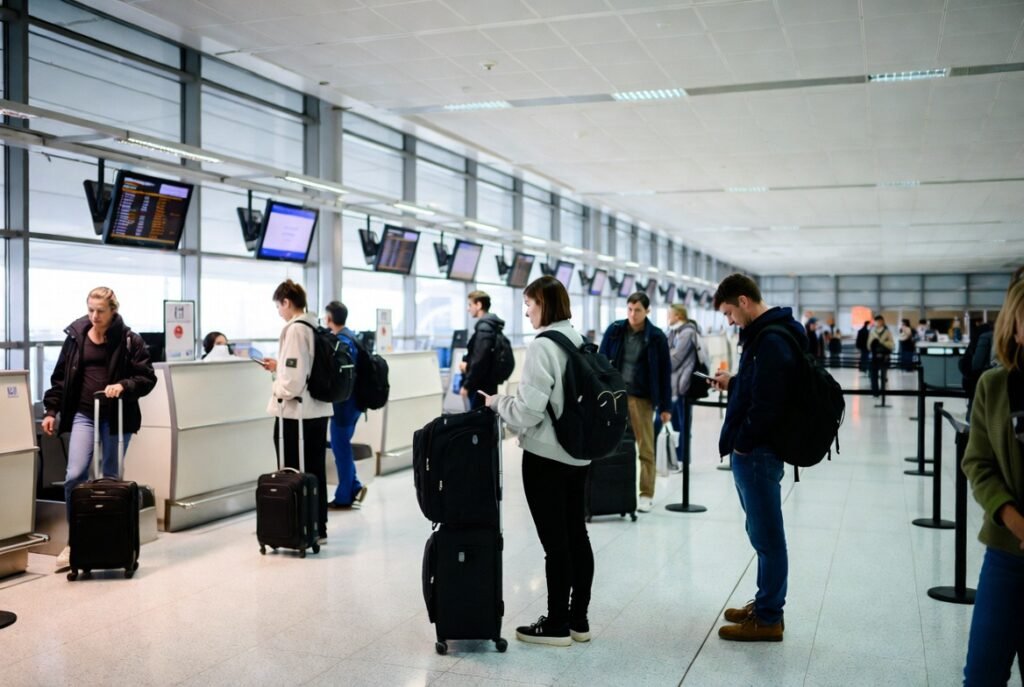
That well-known rule about two bags flying at no cost? It’s vanishing for all but a few travelers now. Come 2026, only specific ticket levels or rewards subscribers – possibly A-List Preferred and beyond – might still keep that benefit. Basic options likely come without any extra luggage allowed. Standard choices may still grab one free slot, though not both like before.
Change and Cancellation Fees on Cheaper Fares
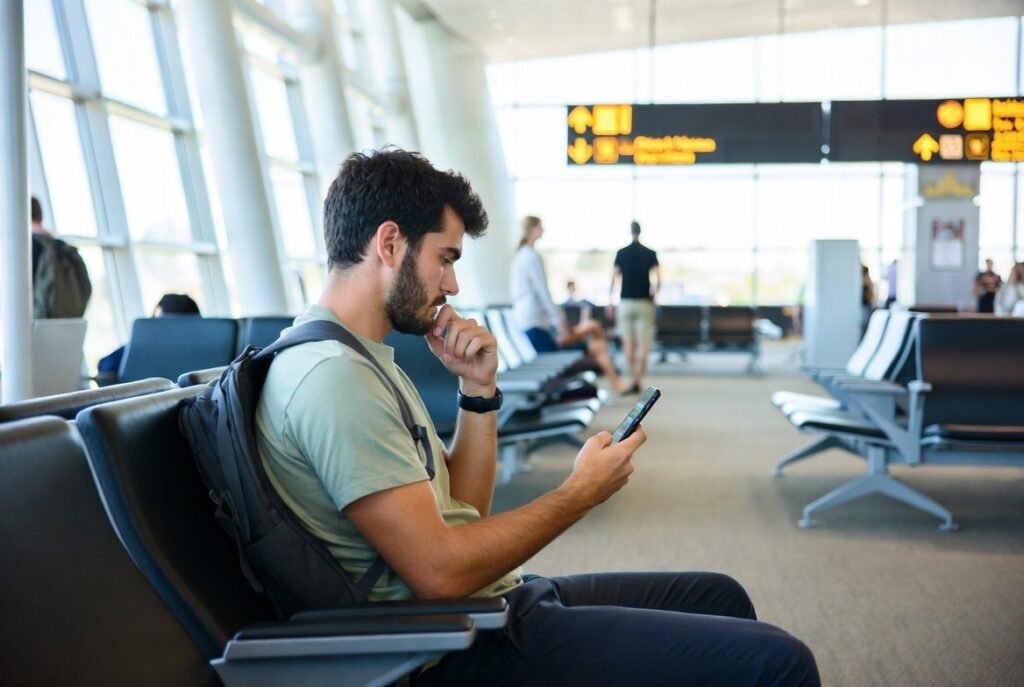
Starting now, Southwest is adjusting how it handles flight changes. Instead of offering free cancellations on every ticket, basic fares might come with extra costs if plans shift. Lower-priced options may follow similar fee rules seen elsewhere in the industry. On the flip side, passengers who spend more or hold status with the airline could still walk away without penalty.
Redesigned Boarding Process
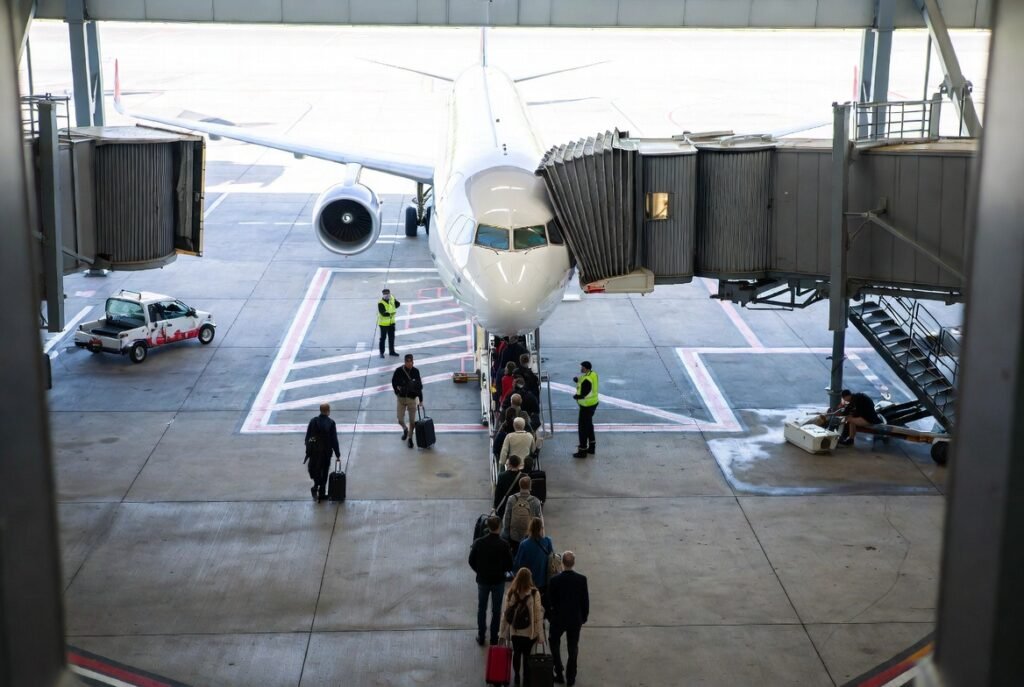
New seating means a fresh way to board the plane. Most likely, Southwest shifts toward classic zone-style entry, influenced by ticket cost, seat layout, and rewards rank. Say goodbye to the familiar “A, B, C” lineup with assigned spots.
Loyalty Program Overhaul
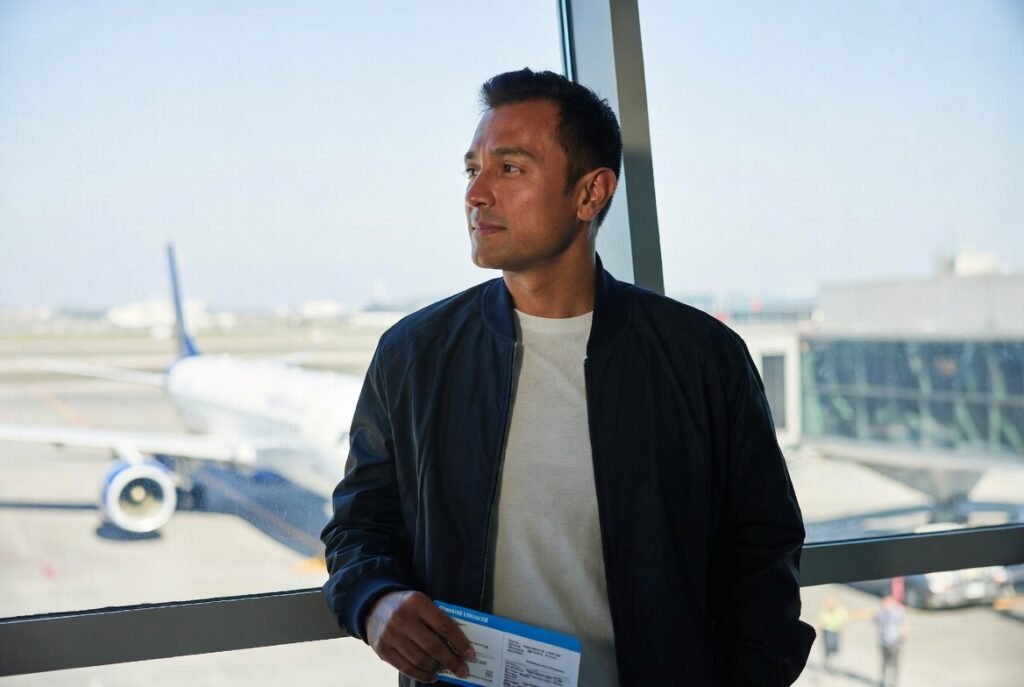
Change seems likely at Southwest as it moves slowly away from relying only on point values toward a system shaped more by money spent. Instead of earning rewards just by flying certain routes, travelers might find access tied directly to how much they pay for those trips. Benefits once given at every level may now show up only when enough dollars back a passenger. W.
Increased Focus on Revenue and Ancillary Income
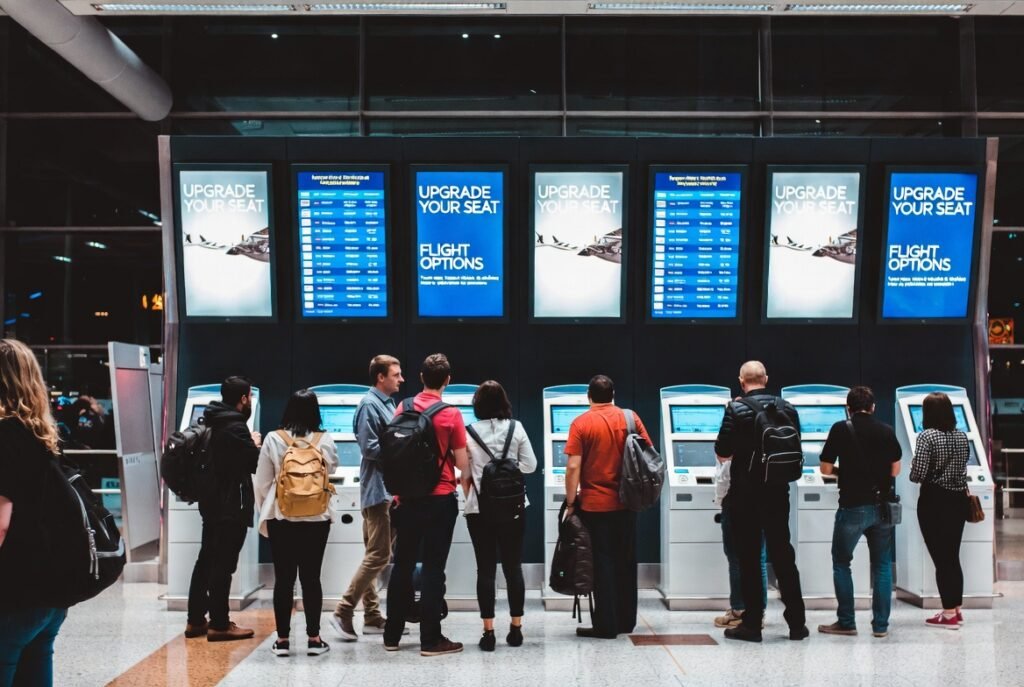
Southwest’s new strategies aim to increase earnings from travelers by charging for seat selection, upgraded seating, and handling lost bags, along with penalties for flight changes. Leadership claims these measures are necessary to stay competitive and improve service, aircraft, and destinations.
Bottom Line for Southwest Flyers in 2026
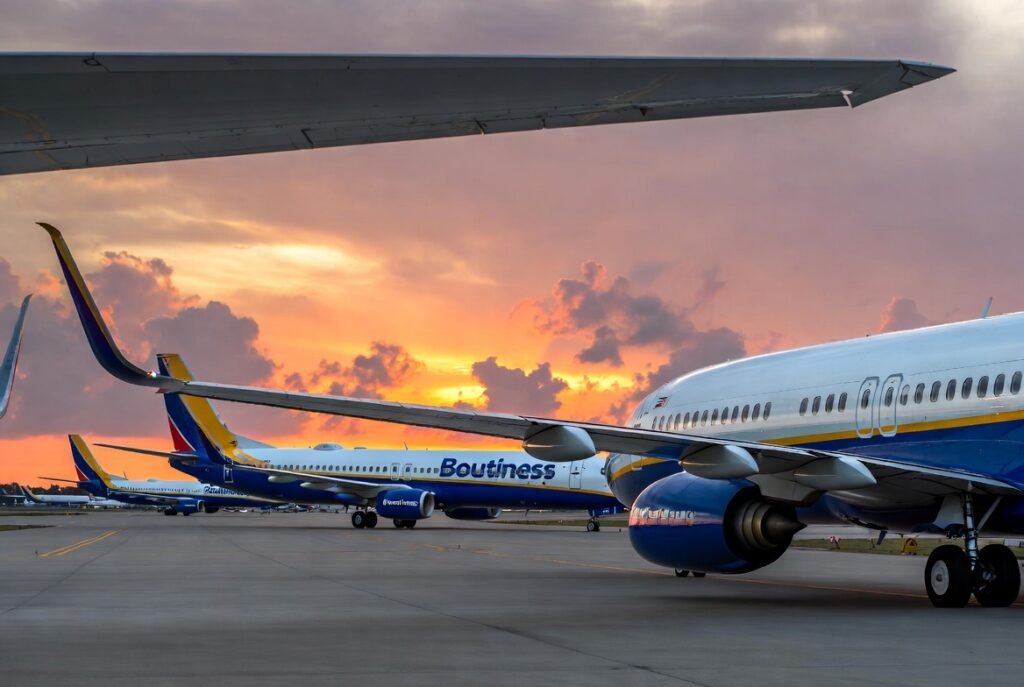
Nowhere else started like this one, shaping identity by standing apart. Soon, though, it mirrors those around it. Checked luggage? Not free anymore. Seats fill by order, not first come. Changing flights without penalty – that era fades. Old fans may feel let down. Still, behind the move sits a strategy aiming at stability and drawing travelers drawn to upgraded experiences.
