Travel options for U.S. citizens have changed recently. In 2025 and 2026, new visa policies, travel bans, and security warnings have restricted access to previously easy destinations, requiring early approvals that can be denied without explanation. Others simply block certain visitors entirely or turn people away at an unusually high pace. A small number grew nearly unreachable because safety concerns grew stronger, diplomatic tensions flared up, or paperwork-heavy systems slowed everything too much. Last year alone, ten destinations made it harder for American travelers to enter. Some rules changed fast. One example stands out where visas now take months instead of weeks. Since then, interest in certain regions has dipped sharply among visitors from the U.S.
Russia
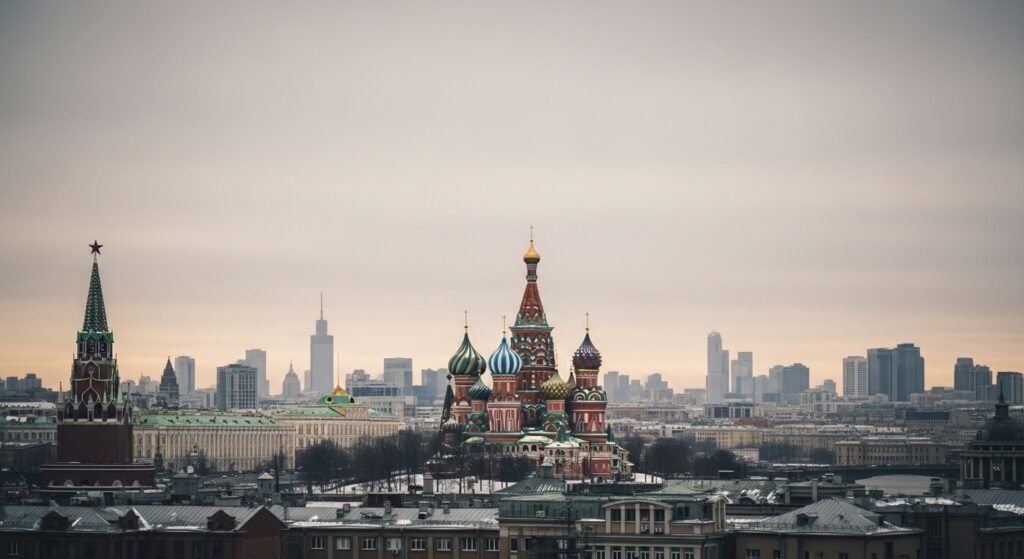
Today, people need to go through specific Russian consulates located far away – sometimes even in other nations. Chances are good those requests get turned down without explanation. Nowhere finds a direct route anymore. The U.S. State Department still labels it Level 4 – stay away completely.
Iran
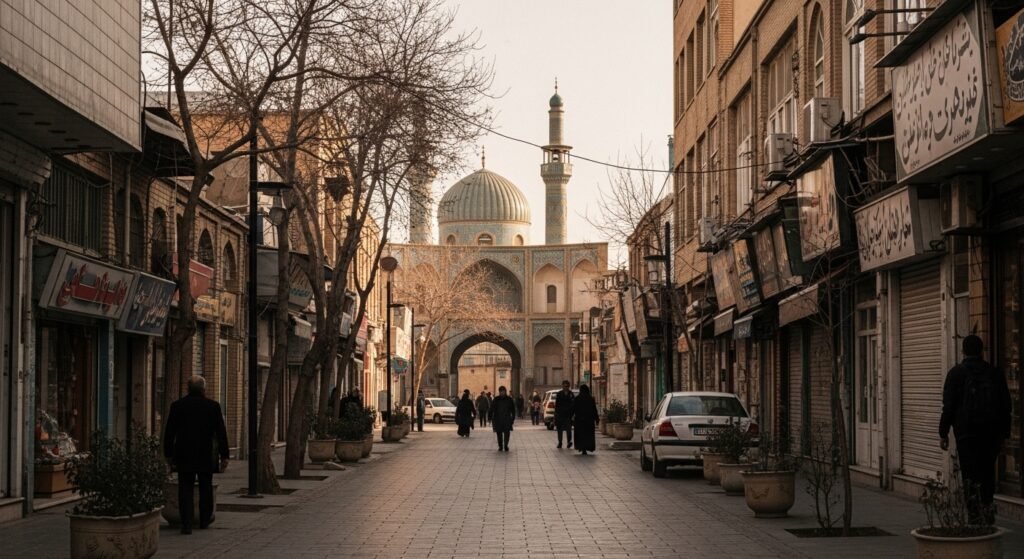
A U.S. traveler can apply for a special visa with a local guide, but it involves long wait times, high fees, and often no responses. Approval depends on vague rules and distant decisions without personal interaction. Iran lacks official ambassadors who exchange letters or meet in secret sessions.
North Korea (Democratic People’s Republic of Korea)
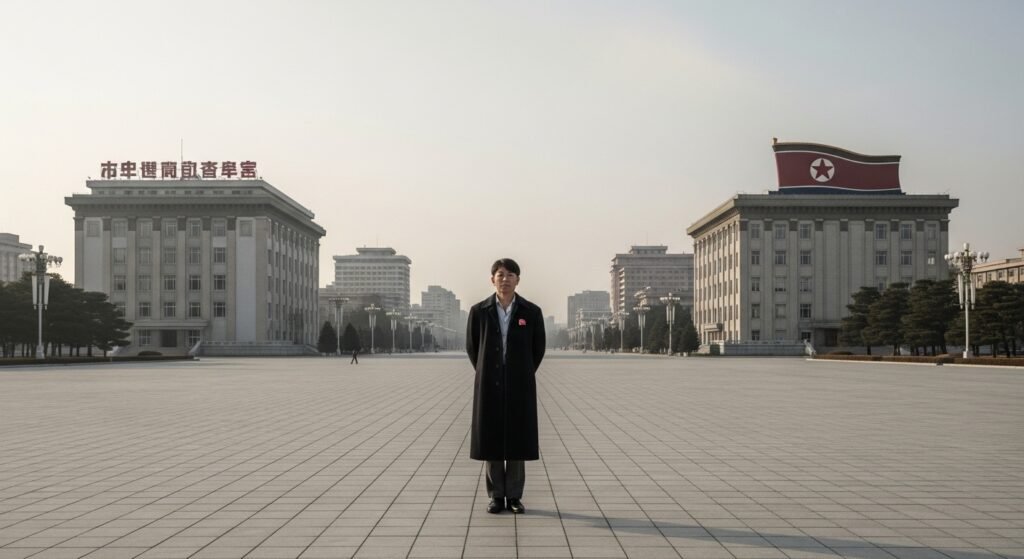
Travel to North Korea for American citizens is restricted due to a government ban from 2017, still in place by 2026. Following Otto Warmbier’s passing helped spark this policy; any change now seems unlikely. Though some applications get reviewed closely, exceptions almost never happen.
Cuba
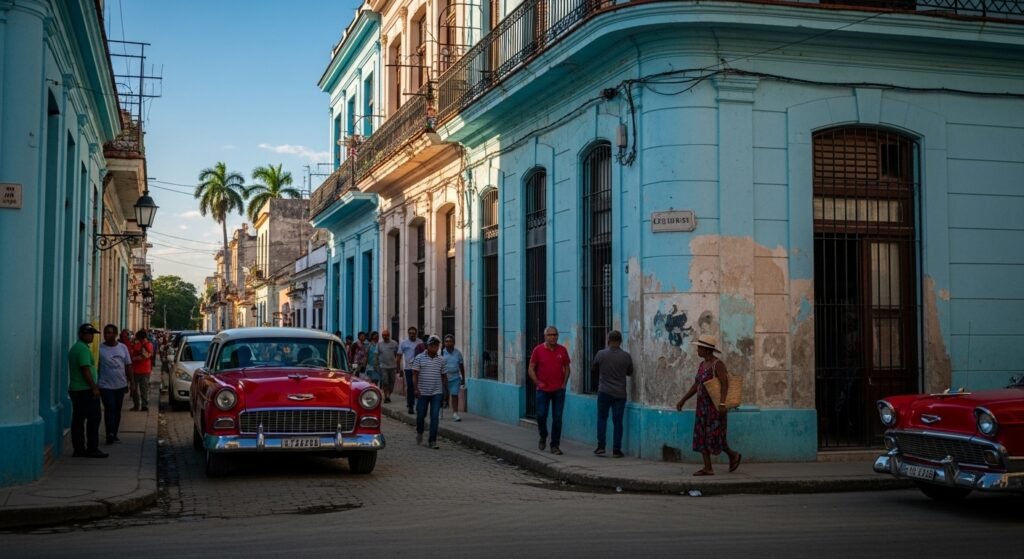
Though interest in Cuba grows, visiting just to sightsee is still blocked by America’s trade ban. To go there at all, U.S. travelers need to fit into exactly one of twelve allowed reasons – like helping locals or reporting news – and carry proof of their purpose. Even though some cruise vessels can now sail, people-focused trips by sea remain off-limits.
Venezuela
Many U.S. citizens run into trouble getting visas approved, often stuck waiting weeks or even months. Sometimes, Venezuela simply stops processing standard visas for them – extra paperwork becomes necessary. The U.S. Department of State warns against travel due to high crime rates, public disturbances, and arbitrary detentions.
Afghanistan
Once the 2021 Taliban takeover happened, the U.S. Embassy shut down – regular visa processing stopped completely. Travel warnings now apply at the highest level; Afghanistan falls under a strong “Do Not Travel” alert. Special cases like humanitarian or reporting missions still face tangled approval paths, yet those chances for American visitors remain slim to none.
Syria
Without American diplomats in Syria, getting help there is out of reach. Applying for a visa often ends without success, as few are approved. Travel warnings stay strong – Level 4 – advising against all visits because danger still runs high from violence, armed groups, and abductions. Finding a way in isn’t easy for American travelers right now – 2026 makes it tough.
Yemen
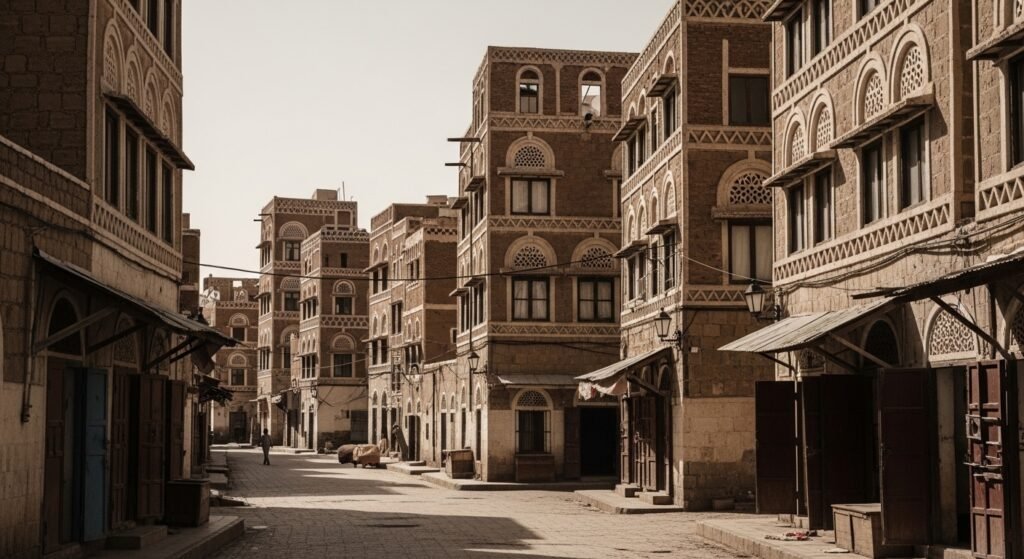
A never-ending conflict plus Houthis in power block access to Yemen entirely. Services like those at a U.S. Embassy are nowhere to be found there. For Americans, getting a visa hardly happens at all. The State Department ranks Yemen as “Do Not Travel” due to serious concerns, including kidnapping.
Belarus
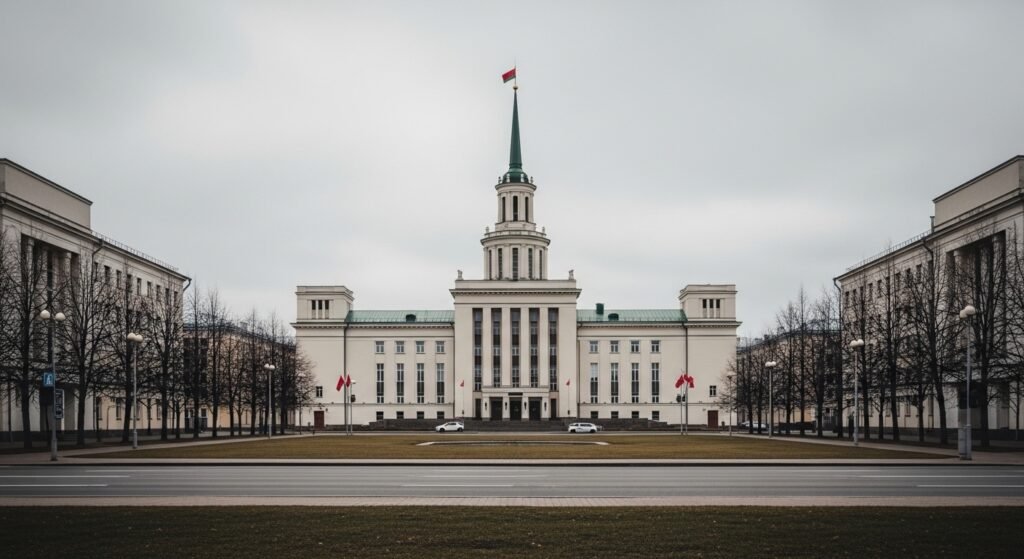
Long waits for visas plague American travelers. Rejected applications show up too often, and requirements feel harsh. No direct flights exist in most cases; travel takes time. Services at the Minsk embassy are minimal, and access is slow. The government in charge operates with total control, making arrests happen without fair reason. Being there might lead to being held – that danger stands clear.
Libya
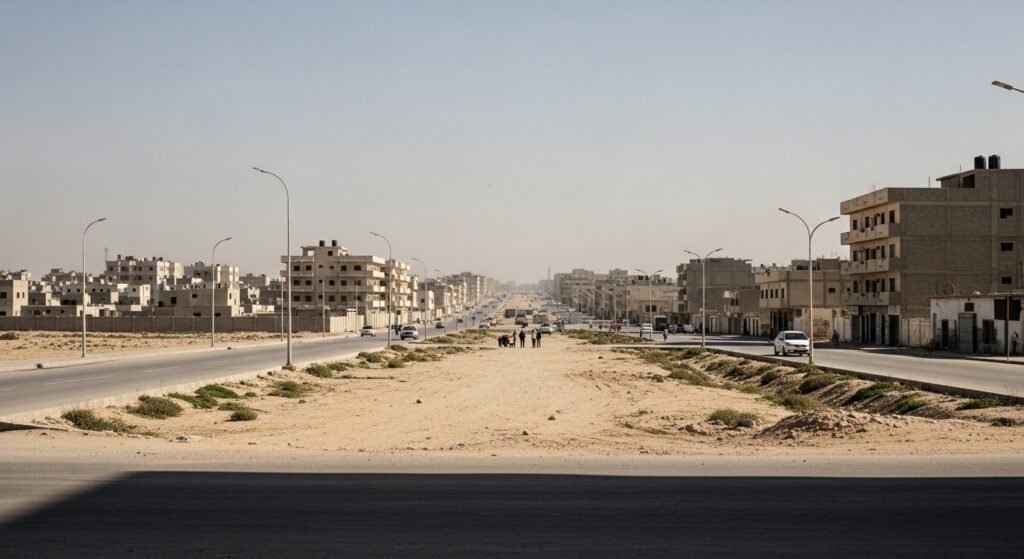
Travel to Libya is strongly discouraged under Level 4 restrictions. There is no American embassy operating there now. Obtaining a visa has become extremely challenging lately. Rejection rates for visa requests are overwhelmingly high. Access for citizens of the United States has shrunk sharply because of these conditions.
